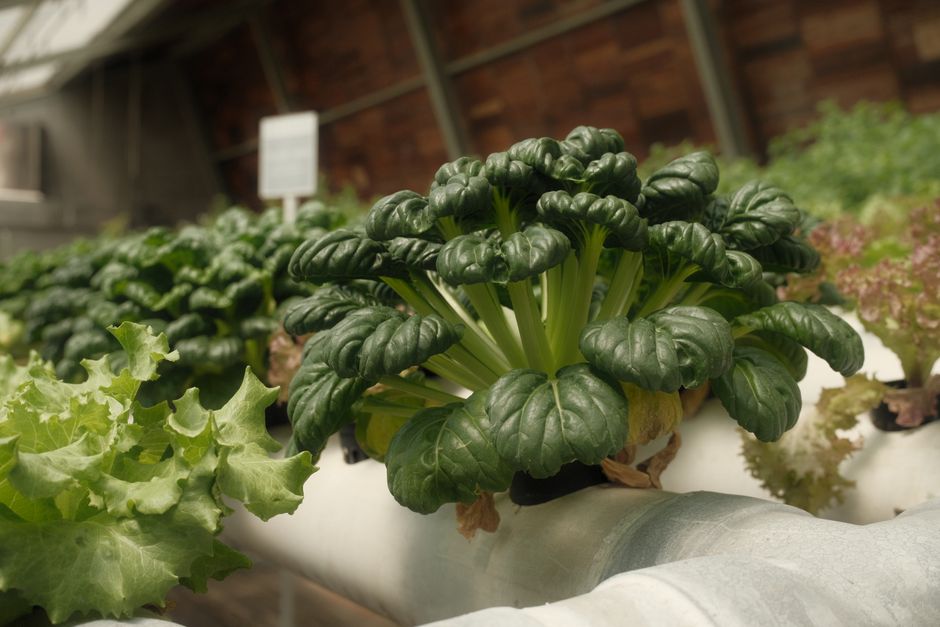
Set Up Your Basic Hydroponic System: A Beginner's Guide
Starting an indoor garden can feel like a big step, but a basic hydroponic system setup makes it surprisingly simple. Hydroponics is a method of growing plants without soil, using nutrient-rich water instead. For home growers, this means faster growth, less mess, and often, more efficient use of water compared to traditional gardening. If you're looking to dive into the world of soil-free growing, setting up your own system is the perfect place to begin.
What is a Basic Hydroponic System?
A basic hydroponic system typically refers to a Deep Water Culture, or DWC, setup, which is one of the simplest and most popular active systems for beginners. In a DWC system, plant roots are suspended directly into a reservoir of nutrient-rich water. An air pump and air stone continuously oxygenate this solution, providing the roots with the air they need to thrive.
This method allows plants to absorb water and nutrients efficiently, leading to rapid growth. Since there is no soil, you avoid common issues like soil-borne pests and diseases. DWC setups are straightforward to assemble and maintain, making them an excellent choice for anyone new to hydroponics.
What Supplies Do You Need to Set Up Hydroponics?
To set up a functional and healthy basic hydroponic system, you will need a few key supplies. Gathering these items before you start will make the assembly process much smoother.
- Reservoir: A light-proof container, often a food-grade plastic tote, to hold your nutrient solution. It should be opaque to prevent algae growth.
- Net Pots: Small plastic baskets that hold your plants and allow their roots to extend into the nutrient solution.
- Growing Medium: An inert material like rockwool, coco coir, or clay pebbles to support your plants in the net pots.
- Air Pump: Provides oxygen to the nutrient solution.
- Air Stone: Connects to the air pump via tubing and disperses air bubbles into the solution.
- Air Tubing: Connects the air pump to the air stone.
- Hydroponic Nutrients: Specially formulated liquid or powdered nutrients designed for soil-free growing.
- pH Testing Kit: Helps you monitor and adjust the acidity or alkalinity of your nutrient solution.
- pH Up/Down Solutions: Used to fine-tune your solution's pH.
- Plant Starts or Seeds: Your chosen plants to grow.
For a more detailed look at what to buy, check out our guide on Essential Hydroponic Supplies for Beginners.
How Do You Assemble a Simple Hydroponic System?
Assembling a simple hydroponic system, especially a DWC setup, is a series of straightforward steps. You can often get everything ready in an afternoon.
First, make sure your reservoir is clean. If you are using a new container, a quick rinse with warm, soapy water followed by a thorough rinse with plain water is usually enough. For repurposed containers, a dilute bleach solution followed by multiple rinses will sterilize it.
Next, prepare the reservoir lid. If your lid does not have pre-drilled holes for net pots, you will need to create them. Use a hole saw slightly smaller than the rim of your net pots to make evenly spaced holes. For example, if you have 3-inch net pots, a 2.75-inch hole saw usually works well.
Now, set up your aeration system. Connect one end of the air tubing to the air pump and the other end to the air stone. Place the air stone inside the reservoir, ensuring it rests at the bottom. The air pump should sit outside the reservoir, on a surface above the water level if possible, to prevent water from siphoning into it. Always keep electrical timers and pumps away from water spills to ensure safety.
Prepare your nutrient solution. Follow the instructions on your specific hydroponic nutrient bottle for the correct dosage. It is crucial to mix nutrients accurately for healthy plant growth. Fill your reservoir with this prepared nutrient solution, leaving an inch or two of space from the lid to prevent overflow.
Finally, measure and adjust the pH of your nutrient solution. Most plants thrive in a pH range of 5.5 to 6.5. Use your pH testing kit to get a reading, then add small amounts of pH Up or pH Down solution until you reach the ideal range. You can learn more about this process in our guide on Perfect Hydroponics pH.
How Do You Start Plants in Your Hydroponic System?
Starting plants in your hydroponic system can be done from seeds or from young seedlings. Both methods have their advantages for home growers.
Starting from Seeds
To start from seeds, you will typically germinate them in a sterile, inert medium like rockwool cubes, coco coir plugs, or specialized seedling sponges. Moisten the medium thoroughly and place one or two seeds in each cube. Keep the cubes warm and moist until the seeds sprout and develop their first set of true leaves.
Once the roots begin to emerge from the bottom of the rockwool cube or plug, you can carefully place the entire cube into a net pot. Fill any remaining space in the net pot with clay pebbles or another inert growing medium to provide stability for the seedling.
Starting from Seedlings
If you are using young seedlings, you will need to prepare them for the hydroponic system. Gently remove the seedling from its original growing medium. If it was grown in soil, carefully rinse the roots under cool water to remove as much soil as possible. This step is important to prevent soil-borne diseases and keep your nutrient solution clean.
Place the seedling into a net pot, allowing its roots to pass through the bottom of the pot. Fill the net pot with your chosen inert growing medium to support the plant. Ensure that the roots are long enough to reach and sit directly in the nutrient solution in the reservoir. This direct contact is vital for the plant to absorb water and nutrients.
How Do You Maintain Your Basic Hydroponic Setup?
Maintaining your basic hydroponic setup involves a few routine tasks to ensure your plants stay healthy and productive. Consistent care will lead to the best harvests.
Check the water level in your reservoir daily. As plants drink, the level will drop. Top off with fresh water, or if you are nearing your nutrient change cycle, you can use a diluted nutrient solution. This prevents the roots from drying out and helps stabilize nutrient concentrations.
Completely change your nutrient solution every one to two weeks. This prevents nutrient imbalances and the buildup of harmful salts. When you change the solution, it's also a good time to briefly clean your reservoir and air stone to prevent algae or bacterial growth. For more guidance on this, see our guide on How to Mix Hydroponic Nutrients for Beginners.
Monitor your pH levels every few days and adjust as needed. Plants absorb nutrients best within a specific pH range, so keeping it stable is important for their health. Also, keep an eye on your plants for any signs of stress, such as yellowing leaves or stunted growth, which might indicate a nutrient deficiency or other issue.
Inspect your plant roots regularly. Healthy hydroponic roots are typically white or off-white and look clean. Any discoloration or slime could indicate a problem that needs addressing. Don't forget to wash any microgreens or herbs before eating them.
Final Thoughts
Setting up a basic hydroponic system is an accessible and rewarding way to bring fresh produce into your home. With a little preparation and consistent care, your indoor garden will thrive, providing you with fresh herbs and vegetables year-round. This straightforward basic hydroponic system setup truly opens up the world of soil-free gardening. Explore more MicroVeg guides for additional tips and tricks to keep your plants happy!
Frequently Asked Questions
Can I use tap water in my hydroponic system?
Yes, but it's best to let it sit for 24 hours to allow chlorine to dissipate, and always check its pH before adding nutrients.
How often should I check my hydroponic system's pH?
You should check your system's pH every day or every other day, as it can fluctuate and impact nutrient absorption.
What are the easiest plants for a beginner hydroponic system?
Leafy greens like lettuce, spinach, and herbs such as basil and mint are excellent choices for beginners due to their fast growth and simple needs.
Do I need a grow light for a basic hydroponic system?
Yes, unless your system is placed in a very sunny window with at least 12-16 hours of direct light, a dedicated grow light is essential for healthy plant growth indoors.
Explore More Hydroponics Guides
 Hydroponics
Kratky vs Deep Water Culture: Which Hydroponic System is Right?
Choosing between Kratky and Deep Water Culture (DWC) hydroponics depends on your space, budget, and how hands-on you want to be.
 Hydroponics
How Often Should You Change Hydroponic Water?
Regularly refreshing your hydroponic nutrient reservoir is crucial for plant health, preventing imbalances, algae, and root diseases.
 Hydroponics
Essential Hydroponic Supplies for Beginners
Starting your own indoor hydroponic garden is easier than you think when you know which essential supplies you need to get started.