Smart Indoor Gardening, Made Effortless.
Discover soil-free growing, smart LED setups, and fresh microgreens for your balcony or desk.

Learn & Grow
Fresh from MicroVeg
Soil-Free Tech
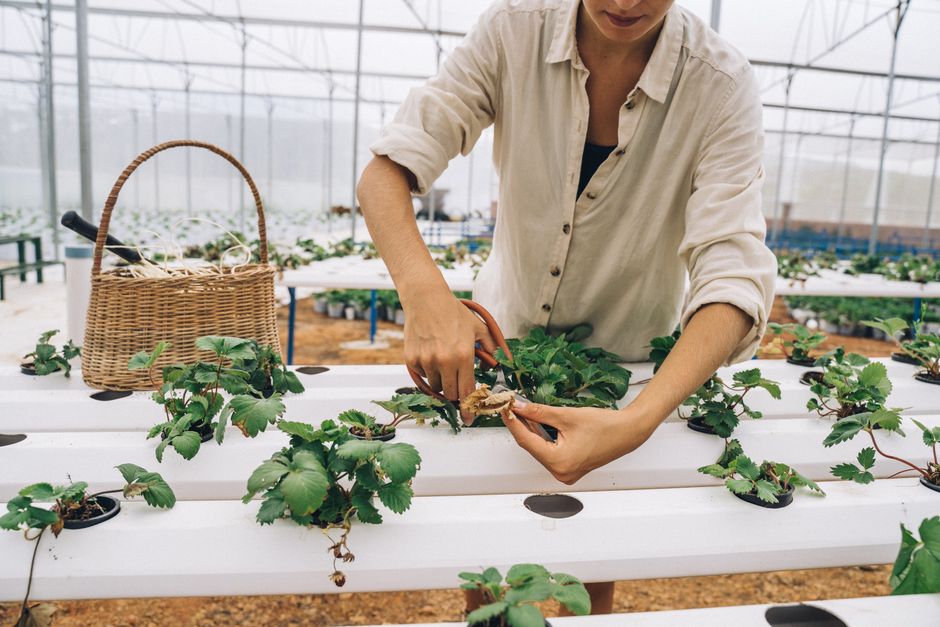
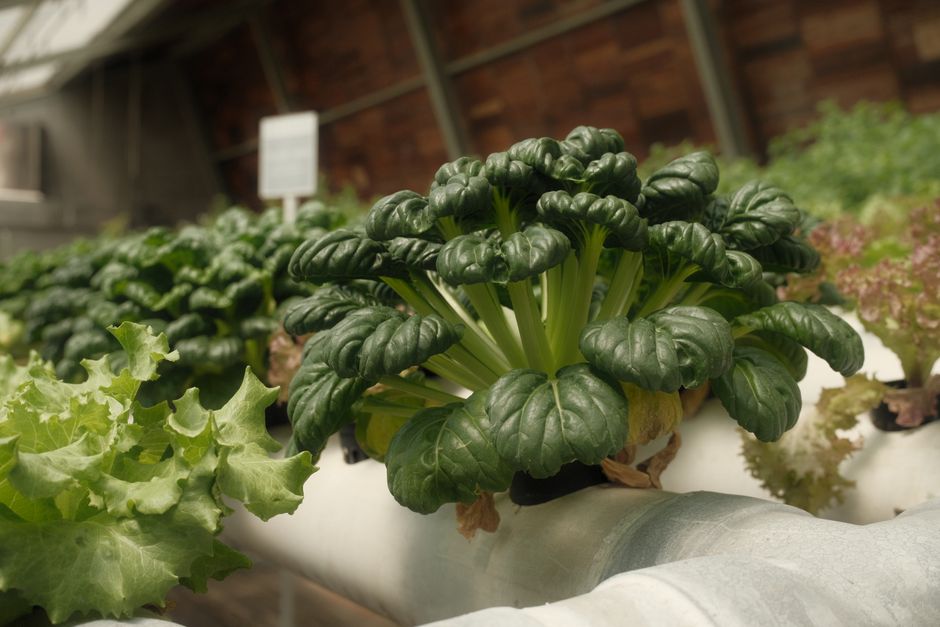
Grow herbs and greens in nutrient-rich water. No soil, no mess, and roots get exactly what they need.
Automated Light & Water
Smart timers handle daily light cycles and watering, so plants keep growing even when you forget.
Pesticide Free
A clean indoor environment means fresh harvests without sprays, straight from your counter to your plate.
Top Systems
Gear that makes growing simple
Systems and setups we recommend for beginners and small spaces. We may earn a commission if you buy through these links.

Smart Herb Garden Kit
A countertop system with built-in LED lighting that grows basil, mint and lettuce year-round.
Check Price
Microgreens Starter Tray
Shallow grow trays and seed mats that turn a windowsill into a fresh microgreens supply in 10 days.
Check Price
Full-Spectrum LED Grow Light
Adjustable full-spectrum panels that keep seedlings compact and healthy in any dark corner.
Check PriceFAQ
Common questions
What are microgreens?
Microgreens are the seedlings of vegetables and herbs, harvested one to three weeks after germination when the first true leaves appear. They carry a more concentrated flavour than the mature plant, which is why a small tray goes a long way in cooking.
Can I grow microgreens without sunlight?
Yes. An ordinary LED grow light running twelve to sixteen hours a day is enough, and many growers get good results on a bright windowsill alone. Consistency of light matters more than intensity at this scale.
What is hydroponics in simple terms?
Growing plants in nutrient-enriched water instead of soil. The roots sit in or above the solution, the nutrients are delivered directly, and the grower controls exactly what the plant receives, which is why hydroponic setups suit small indoor spaces.
How often should microgreens be watered?
Mist once or twice a day, or bottom-water every day or two so the medium stays damp rather than wet. Overwatering is the most common failure, because standing moisture invites mould in a tray that dense.
Why did mould appear in my tray, and is the crop ruined?
Dense seeding, poor airflow and overwatering are the usual causes. White fuzz near the roots is often just root hairs; grey or slimy patches are mould. Improve airflow and cut watering for the former, and discard the affected area for the latter.