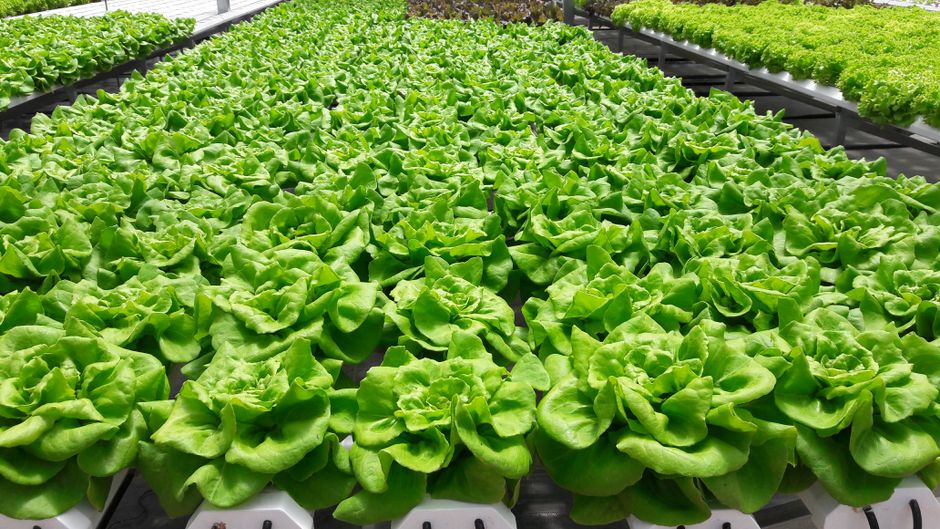
Essential Hydroponic Supplies for Beginners
Dreaming of fresh, homegrown produce right in your kitchen, no soil required? Indoor hydroponics makes it possible. Hydroponics is a method of growing plants without soil, using nutrient-rich water solutions instead. It's a fantastic way for home growers to cultivate herbs, leafy greens, and even some fruits in small spaces. To kickstart your journey, understanding the essential hydroponic supplies for beginners is key. This guide will walk you through everything you need for a successful and satisfying first indoor hydroponic garden.
What exactly do you need to start hydroponics at home?
To start hydroponics at home, you will primarily need a hydroponic system, a nutrient solution, a growing medium, quality seeds or seedlings, and a reliable light source if you are growing indoors. These fundamental components work together to provide your plants with everything they need to thrive without soil.
Many people assume hydroponics is complicated or expensive, but it does not have to be. For beginners, the focus should be on simplicity and reliability. You can start with very basic setups and gradually expand as you gain confidence and experience. The right essential hydroponic equipment makes all the difference in your early success.
What are the core components of a beginner hydroponic setup?
The foundation of any beginner hydroponic setup involves a reservoir for nutrient water, a method to hold your plants, and often a way to deliver water or oxygen to their roots. These pieces form the structural basis of your growing environment.
Hydroponic System Options
There are several types of hydroponic systems, but some are much better for beginners due to their simplicity and lower cost.
- Kratky Method: This is arguably the simplest system, requiring no pumps or electricity. Plants sit in net pots with their roots dangling into a stagnant nutrient solution. As the plant drinks, the water level drops, creating an air gap for roots. It is perfect for leafy greens and herbs.
- Deep Water Culture (DWC): Similar to Kratky, DWC uses a reservoir with plants suspended in net pots. The key difference is an air pump and air stone that continuously oxygenate the nutrient solution. This active aeration boosts plant growth and health.
- Wick Systems: Another passive method, wick systems use a wick material to draw nutrient solution up from a reservoir to the growing medium around the plant roots. These are very simple to set up and maintain, often used for smaller plants.
For your first indoor garden, choose a system that fits your budget and space, and consider starting with a passive method like Kratky to learn the ropes.
Essential System Accessories
Once you choose your system type, you will need a few key accessories to make it functional.
- Reservoir: This is the container that holds your nutrient solution. It should be opaque to block light, preventing algae growth, and made of food-grade plastic. Common options include plastic totes, buckets, or specialized hydroponic reservoirs.
- Net Pots: These small plastic cups with mesh sides hold your plant and growing medium, allowing roots to grow down into the nutrient solution. They come in various sizes.
- Growing Medium: Unlike soil, hydroponic growing media are inert. They provide physical support for the plant and absorb moisture. Popular choices for beginners include rockwool cubes, coco coir, or clay pebbles (hydroton).
- Air Pump and Air Stone (for DWC): If you opt for DWC, an air pump and an air stone are vital to keep the nutrient solution oxygenated. Proper oxygenation prevents root rot and promotes vigorous growth. Always keep electrical timers and pumps safely away from water spills to prevent hazards.
Do you need specialized grow lights for hydroponics?
Yes, if you are growing indoors without sufficient natural light, specialized LED grow lights are usually essential for healthy hydroponic plant growth. Regular household lights do not provide the full spectrum or intensity plants need for photosynthesis, especially during vegetative growth and flowering.
LED grow lights are highly efficient and come in various sizes and spectrums. For beginners, a full-spectrum LED light is an excellent choice as it mimics natural sunlight and supports all stages of plant growth. Look for lights designed for small-space indoor gardening. Many come with built-in timers or are compatible with external timers, making it easy to set consistent light cycles for your plants.
To learn more about selecting the right light, check out our guide on What to Look For in LED Grow Lights: Your Beginner's Guide.
How important are nutrients and pH control in hydroponics?
Hydroponic nutrients and maintaining the correct pH level are critically important because they provide all the essential elements your plants would normally get from soil. In hydroponics, plants rely entirely on the nutrient solution for their food, so getting this right is fundamental to their survival and growth.
Understanding Hydroponic Nutrients
Hydroponic nutrient solutions are specially formulated liquid or powder blends containing all the macro and micronutrients plants need. For beginners, liquid two-part or three-part nutrient systems are often the easiest to use. These systems typically come with clear instructions for mixing.
It is crucial to follow the dosage instructions on your nutrient bottle carefully. Over-fertilizing can harm your plants just as much as under-fertilizing. Regularly refreshing your nutrient solution, typically every 1-2 weeks, ensures your plants always have access to fresh, balanced food. For a detailed walkthrough, read our guide on How to Mix Hydroponic Nutrients for Beginners.
Managing Water pH
pH measures the acidity or alkalinity of your nutrient solution. Plants can only absorb nutrients effectively within a specific pH range, usually between 5.5 and 6.5 for most hydroponic crops. If the pH is too high or too low, nutrients become unavailable, leading to deficiencies and poor growth.
To manage pH, you will need a pH testing kit or a digital pH meter, and pH Up and pH Down solutions. You should check your solution's pH daily or every few days and adjust it as needed to keep it within the optimal range. This simple step is vital for healthy plants.
What about seeds, growing media, and plant support?
Beyond the main system, you will need quality seeds or seedlings, an inert growing medium to anchor your plants, and sometimes support structures as your plants grow. These smaller items complete your hydroponic garden setup.
Seeds and Seedlings
Start with high-quality seeds from a reputable supplier. For beginners, it is often easiest to start seeds in rockwool cubes or other propagation plugs. Once the seedlings have developed a few sets of true leaves and a visible root system, they are ready to be transferred to your hydroponic system.
Growing Media
While we touched on this earlier, it is worth reiterating. Your growing medium provides the anchor for your plant's roots and helps wick moisture. Rockwool is excellent for starting seeds and can be placed directly into net pots. Clay pebbles (hydroton) and coco coir are popular choices for filling net pots around established seedlings, offering good aeration and drainage.
Other Helpful Accessories
- Trellises or Stakes: For taller, fruiting plants like tomatoes or cucumbers, support structures are necessary to prevent stems from breaking under the weight of the fruit.
- Small Fan: A gentle breeze from a small fan improves air circulation, strengthens plant stems, and helps prevent fungal issues.
- Timer: An electrical timer for your grow lights ensures your plants receive consistent light cycles, which is critical for their growth and development.
Final Thoughts
Starting an indoor hydroponic garden is an exciting and rewarding endeavor, made accessible with the right hydroponic supplies for beginners. By focusing on a simple system, understanding your nutrients and pH, and providing adequate light, you are well on your way to enjoying fresh, homegrown produce. Take it one step at a time, learn from your experiences, and soon you will be harvesting your own delicious crops. Explore more MicroVeg guides to continue expanding your indoor gardening knowledge!
Frequently Asked Questions
What's the cheapest way to start hydroponics?
The Kratky method is generally the cheapest way to start hydroponics as it requires minimal equipment like a container, net pots, growing medium, and nutrient solution, without the need for pumps or electricity.
Can I use regular tap water for hydroponics?
Yes, you can use regular tap water for hydroponics, but it is wise to let it sit out for 24 hours to allow chlorine to dissipate, and always test its pH and adjust it to the optimal range for your plants.
How often should I change hydroponic nutrient solution?
You should typically change your hydroponic nutrient solution every 1 to 2 weeks to ensure plants receive fresh nutrients and to prevent imbalances or the buildup of harmful substances.
What are the easiest plants to grow in a beginner hydroponic setup?
Leafy greens like lettuce, spinach, and kale, as well as many herbs such as basil, mint, and cilantro, are among the easiest plants to grow successfully in a beginner hydroponic setup.
Explore More Hydroponics Guides
 Hydroponics
Kratky vs Deep Water Culture: Which Hydroponic System is Right?
Choosing between Kratky and Deep Water Culture (DWC) hydroponics depends on your space, budget, and how hands-on you want to be.
 Hydroponics
How Often Should You Change Hydroponic Water?
Regularly refreshing your hydroponic nutrient reservoir is crucial for plant health, preventing imbalances, algae, and root diseases.
 Hydroponics
Set Up Your Basic Hydroponic System: A Beginner's Guide
Learn how to easily set up a basic hydroponic system at home and start growing fresh plants without soil, even if you are a complete beginner.