Best Plants for Beginner Hydroponics at Home
Welcome to the world of indoor hydroponics! If you are just starting out, picking the right plants makes all the difference for a successful first harvest. This guide will show you the best plants for beginner hydroponics at home, focusing on varieties that are forgiving, fast-growing, and delicious. Growing plants hydroponically means cultivating them in a nutrient-rich water solution instead of soil, which allows for faster growth and efficient water use, perfect for small indoor spaces.
What Makes a Plant Good for Beginner Hydroponics?
The best plants for beginner hydroponics are generally fast-growing, compact, and tolerant of slight fluctuations in nutrient levels or environmental conditions. These characteristics make them more forgiving for new growers who are still learning the ropes of hydroponic systems.
Look for plants that mature quickly, giving you a sense of accomplishment and fresh produce sooner. Compact varieties are ideal for small indoor spaces, preventing overcrowding in your system. Plants with moderate nutrient demands are also a good choice, as they are less sensitive to minor imbalances in your nutrient solution.
Choosing resilient plants helps you build confidence. You can learn the basics of nutrient management, pH monitoring, and light cycles without the added stress of highly sensitive plants. This approach ensures a more enjoyable and successful introduction to hydroponic gardening.
Easy Herbs to Grow Hydroponically
Many popular culinary herbs are incredibly easy to grow hydroponically, offering fresh flavor right from your kitchen whenever you need it. Their relatively small size and quick growth cycles make them perfect for beginner setups.
Top Hydroponic Herbs for Beginners
- Basil: This aromatic herb thrives in hydroponic systems, growing quickly with abundant leaves. Basil loves bright light and responds well to regular harvesting, which encourages bushier growth.
- Mint: Known for its vigorous growth, mint is an excellent choice for hydroponics. Its contained root system in a hydroponic setup prevents it from spreading too aggressively, unlike in a traditional garden bed.
- Chives: These mild, onion-flavored herbs are very forgiving and produce steadily. Simply snip what you need, and they will regrow, providing a continuous supply.
- Cilantro: While it can bolt quickly in hot weather outdoors, cilantro often does very well in the controlled environment of an indoor hydroponic garden. Provide it with good light and consistent conditions.
For best results with your hydroponic herbs, make sure they get enough light, typically from a dedicated grow light. You'll also want to prune them regularly to encourage new growth and prevent them from getting leggy. Remember to follow the dosage instructions on your chosen nutrient solution bottle for optimal feeding.
Before planting your herbs, choosing the right growing medium is key. Rockwool, coco coir, or clay pebbles are popular choices that provide good support and aeration for the roots.
Best Hydroponic Vegetables for Beginners
When starting with hydroponic vegetables, focus on leafy greens and some smaller fruiting plants that don't require extensive support or very long growing seasons. These types of vegetables are generally less demanding and offer quick harvests.
Leafy Greens for Your Hydroponic Garden
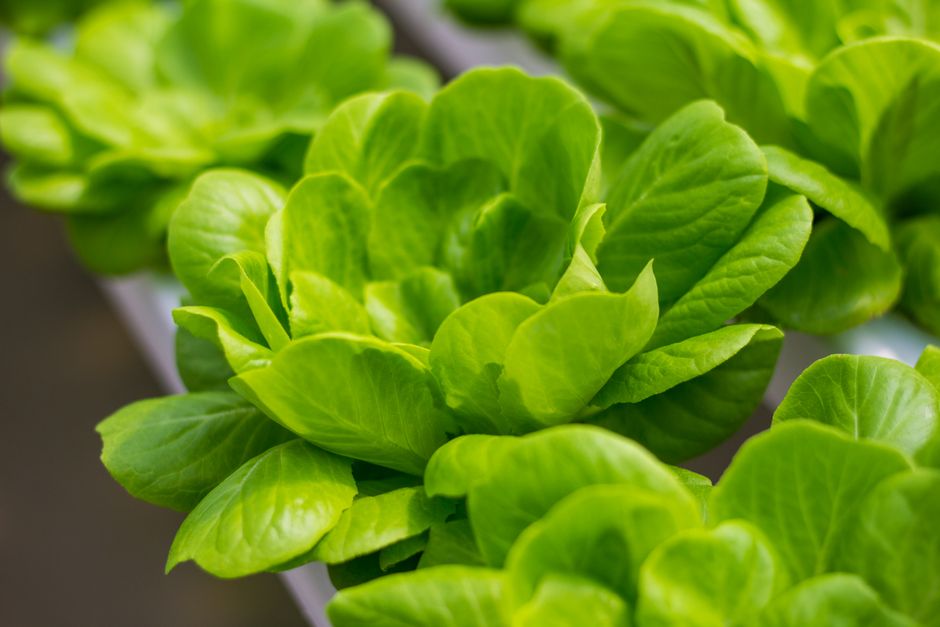
- Lettuce (Butterhead, Romaine, Loose Leaf): Various types of lettuce are among the easiest and fastest vegetables to grow hydroponically. They have shallow root systems and mature quickly, providing continuous harvests of fresh leaves.
- Spinach: Similar to lettuce, spinach thrives in hydroponic systems, especially in slightly cooler indoor temperatures. It offers tender, nutritious leaves in a short amount of time.
- Swiss Chard: With its colorful stems and nutritious leaves, Swiss chard is a beautiful and productive addition to a beginner hydroponic setup. It's quite resilient and can tolerate a range of conditions.
- Kale: Many varieties of kale can be grown hydroponically. While some can get large, dwarf varieties are excellent for smaller indoor systems, providing healthy greens.
Beyond leafy greens, you can try some other compact vegetables. Radishes are surprisingly quick to grow hydroponically, though they need enough space for their roots to develop without crowding. Strawberries can also be a rewarding challenge for beginners, requiring good light and sometimes manual pollination indoors to produce fruit.
As you get your system set up, always keep safety in mind. Always keep electrical timers and pumps away from water spills to prevent hazards. You will also want to make sure your hydroponic equipment for beginners is ready and properly installed.
Plants to Avoid (or Postpone) as a Hydroponic Beginner
As a beginner, it's best to avoid large, long-season, or heavily fruiting plants that have complex nutrient needs or require extensive support structures. These can be overwhelming and lead to disappointment if you're not yet familiar with hydroponic nuances.
For example, large fruiting plants like pumpkins, watermelons, or even full-sized tomatoes require significant space, robust trellising, and very specific nutrient profiles that can be challenging to maintain. Their extensive root systems can quickly overwhelm smaller beginner systems.
Root vegetables like carrots, potatoes, or onions are also generally not recommended for beginners. They need deep growing media and specific conditions for root development, which are often more complex than simple water culture systems. Corn is another plant to avoid due to its height and inefficient use of indoor space.
While tempting, cruciferous vegetables like broccoli and cauliflower can be slower to mature and often grow quite large, making them less ideal for compact, beginner hydroponic setups. Stick to simpler, faster-growing options while you gain experience.
Final Thoughts
Starting your indoor garden with the best plants for beginner hydroponics sets you up for enjoyable harvests and valuable learning experiences. By choosing easy-to-grow herbs and leafy greens, you can quickly see the rewards of your efforts.
Experiment with these easy varieties, watch them grow, and discover more tips and tricks in our other MicroVeg guides.
Frequently Asked Questions
Can I grow any plant hydroponically?
While many plants can be grown hydroponically, some are much easier for beginners due to their size, growth rate, and simpler nutrient requirements.
How often do I need to change the water in my hydroponic system?
You should typically change your hydroponic nutrient solution every one to two weeks to ensure plants receive fresh nutrients and prevent imbalances.
Do hydroponic plants need special nutrients?
Yes, hydroponic plants require specially formulated liquid nutrient solutions designed to provide all essential minerals in a water-soluble form, as they don't get nutrients from soil.
How much light do beginner hydroponic plants need?
Most beginner hydroponic plants, especially leafy greens and herbs, thrive with 12-16 hours of bright light per day, often provided by LED grow lights.
Explore More Hydroponics Guides
 Hydroponics
Kratky vs Deep Water Culture: Which Hydroponic System is Right?
Choosing between Kratky and Deep Water Culture (DWC) hydroponics depends on your space, budget, and how hands-on you want to be.
 Hydroponics
How Often Should You Change Hydroponic Water?
Regularly refreshing your hydroponic nutrient reservoir is crucial for plant health, preventing imbalances, algae, and root diseases.
 Hydroponics
Set Up Your Basic Hydroponic System: A Beginner's Guide
Learn how to easily set up a basic hydroponic system at home and start growing fresh plants without soil, even if you are a complete beginner.