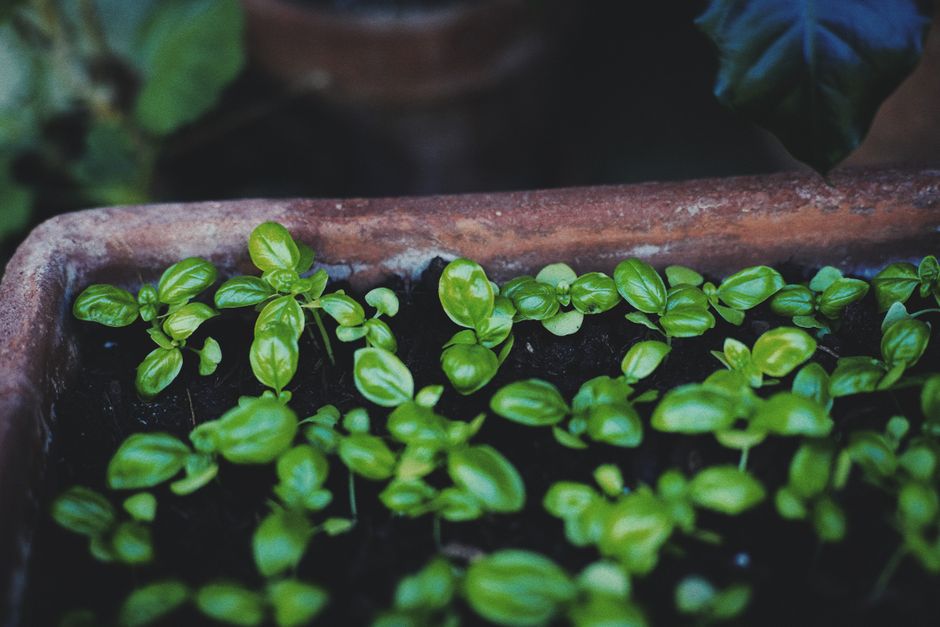
Grow Basil Indoors Hydroponically: Your Fresh Harvest Guide
Imagine fresh, fragrant basil anytime you want it, without stepping foot outside. Growing basil indoors hydroponically makes this dream a reality, providing a consistent supply of this popular herb right in your kitchen. Hydroponics is a method of growing plants without soil, using nutrient-rich water instead. It's an efficient and clean way to cultivate your favorite greens, perfect for small spaces and home growers.
With the right setup and a bit of care, you can enjoy vibrant basil leaves year-round. This guide will walk you through everything you need to know to successfully grow basil indoors hydroponically.
What You Need for a Hydroponic Basil Setup
To successfully grow basil indoors hydroponically, you will need a few key components to create a thriving environment. These include a hydroponic system, appropriate lighting, a nutrient solution, and a growing medium.
-
Hydroponic System: For beginners, a simple Kratky method setup or a small deep water culture (DWC) system works well. These are often easy to assemble and maintain. A Kratky system is passive, meaning it requires no pumps, while DWC uses an air pump and air stone to oxygenate the nutrient solution.
-
Grow Lights: Basil needs plenty of light to thrive. LED grow lights are energy-efficient and provide the full spectrum of light your plants require. Look for lights designed for leafy greens or full-cycle growth. You will typically need to run your lights for 12-16 hours a day.
-
Nutrient Solution: Plants grown hydroponically get all their food from the water. Use a balanced liquid nutrient solution formulated for leafy greens or herbs. Follow the dosage instructions on the product label. Always keep electrical timers and pumps away from potential water spills to prevent hazards.
-
pH Meter and Adjustment Solutions: Maintaining the correct pH level in your nutrient solution is critical for nutrient uptake. Basil generally prefers a pH range between 5.5 and 6.5. A digital pH meter is a wise investment, along with pH Up and pH Down solutions to make adjustments.
-
Growing Medium: Instead of soil, hydroponic basil uses an inert medium to support the plant. Popular choices include rockwool cubes, coco coir, or clay pebbles. These media provide stability for the roots while allowing the nutrient solution to flow freely.
-
Basil Seeds: Select high-quality basil seeds. Popular varieties for indoor hydroponics include Genovese, Sweet Basil, or Lettuce Leaf Basil. These types tend to grow vigorously and produce abundant leaves.
-
Small Fan: Good air circulation helps strengthen stems, prevents fungal issues, and aids in gas exchange. A small oscillating fan running on a low setting for a few hours a day is usually sufficient.
How to Start Basil Seeds for Hydroponics
Starting basil seeds for a hydroponic system is a straightforward process that sets the foundation for healthy plants. You will begin by germinating your seeds in a moist, sterile medium before transferring them to your hydroponic setup.
First, soak your chosen growing medium, such as rockwool cubes or coco coir plugs, in pH-adjusted water for a few hours. This ensures they are fully hydrated and at the correct acidity. Once saturated, gently place one or two basil seeds into each cube or plug. Basil seeds are small, so handle them carefully.
Next, cover the seeds lightly with a thin layer of the same growing medium or leave them exposed, depending on the seed packet instructions. Place the cubes or plugs in a tray with a humidity dome or cover them loosely with plastic wrap to maintain high humidity. Keep them in a warm spot, ideally between 70-75°F (21-24°C).
Basil seeds typically germinate within 5-10 days. Once the seedlings emerge, remove the humidity dome and place them under a gentle grow light. Keep the growing medium consistently moist with plain, pH-adjusted water. Once your seedlings have developed a few sets of true leaves and their roots begin to emerge from the bottom of the growing medium, they are ready to be transferred into your main hydroponic system.
Caring for Your Hydroponic Basil Plants
Proper care for your hydroponic basil plants involves consistent monitoring of light, nutrients, and pH levels to ensure vigorous growth and a bountiful harvest. These elements work together to provide everything your basil needs to thrive without soil.
Provide your basil plants with 12-16 hours of light per day from your LED grow lights. The exact height of your light will depend on its wattage and the manufacturer's recommendations. Refer to your grow light's coverage chart for optimal distance. Regularly check the nutrient solution level and top it off with fresh, pH-adjusted water or a diluted nutrient mix as needed. Plan to completely change your nutrient reservoir every 1-2 weeks to prevent nutrient imbalances and bacterial buildup.
Monitoring the pH of your nutrient solution is paramount. Use your pH meter daily or every other day to check the levels. If the pH drifts outside the ideal range of 5.5-6.5, adjust it using pH Up or pH Down solutions. Maintaining the correct pH ensures your basil can absorb all the necessary nutrients from the water. For more detailed guidance, see our guide on Perfect Hydroponics pH.
Maintain an ambient room temperature between 65-75°F (18-24°C) for optimal basil growth. While humidity isn't as critical for mature basil as it is for seedlings, good air circulation from a small fan helps prevent fungal issues and strengthens the plant stems. Ensure the roots are always submerged in the nutrient solution but have access to oxygen. In DWC systems, this is provided by an air stone.
Pruning and Harvesting Hydroponic Basil
Pruning and harvesting your hydroponic basil regularly encourages bushier growth and ensures a continuous supply of fresh leaves. You can start harvesting leaves once your plant has grown several inches tall and has at least two sets of true leaves.
To prune for bushier growth, locate a node (where a set of leaves or branches emerge) and cut the main stem just above it. This encourages the plant to branch out from that node, leading to more leaves. Avoid removing more than one-third of the plant's foliage at any one time to prevent stressing it.
You can also harvest individual leaves as needed by plucking them from the plant. Always pick the larger, older leaves first, working from the bottom up. Regular harvesting prevents the basil from flowering, which can change its flavor and slow leaf production. With consistent pruning and harvesting, your hydroponic basil plant will continue to produce fresh leaves for many weeks.
Common Issues When Growing Hydroponic Basil
Even with careful attention, home growers might encounter a few common issues when growing basil indoors hydroponically. Understanding these problems and how to address them can help keep your plants healthy and productive.
One frequent issue is yellowing leaves. This can indicate a nutrient deficiency, often related to an incorrect pH level preventing the plant from absorbing nutrients. Always check your pH first. Yellowing may also occur if the grow light is too close or too far, or if the nutrient solution is depleted. Ensure your light is at the correct distance and your nutrient solution is fresh and balanced.
Slow growth can be a sign of insufficient light, incorrect nutrient concentration, or temperatures that are too cool. Verify your grow light schedule and intensity, check your nutrient solution's strength (following the manufacturer's guidelines), and ensure your growing environment is warm enough. Basil thrives in consistent warmth.
Another common challenge is bolting, which is when the basil plant starts to flower and produce seeds. While natural, bolting can make the leaves bitter and stop new leaf production. Bolting is often triggered by excessive heat or stress. Regular pruning helps delay bolting, but if you see flower stalks forming, pinch them off immediately to encourage more leaf growth. Adjusting your light schedule or providing better air circulation can also help mitigate heat stress.
Pests, although less common indoors, can still be a problem. Aphids and spider mites are occasional visitors. Inspect your plants regularly, especially the undersides of leaves. If you spot pests, isolate the affected plant and use gentle methods like a strong spray of water or a mild insecticidal soap (suitable for edibles) to remove them.
Final Thoughts
Growing basil indoors hydroponically is a rewarding endeavor that provides you with a continuous supply of fresh, aromatic leaves. By setting up the right system, paying attention to light, nutrients, and pH, and harvesting regularly, you can enjoy delicious basil for all your culinary adventures. Happy growing, and be sure to explore more MicroVeg guides for additional indoor gardening tips!
Frequently Asked Questions
What is the best type of basil to grow hydroponically?
Genovese, Sweet Basil, and Lettuce Leaf Basil varieties are excellent choices for hydroponic growing due to their robust growth and flavor.
How often should I change the nutrient solution for hydroponic basil?
You should completely change your nutrient reservoir every 1-2 weeks to ensure your basil receives a fresh, balanced supply of essential nutrients.
Can I use tap water for my hydroponic basil?
Yes, tap water can be used, but it's important to test its pH and potentially let it sit out for 24 hours to allow chlorine to dissipate before adding nutrients.
How much light does hydroponic basil need each day?
Hydroponic basil thrives with 12 to 16 hours of light per day from a suitable LED grow light to support its vigorous growth.
Explore More Hydroponics Guides
 Hydroponics
Kratky vs Deep Water Culture: Which Hydroponic System is Right?
Choosing between Kratky and Deep Water Culture (DWC) hydroponics depends on your space, budget, and how hands-on you want to be.
 Hydroponics
How Often Should You Change Hydroponic Water?
Regularly refreshing your hydroponic nutrient reservoir is crucial for plant health, preventing imbalances, algae, and root diseases.
 Hydroponics
Set Up Your Basic Hydroponic System: A Beginner's Guide
Learn how to easily set up a basic hydroponic system at home and start growing fresh plants without soil, even if you are a complete beginner.