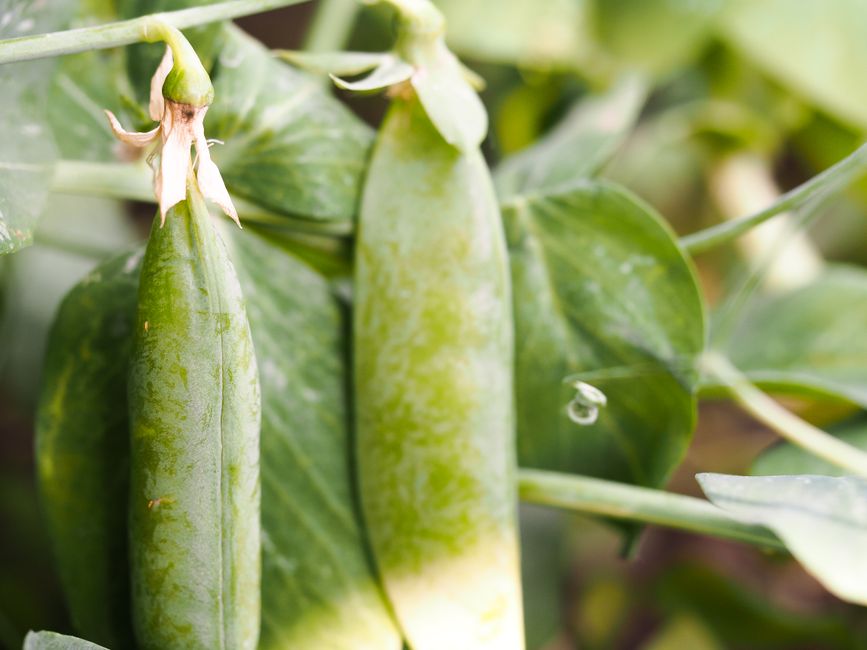
Harvesting Pea Shoots: Your Guide to Fresh, Fast Greens
What Exactly Are Pea Shoots?
Pea shoots are the delicate, edible greens that sprout from pea seeds, typically harvested when they are just a few inches tall. These young plants are distinct from mature peas, prized for their sweet flavor, crisp texture, and vibrant green color. They offer a concentrated burst of nutrients, making them a popular choice for health-conscious home growers.
They come from various pea varieties, most commonly field peas, speckled peas, or sugar snap peas, which are grown specifically for their leafy greens rather than their mature pods. Unlike mature pea plants, pea shoots are cultivated for their rapid growth cycle, often ready for harvest within two to three weeks of planting. They are packed with vitamins A, C, and K, along with essential minerals and antioxidants, truly a superfood for your indoor garden. Their versatility in the kitchen makes them a delightful addition to salads, sandwiches, smoothies, and garnishes.
Choosing the Right Pea Seeds for Shoots
Selecting the correct pea seeds is the first step toward a successful pea shoot harvest. Look for varieties labeled specifically for "microgreens," "sprouting," or "shoots," such as speckled peas, dun peas, or green peas. These seeds are typically non-GMO and sometimes organic, ensuring a pure product. Avoid using garden variety shelling peas or snow peas that are intended for full-size plants, as these may not produce the most tender or flavorful shoots when grown to the microgreen stage.
Before planting, it is highly recommended to soak your chosen pea seeds for 8-12 hours in cool water. This pre-soaking significantly improves germination rates by softening the seed coat and signaling the embryo to begin growth. After soaking, rinse the seeds thoroughly before spreading them on your growing medium.
When Are Pea Shoots Ready to Harvest?
Pea shoots are typically ready for their first harvest when they reach about 4-6 inches in height, usually 10-20 days after germination. At this stage, they will have developed their first set of true leaves, which are small, fan-shaped leaves, along with some tender tendrils. This is the prime time for flavor and texture.
Waiting until they are too tall can result in tougher, less flavorful shoots, losing some of their delicate sweetness and crispness. Conversely, harvesting too early might reduce your overall yield and prevent the plants from fully developing their flavor profile. Observe the plants closely; you want them to look vibrant, lush, and uniformly green, not overgrown, leggy, or showing signs of yellowing. The ideal time is when they are robust enough to handle cutting but still very tender to the touch. Pay attention to the overall density of your tray as well; a full, bushy tray indicates readiness.
What's the Best Way to Harvest Pea Shoots for Regrowth?
To harvest pea shoots effectively and encourage multiple regrowth cycles, use sharp, clean scissors or a very sharp knife to cut the shoots just above the first true leaves or about an inch above the growing medium. This specific cutting point is crucial because it leaves enough growth nodes on the lower stem for the plant to send up new shoots.
Making a clean cut minimizes damage to the plant and helps prevent disease. Avoid pulling or tearing the plants, as this can severely damage the root system and inhibit or even prevent further growth. After harvesting, gently rinse your pea shoots under cool, running water to remove any debris, stray seed hulls, or dust. Always wash microgreens thoroughly before eating them to ensure cleanliness and safety.
Once cleaned, gently pat the shoots dry with a paper towel or use a salad spinner. Store the harvested shoots in an airtight container or a breathable bag lined with a paper towel in the refrigerator. They will typically stay fresh for about five to seven days, ready to add to your meals.
Can You Get Multiple Harvests from Pea Shoots?
Yes, you can often get two to three harvests from a single planting of pea shoots if they are cut correctly and maintained with consistent care. After the initial harvest, continue to water your growing medium regularly, ensuring it remains consistently moist but never waterlogged, which can lead to root rot.
New shoots will typically emerge from the nodes left behind on the lower stems, usually ready for a second harvest in another 7-10 days. The regrowth might be slightly less vigorous or abundant than the first harvest, but it still provides delicious, fresh greens. To optimize regrowth, ensure your plants continue to receive ample light and maintain good air circulation around them. Once the shoots become too thin, stringy, or stop producing vigorously after a few cuts, it's generally time to compost the spent growing medium and replant fresh seeds for a new batch.
Maintaining Your Pea Shoots Between Cuts
Between harvests, proper care is essential to encourage strong regrowth and prevent common issues. Ensure your pea shoots receive consistent light exposure, ideally from a dedicated grow light, for 12-16 hours daily. This sustained light helps keep the new growth strong and prevents it from becoming weak or pale. Water your plants from the bottom whenever possible, by placing the tray in a shallow basin of water, allowing the medium to absorb moisture. This method helps prevent damping-off disease and keeps the surface dry, which can deter mold. If you're experiencing issues like mold or fungal growth, reviewing guides such as Prevent Mold on Microgreens: A Home Grower's Guide can provide valuable solutions. Always ensure good air circulation around your plants, especially in humid environments, using a small fan if necessary. Remember to keep electrical timers and pumps away from water spills to maintain safety in your indoor garden.
How Can I Grow the Best Pea Shoots Indoors?
Growing the best pea shoots indoors involves a few key steps that optimize germination, growth, and overall plant health. Start by selecting a high-quality growing medium, such as coco coir, a sterile seed-starting mix, or even hydroponic grow mats. Spread your chosen medium evenly in a shallow tray, ensuring it is at least an inch deep. After pre-soaking your pea seeds, sow them densely across the surface of the medium, almost touching each other but not overlapping too much. This dense planting helps create a canopy that supports the shoots as they grow.
After sowing, cover the seeds lightly with a thin layer of growing medium or place another tray on top to create a blackout period for 3-5 days. This darkness encourages even germination and helps the seedlings establish strong roots as they search for light. Once germinated and about an inch tall, move them under a grow light for 12-16 hours a day. Proper light exposure is crucial to prevent leggy growth; if you notice your seedlings stretching excessively or looking pale, you might need to adjust your light distance or duration. For more on optimizing light, consider guides like Set Your LED Grow Light Schedule for Happy Plants. Maintain a consistent room temperature, ideally between 65-75°F (18-24°C), and ensure the growing medium remains consistently moist. Watering from the bottom is often preferred to keep the foliage dry and reduce disease risk. Good air circulation, perhaps from a small oscillating fan, is also vital to prevent stagnant air and potential fungal issues.
Final Thoughts
Harvesting pea shoots is a rewarding and straightforward process that brings fresh, nutritious greens to your table with minimal effort. By understanding when and how to cut them, along with techniques to encourage regrowth, you can enjoy a continuous supply of these delightful microgreens from your indoor garden. With a little care, your pea shoots will flourish, offering a consistent harvest of sweet, crisp flavor. Explore more MicroVeg guides for further tips to enhance your home growing journey.
Frequently Asked Questions
How long do pea shoots take to grow?
Pea shoots typically take 10-20 days from planting to their first harvest, depending on the variety and growing conditions.
Do pea shoots need light to grow?
Pea shoots need light after germination to develop strong, green leaves and prevent leggy growth. They do, however, benefit from a few days of darkness immediately after planting to encourage uniform germination.
Can you eat pea tendrils?
Yes, pea tendrils are perfectly edible and highly prized for their delicate texture and sweet pea flavor, often included in the harvest.
Why are my pea shoots not regrowing?
Pea shoots might not regrow if they were cut too low, if the root system was damaged, or if they lack sufficient light, water, or nutrients after the first harvest.
Explore More Microgreens Guides
 Microgreens
Prevent Mold on Microgreens: A Home Grower's Guide
Learn how to prevent common fuzzy white mold on your microgreens with easy tips for better air circulation and watering.
 Microgreens
Harvest Radish Microgreens: Maximize Flavor & Re-growth
Discover the best techniques to harvest your radish microgreens, ensuring maximum flavor and understanding their re-growth potential.
 Microgreens
When to Harvest Microgreens: Your Guide to Perfect Timing
Learn the best time to harvest your microgreens for maximum flavor and nutrition, ensuring a perfect crop every time.