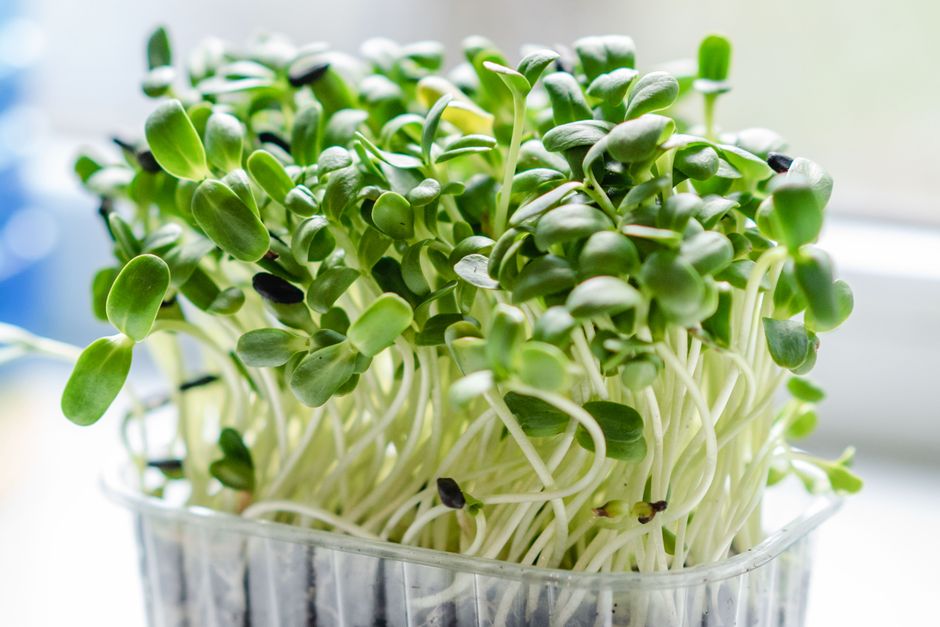
Prevent Mold on Microgreens: A Home Grower's Guide
Prevent Mold on Microgreens: A Home Grower's Guide
Growing fresh microgreens indoors is incredibly rewarding, but sometimes, a common problem can appear: fuzzy white mold. This guide will show you how to prevent mold on microgreens, ensuring your tiny greens grow healthy and strong for a delicious harvest. Don't let mold spoil your indoor garden; with a few simple steps, you can keep your microgreens thriving.
What Causes Mold on Microgreens?
Mold on microgreens is typically caused by a combination of excess moisture, poor air circulation, and sometimes contaminated seeds or growing medium. These conditions create an ideal environment for fungal spores to germinate and spread, leading to fuzzy patches on your plants or substrate.
Several factors contribute to these prime mold conditions. High humidity around your plants can encourage fungal growth, especially if the air is stagnant. Overwatering your seeds or young plants saturates the growing medium, making it a perfect breeding ground for mold. Using dirty trays or a contaminated substrate can also introduce unwanted spores into your setup. Lastly, sowing seeds too densely can trap moisture and reduce airflow between plants, exacerbating the problem.
How Do You Prevent Mold During Germination?
Preventing mold during germination involves careful seed preparation, proper watering, and maintaining adequate air circulation from the very beginning. The initial stages of growth are crucial for setting up a mold-free environment.
Start with clean, high-quality seeds. Some growers choose to sterilize their seeds with a diluted hydrogen peroxide solution, which can kill surface spores before planting. Always follow the specific instructions for your chosen seed type and treatment.
When sowing, ensure you're not planting your seeds too densely. Overcrowding reduces airflow and traps moisture, which are two big invitations for mold. Spread your seeds evenly across the growing medium according to the variety's specific recommendations.
Watering during germination should be gentle and precise. Instead of heavy overhead watering, which can dislodge seeds and create puddles, use a fine mist sprayer. Many microgreen growers also prefer bottom watering, where you add water to a tray beneath your growing tray, allowing the medium to soak it up from below. This keeps the seed surfaces drier.
Cleanliness is Key for Healthy Microgreens
Maintaining a clean growing environment is one of the most effective ways to prevent mold. Before you even plant, ensure all your growing trays, domes, and tools are thoroughly cleaned and sanitized. A simple bleach solution or hydrogen peroxide wash can eliminate lingering mold spores and bacteria.
Always use fresh, sterile growing medium for each batch of microgreens. Reusing old soil or coco coir can introduce pathogens and mold spores, making your new crop vulnerable. Think of your microgreen setup like a kitchen counter: clean it before you start cooking!
What's the Best Environment to Stop Mold on Microgreens?
The best environment for preventing mold on microgreens includes excellent air circulation, controlled humidity, and appropriate watering techniques. These elements work together to create conditions where mold struggles to thrive.
Good air circulation is vital. Stagnant, humid air is a mold haven. Use a small oscillating fan in your growing area to gently move the air around your microgreens. This helps evaporate excess moisture from the plant surfaces and growing medium. Position the fan so it creates a gentle breeze, not a strong gale that could dry out your plants too quickly.
Humidity levels should be kept moderate. While microgreens need moisture to grow, overly humid conditions (above 70%) can encourage mold. If your grow space is naturally humid, consider using a dehumidifier. Monitoring the humidity with a simple hygrometer can help you maintain optimal levels.
Proper watering remains crucial even after germination. Continue to bottom water your microgreens whenever possible. This keeps the foliage and seed hulls dry, starving mold spores of the surface moisture they need. If you must overhead water, do it early in the day so the plants have time to dry before nightfall. Always keep electrical equipment like fans and grow lights away from water spills to prevent hazards.
Ensure your LED grow light distance is set correctly. While lights don't directly cause mold, proper light intensity can encourage strong, healthy growth, making plants more resilient. Also, adequate light helps warm the air slightly, which can aid in drying surface moisture.
How Can You Identify and Deal With Mold on Microgreens?
Mold typically appears as fuzzy white or gray patches on your microgreens or growing medium, distinct from healthy, fine root hairs. Knowing the difference is key to taking appropriate action.
Root hairs are usually very fine, white, and emerge directly from the plant's stem, looking almost like tiny, delicate threads. They follow the contours of the root system. Mold, on the other hand, often looks thicker, more cotton-like, and tends to spread across the growing medium or cluster around the base of multiple plants. It might also have a faint musty smell.
If you spot mold, act quickly. First, immediately isolate the affected tray to prevent spores from spreading to other microgreens. Increase air circulation around the tray by pointing a fan directly at it. Some growers try a very diluted hydrogen peroxide spray (e.g., 1 part 3% hydrogen peroxide to 10 parts water) to kill surface mold, but this isn't always effective and can damage delicate plants. Often, the safest and most practical approach is to discard the entire batch to prevent contaminating your growing area or risking your health. It's better to start fresh than risk consuming moldy greens. Always wash your microgreens thoroughly before eating them, regardless of mold presence, to remove any potential contaminants.
Learning from the experience is important. Review your practices for common indoor gardening mistakes, specifically focusing on humidity, watering, and ventilation, to avoid mold in future batches.
Final Thoughts
Preventing mold on microgreens is all about creating the right environment: clean practices, good airflow, and careful watering. By being proactive and attentive, you can enjoy a consistent supply of fresh, healthy microgreens without the worry of fungal invaders. Keep experimenting, keep learning, and enjoy your delicious home-grown harvests!
Frequently Asked Questions
Is it mold or root hairs on my microgreens?
Root hairs are fine, white, and grow directly from the seedling's stem, while mold appears as fuzzy, cotton-like patches that spread across the growing medium or base of multiple plants.
Can I eat microgreens with a little mold?
It is generally not recommended to eat microgreens with mold, as some molds can produce toxins harmful to human health. It's safer to discard moldy batches.
How much air circulation do microgreens need?
Microgreens benefit from gentle, consistent air circulation provided by a small oscillating fan to prevent stagnant, humid conditions that encourage mold growth.
Can overwatering cause mold on microgreens?
Yes, overwatering is a primary cause of mold on microgreens because it saturates the growing medium and creates the moist conditions mold spores need to thrive.
Explore More Microgreens Guides
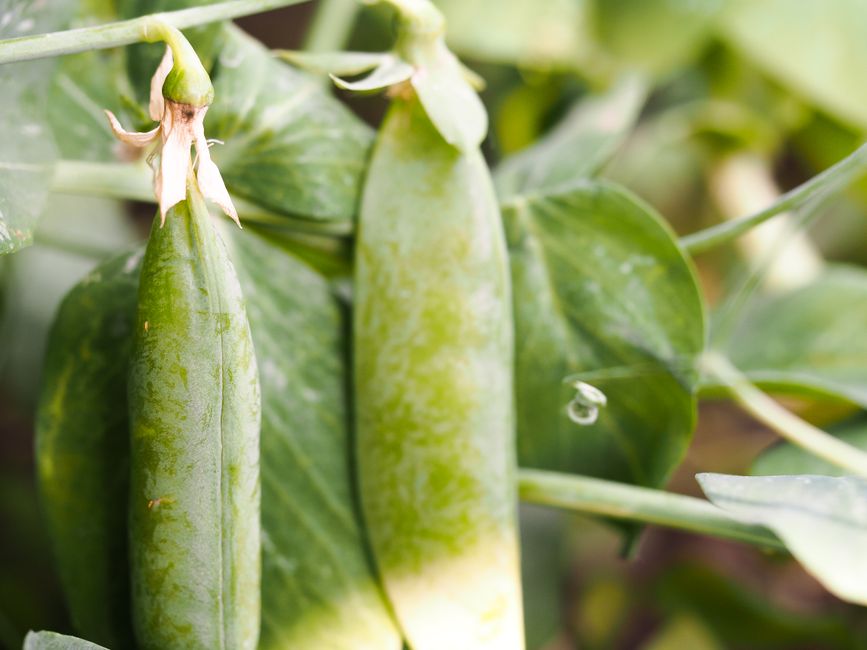 Microgreens
Harvesting Pea Shoots: Your Guide to Fresh, Fast Greens
Unlock the secrets to successful pea shoot harvesting for continuous fresh greens from your indoor garden, maximizing flavor and yield.
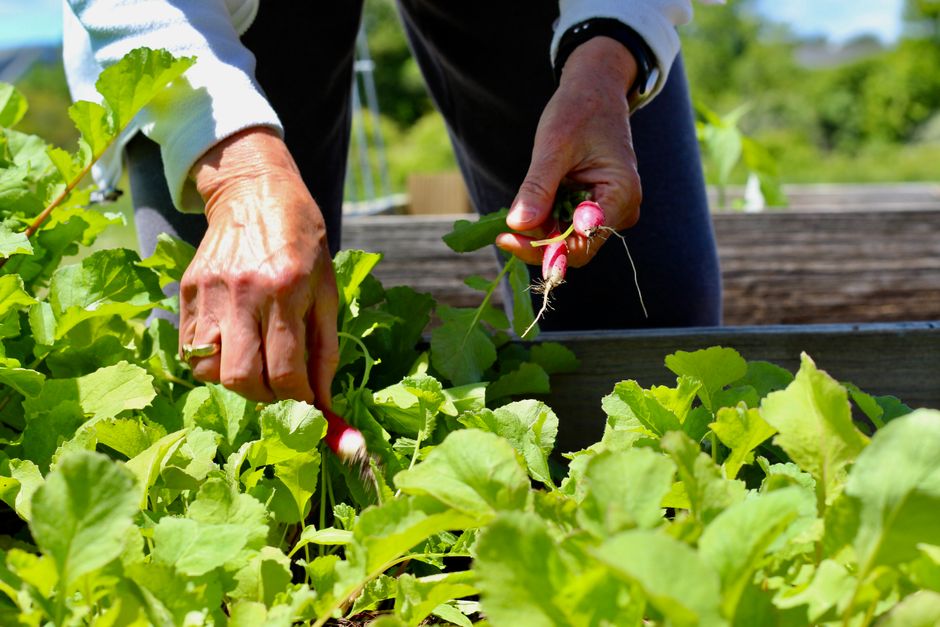 Microgreens
Harvest Radish Microgreens: Maximize Flavor & Re-growth
Discover the best techniques to harvest your radish microgreens, ensuring maximum flavor and understanding their re-growth potential.
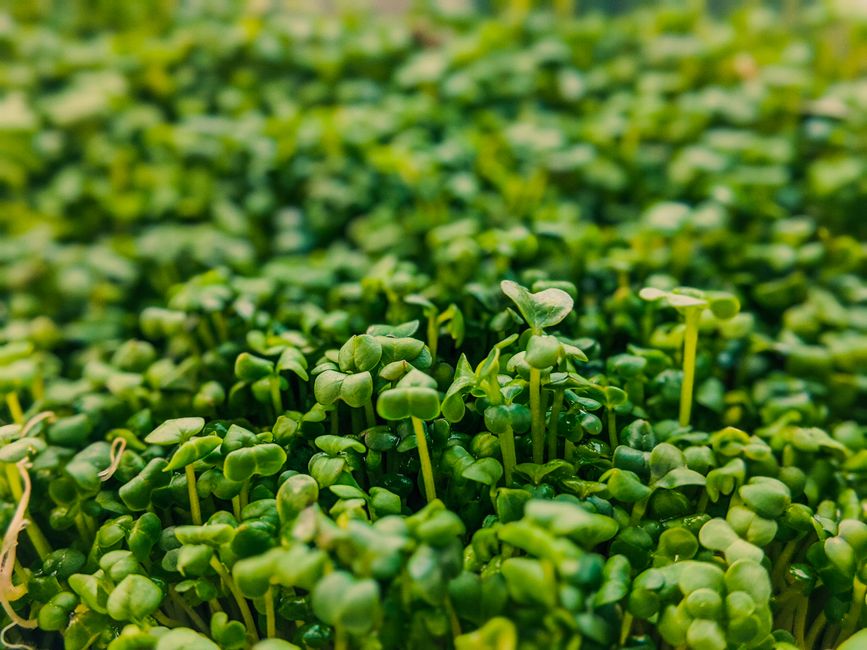 Microgreens
When to Harvest Microgreens: Your Guide to Perfect Timing
Learn the best time to harvest your microgreens for maximum flavor and nutrition, ensuring a perfect crop every time.