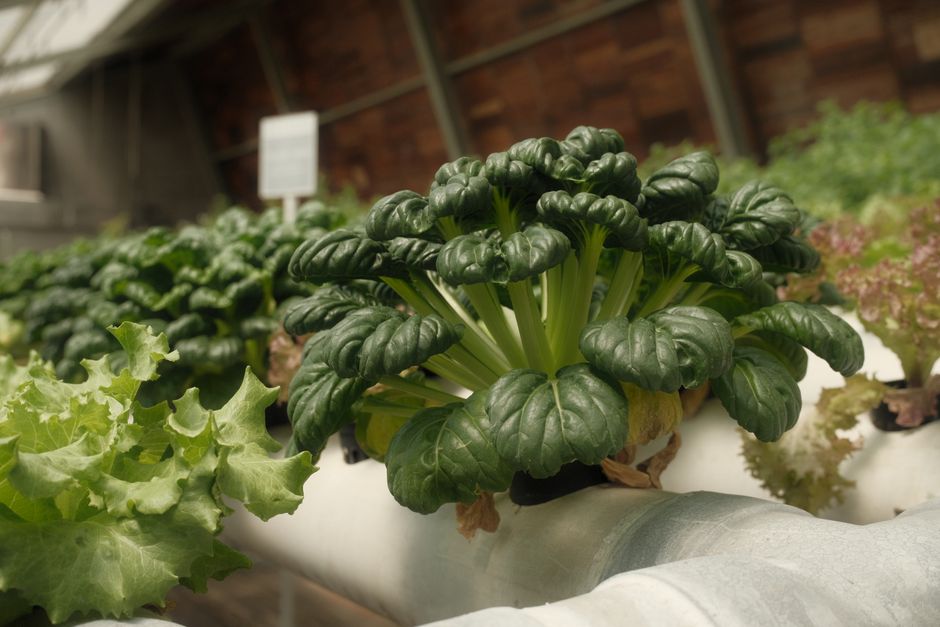
Hydroponic Equipment for Beginners: Your Setup Guide
Thinking about diving into the world of indoor gardening without soil? Hydroponics is a fantastic way to grow fresh herbs, leafy greens, and even vegetables right in your home. It uses nutrient-rich water instead of dirt, offering faster growth and often higher yields. To get started, you will need some specific hydroponic equipment, but don't worry, it's simpler than you might think.
This guide will walk you through all the essential gear for your first hydroponic setup. We'll break down each component, help you understand why you need it, and offer practical tips for choosing the right beginner hydroponic system. Let's get your indoor garden growing.
What is Hydroponics and Why Grow This Way?
Hydroponics is a method of growing plants using mineral nutrient solutions dissolved in water, instead of soil. Plants absorb these nutrients directly from the water, often supported by an inert growing medium like rockwool or coco coir.
Many home growers choose hydroponics for several reasons. It can lead to faster plant growth, higher yields, and requires less water than traditional soil gardening. You also don't deal with soil-borne pests or weeds, making it a cleaner way to grow indoors. For those with limited space, a compact hydroponic setup can provide fresh produce year-round.
What Essential Equipment Do You Need for Hydroponics?
Setting up your first hydroponic system requires a few key pieces of equipment to ensure your plants thrive. While specific systems vary, these core components are typically needed for any indoor hydroponic setup.
The Core Hydroponic Supplies List
- Hydroponic System: This is the main structure that holds your plants and nutrient solution. Options range from simple Kratky jars to more complex systems with pumps and timers.
- Reservoir: A container to hold your nutrient solution. It needs to be opaque to prevent light from reaching the water, which can cause algae growth.
- Nutrient Solution: A specially formulated liquid fertilizer containing all the essential minerals your plants need. These come in multi-part solutions (e.g., A, B, C) that you mix with water.
- Growing Medium: An inert material that provides support for your plants and holds moisture. Common choices include rockwool, coco coir, perlite, or clay pebbles.
- pH Testing Kit and Adjusters: Plants need a specific pH range to absorb nutrients properly. You'll need a testing kit (liquid drops or a digital meter) and pH Up/Down solutions to keep your water balanced.
- Grow Lights: Unless you have abundant natural sunlight, artificial grow lights are crucial for indoor hydroponics. LED grow lights are energy-efficient and effective.
- Air Pump and Air Stone (for DWC or NFT): If your system requires oxygenation, an air pump pushes air through an air stone, creating bubbles that oxygenate the water and prevent roots from drowning.
- Net Pots: Small mesh pots that hold your plants and growing medium, allowing roots to grow down into the nutrient solution.
- Timers: Essential for automating your grow lights and, in some systems, your pumps.
Remember to always keep electrical timers and pumps away from water spills to prevent hazards. Safety first in your indoor garden.
How Do You Choose the Right Hydroponic System?
Choosing your first hydroponic system depends on your budget, space, and how hands-on you want to be. There are several beginner-friendly options to consider for your indoor hydroponics setup.
The Kratky method is one of the simplest and most affordable for beginners. It's a passive system, meaning it uses no pumps or electricity. Plants sit in net pots with their roots dangling into a static nutrient solution. As the plant drinks, the water level drops, creating an air gap for the roots. It's great for leafy greens and herbs.
Deep Water Culture (DWC) is another popular choice. In a DWC system, plant roots are suspended in a nutrient-rich, oxygenated water solution. It requires an air pump and air stone to provide oxygen to the roots. DWC is relatively simple to set up and can yield fast growth.
Nutrient Film Technique (NFT) involves a shallow stream of nutrient solution flowing over the roots. This system is often seen in commercial setups but scaled-down versions are available for home use. It's more complex than Kratky or DWC but very efficient.
For those looking for a more structured approach, consider a compact all-in-one system. These often come with integrated lights, pumps, and reservoirs, making setup incredibly easy. They are a good way to test the waters of hydroponics without much DIY effort.
What About Grow Lights and Nutrients for Beginners?
Grow lights and nutrient solutions are critical for hydroponic success and require careful attention for your plants to thrive.
Selecting Your Grow Lights
Plants need light to perform photosynthesis, and without soil, they rely entirely on you to provide it. LED grow lights are the best choice for beginners due to their energy efficiency, long lifespan, and customizable spectrums. When choosing a light, consider the size of your growing area and the types of plants you plan to grow.
You can find more detailed information on light spectrums in our LED Grow Light Spectrum: Simple Guide for Beginners. Proper light placement is also key; knowing when to put seedlings under grow lights helps ensure strong growth from the start.
Understanding Hydroponic Nutrients
Hydroponic nutrients are not the same as soil fertilizers. They are specifically formulated to provide all the macro and micronutrients plants need directly in water. Most nutrient solutions come in two or three parts (e.g., 'Grow,' 'Bloom,' and 'Micro') that you mix together with water at specific ratios.
Always follow the mixing instructions on your nutrient bottle carefully. Over-fertilizing can harm your plants, while under-fertilizing leads to deficiencies. You'll also need to monitor your nutrient strength using a TDS or EC meter. Our guide on How to Measure Hydroponic Nutrient Strength can help you with this important step.
Tips for a Successful First Hydroponic Setup
Getting your first hydroponic equipment up and running successfully involves a few simple practices that will make a big difference.
Start with easy-to-grow plants. Leafy greens like lettuce, spinach, and herbs such as basil and mint are excellent choices for beginners. They grow quickly and are forgiving of minor mistakes.
Monitor your water quality regularly. This includes checking the pH level daily or every other day and topping off your reservoir with fresh, pH-adjusted water. Changing your entire nutrient solution every one to two weeks helps prevent nutrient imbalances and algae growth.
Keep your system clean. Periodically cleaning your reservoir and other components prevents algae and bacterial issues. A clean system is a healthy system for your plants.
Final Thoughts
Embarking on your hydroponic journey is an exciting step into home growing. With the right hydroponic equipment and a little patience, you will soon be enjoying fresh, homegrown produce. Don't be afraid to experiment and learn along the way.
Ready for more? Explore our other MicroVeg guides to deepen your indoor gardening knowledge.
Frequently Asked Questions
Is hydroponics hard for beginners?
No, hydroponics can be very beginner-friendly, especially with simple systems like Kratky or all-in-one kits. The key is to start with easy plants and follow basic guidelines for nutrients and pH.
What plants are best for a first hydroponic system?
Leafy greens like lettuce, spinach, kale, and herbs such as basil, mint, and cilantro are excellent choices for beginners due to their fast growth and relative ease of care.
How often do I add nutrients to hydroponics?
You typically add a diluted nutrient solution when topping off your reservoir with water. The entire nutrient solution should be completely replaced every one to two weeks, depending on your system and plant needs.
Can I use natural light for hydroponics?
While some hydroponic setups can benefit from natural light, most indoor systems require supplemental LED grow lights to provide sufficient intensity and duration for healthy plant growth, especially during shorter daylight hours.
Explore More Hydroponics Guides
 Hydroponics
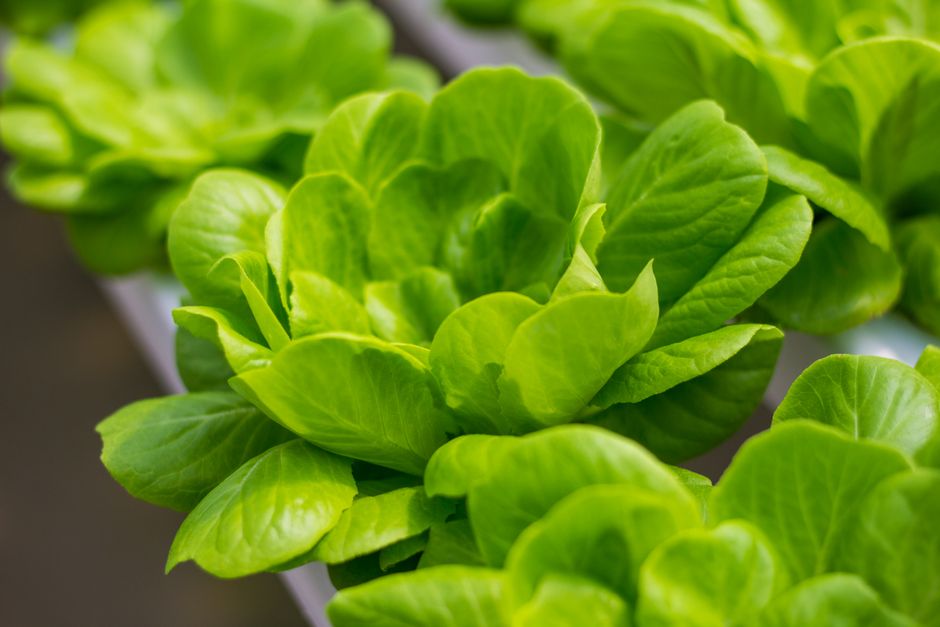
Kratky vs Deep Water Culture: Which Hydroponic System is Right?
Choosing between Kratky and Deep Water Culture (DWC) hydroponics depends on your space, budget, and how hands-on you want to be.
 Hydroponics
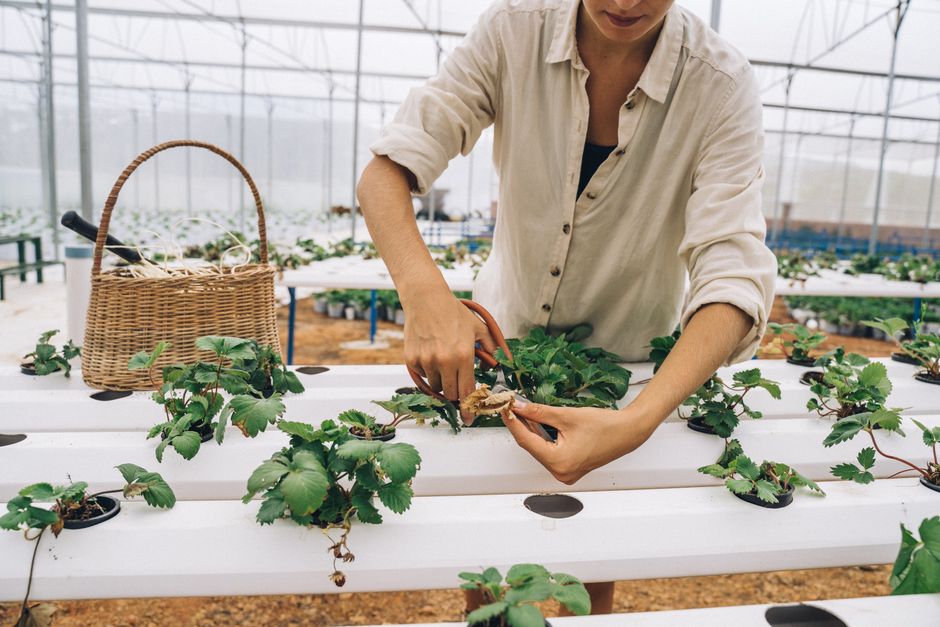
How Often Should You Change Hydroponic Water?
Regularly refreshing your hydroponic nutrient reservoir is crucial for plant health, preventing imbalances, algae, and root diseases.
 Hydroponics
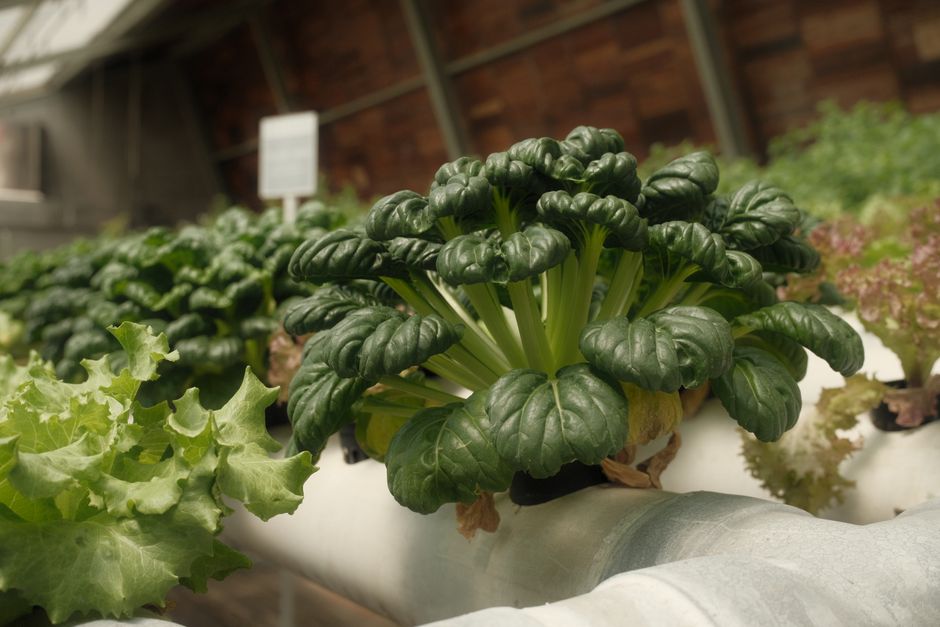
Set Up Your Basic Hydroponic System: A Beginner's Guide
Learn how to easily set up a basic hydroponic system at home and start growing fresh plants without soil, even if you are a complete beginner.