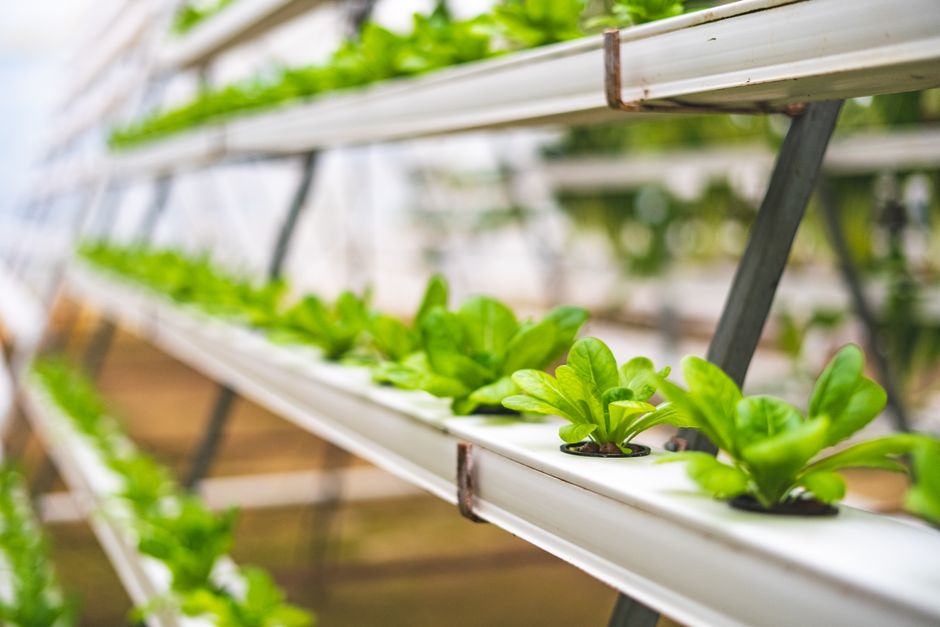
Smallest Hydroponic Setup: Desk & Counter Growing
Dreaming of fresh herbs or leafy greens but think you don't have the space? Think again. The smallest hydroponic setup can transform a tiny corner of your desk or kitchen counter into a thriving mini garden. This guide will show you how to get started. A small hydroponic setup is a compact, soil-free system designed for growing plants in minimal space, often using simple containers and basic equipment to provide nutrient-rich water directly to plant roots. It's perfect for apartments, offices, or anyone with limited room.
What is the Smallest Hydroponic Setup You Can Make?
The smallest hydroponic setup you can make is often a simple Kratky or deep water culture (DWC) system using a small opaque container. These incredibly compact systems are designed for minimal space, perfect for desks, kitchen counters, or even small shelves. For the simplest versions, they require no pumps or electricity, which adds to their ease of setup and low maintenance. This approach allows you to grow fresh produce right where you live, even if you have very little room.
What Do I Need for a Mini Hydroponic Garden?
To create your own mini hydroponic garden, you'll need just a few essential items. Most are readily available and won't break the bank, making hydroponics accessible even in the tiniest of spaces. Here's what to gather for your compact growing project:
- Opaque Container: A pint or quart-sized container (dark plastic or painted glass) to block light from reaching the nutrient solution. Think clean yogurt cups or small storage bins.
- Net Pot: One or more 2 to 3-inch net pots that fit into holes cut in your container's lid. These hold your plants and allow roots to access water.
- Growing Medium: A sterile, inert medium like a rockwool cube, coco coir, or clay pebbles. This provides support for seeds and young plants. Learn more in our guide on Rockwool vs Coco Coir.
- Hydroponic Nutrients: A liquid nutrient solution specifically for hydroponics. Choose a general-purpose blend for leafy greens. Always follow bottle dosage instructions.
- Seeds: Select small, fast-growing plants like lettuce, spinach, or herbs.
- pH Testing Kit: Simple pH strips or liquid drops are essential for monitoring and adjusting the acidity of your nutrient solution.
- Optional: Small LED Grow Light: If your spot lacks 12-16 hours of bright light daily, a compact LED grow light provides necessary spectrum for healthy growth.
How Do I Build a Tiny Hydroponic System for My Desk?
Building a tiny hydroponic system for your desk is a straightforward process that takes just a few steps. You can have your miniature garden up and running in under an hour, providing a continuous supply of fresh greens.
Step 1: Prepare Your Container
Choose an opaque container to prevent algae growth. A clean, empty pint or quart-sized yogurt cup, dark glass jar, or small plastic food box works well. Ensure it has a lid. Cut a hole in the lid large enough for your net pot to sit snugly, with its bottom extending an inch or two into the container.
Step 2: Mix Your Nutrients
Fill your container with water, leaving about an inch of space from the top. Add hydroponic nutrients according to the manufacturer's directions for seedlings. Do not over-fertilize. Stir well. Test the pH and adjust if necessary, aiming for 5.5-6.5. Correct pH is vital for nutrient uptake.
Safety note: Always keep electrical timers and pumps (if you add them later) away from water spills to prevent electrical hazards.
Step 3: Plant Your Seeds
Sow 2-3 seeds in your chosen growing medium, such as a rockwool cube or coco coir, following seed instructions. Place the seeded medium directly into the net pot. Pre-soaking seeds, if recommended, can boost germination.
Step 4: Place in Net Pot
Gently place the net pot, with your seeded medium, into the hole in your container lid. Ensure the net pot's bottom is submerged in the nutrient solution. For Kratky, the solution level will drop as the plant drinks, naturally creating an air gap for roots to breathe.
Step 5: Monitor and Maintain
Place your setup where it gets adequate light: a bright windowsill or under a small LED grow light. Check water levels every few days. Top up with fresh, pH-balanced nutrient solution as needed. As plants grow, you'll replenish less frequently, typically every 1-2 weeks, depending on plant size.
What Can I Grow in a Small Hydroponic Setup?
With a smallest hydroponic setup, you can successfully grow a variety of compact plants that thrive in limited space. Focus on quick-growing, leafy greens and common herbs for the best and most rewarding results.
- Lettuce Varieties: Loose leaf, butterhead, and romaine are excellent choices for continuous harvests.
- Spinach: A nutrient-dense green that performs well in cool conditions and small systems.
- Arugula: Fast-growing with a peppery flavor, perfect for salads.
- Basil: A fragrant herb that thrives hydroponically. Harvest leaves continuously for cooking.
- Mint: Grows vigorously. Prune regularly to keep it contained.
- Chives: Delicate, onion-flavored herbs perfect for garnishing and small spaces.
- Radishes (for Microgreens): A super-fast and space-efficient way to enjoy peppery microgreens.
- Other Microgreens: Almost any microgreen variety can be grown in a shallow tray over your reservoir.
Start with one or two plant types until you are comfortable with your system.
Key Tips for Successful Kitchen Counter Hydroponics
Achieving success with your kitchen counter hydroponics involves paying attention to a few key details. Even in a small setup, consistent care and observation make a big difference in plant health and yield.
Ensure Adequate Light
Your smallest hydroponic setup needs enough light. If a sunny window isn't available for 12-16 hours daily, consider a small LED grow light. Compact models fit desks or shelves. Correct light distance is crucial; our guide on How Far Should LED Grow Lights Be From Plants? can help.
Manage Your Nutrients Wisely
Always follow nutrient manufacturer's dilution recommendations. Over-fertilizing burns roots; under-fertilizing stunts growth. Change solution completely every 1-2 weeks for fresh nutrients and proper pH.
Maintain pH Balance
Regular pH checks are vital. Fluctuations prevent nutrient absorption. Keep pH in the optimal range (5.5-6.5 for most plants) for consistent uptake.
Provide Good Airflow
Good air circulation prevents mold and strengthens stems. A tiny clip-on fan can help, especially in humid kitchens. Position it to gently rustle leaves.
Keep It Clean
Regularly inspect for algae or pests. Algae competes for nutrients. Clean your reservoir thoroughly with warm water when changing the solution to maintain a healthy growing environment.
Final Thoughts
Creating the smallest hydroponic setup is a rewarding way to bring fresh produce into your home, no matter how limited your space. It's an accessible, fun project that offers a taste of gardening freedom right on your desk or kitchen counter. With minimal investment and a bit of care, you can enjoy homegrown herbs and greens year-round. Dive into the world of indoor growing and explore more MicroVeg guides for further inspiration and tips!
Frequently Asked Questions
Can I use any container for a small hydroponic setup?
Yes, any opaque, food-safe container can work, but it must be dark to prevent light from reaching the nutrient solution and causing algae growth.
Do I need a special grow light for desk hydroponics?
While a sunny windowsill can suffice for some plants, a small LED grow light is highly recommended for consistent growth, especially if natural light is limited.
How often do I add water to my mini hydroponic garden?
For a Kratky-style system, you'll top up with fresh nutrient solution every 1-2 weeks, or as the water level drops significantly, allowing an air gap for roots.
What is the easiest plant to grow in a smallest hydroponic setup?
Leafy greens like lettuce and spinach, along with common herbs like basil and mint, are among the easiest and fastest to grow in small hydroponic systems.
Explore More Hydroponics Guides
 Hydroponics
Kratky vs Deep Water Culture: Which Hydroponic System is Right?
Choosing between Kratky and Deep Water Culture (DWC) hydroponics depends on your space, budget, and how hands-on you want to be.
 Hydroponics
How Often Should You Change Hydroponic Water?
Regularly refreshing your hydroponic nutrient reservoir is crucial for plant health, preventing imbalances, algae, and root diseases.
 Hydroponics
Set Up Your Basic Hydroponic System: A Beginner's Guide
Learn how to easily set up a basic hydroponic system at home and start growing fresh plants without soil, even if you are a complete beginner.