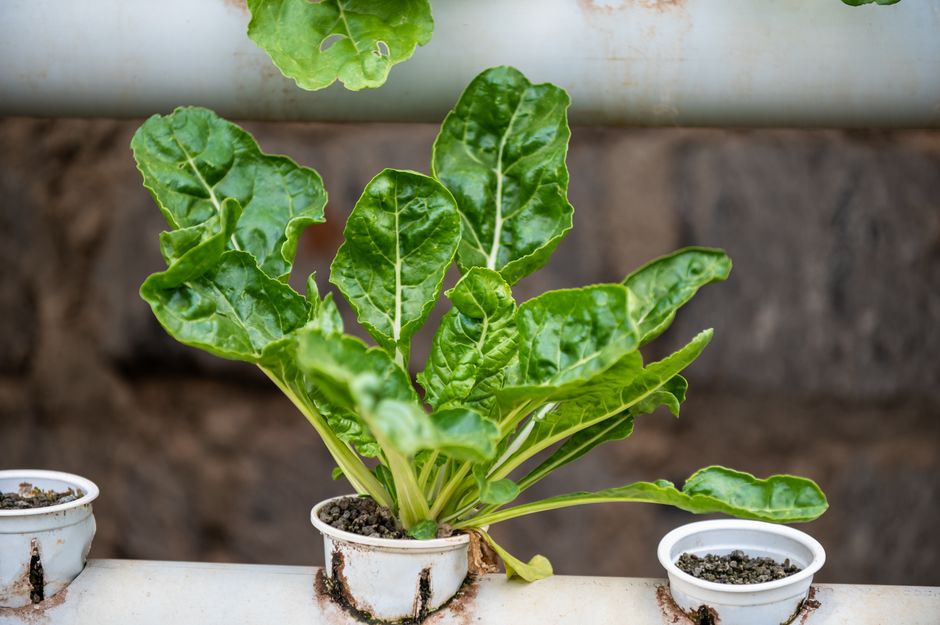
Build Your Vertical Indoor Garden: Small Space, Big Harvests
Dreaming of fresh herbs and greens but only have a tiny corner to spare? You're in the right place. A vertical indoor garden lets you grow more food in less space by stacking plants upwards instead of spreading them out horizontally. This smart gardening method is perfect for apartments, small kitchens, or even a sunny desk, turning unused vertical areas into lush, productive green zones. Get ready to transform your small space into a vibrant edible oasis!
Why Choose a Vertical Indoor Garden for Small Spaces?
Choosing a vertical indoor garden is an excellent way to maximize your growing potential when space is limited, allowing you to harvest fresh produce even in the smallest homes. These systems stack plants vertically, making efficient use of every inch. This means you can grow a surprising amount of food in an apartment, on a balcony, or even just a kitchen counter, turning previously unused areas into productive green zones.
Beyond saving space, vertical gardens offer other great benefits for home growers. They often reduce water usage, especially with hydroponic setups, as water can recirculate efficiently within the system. They also make gardening more accessible by bringing plants up to a comfortable working height, reducing bending and stooping. Plus, a wall of living plants can look beautiful, acting as natural decor, and even improve your indoor air quality by filtering toxins.
What Types of Vertical Indoor Gardens Can You Build?
You can build several types of vertical indoor gardens, from simple stacked pots to more advanced wall-mounted hydroponic systems, each suited for different spaces and skill levels. The best choice for you depends on your budget, available space, and the types of plants you want to grow, but there's a vertical solution for almost every home.
Stacked Planters and Tiered Systems
Stacked planters are perhaps the simplest and most common form of vertical gardening, using multiple pots that fit together in a vertical column. These often look like a tower of pots, where each tier sits slightly off-center from the one below, allowing light and water to reach all the plants evenly. They are fantastic for herbs, strawberries, or leafy greens, and you can place them on the floor, a sturdy table, or even a patio. You can buy ready-made stacking planters from garden stores or create your own with different sized pots and a central support rod for stability. Just make sure the base is wide enough to prevent tipping.
Wall-Mounted Planters and Pockets
Wall-mounted planters or fabric pockets turn an empty wall into a living garden, freeing up valuable floor or counter space. These systems attach directly to a wall and hold individual plants in separate compartments. Fabric pocket planters are lightweight, breathable, and excellent for herbs, small greens, and even some flowering plants like nasturtiums. Hard-shell wall planters can be more decorative and sturdy, sometimes featuring self-watering designs that minimize daily care. When installing, always make sure your wall can safely support the combined weight of the system, soil, plants, and water, using appropriate anchors.
DIY Hydroponic Towers
For a more advanced and often higher-yielding option, consider a DIY hydroponic tower, which uses water and nutrients to grow plants without soil. These systems typically involve a vertical pipe or column with openings for plants, where nutrient-rich water drips or flows down from the top, recirculating from a reservoir at the base. Building a hydroponic tower can be a rewarding weekend project and is incredibly efficient for growing a large quantity of leafy greens, strawberries, and some smaller fruiting plants in a tiny footprint. Remember to keep all electrical components, like pumps and timers, safely away from water spills to prevent hazards, and ensure your system is watertight.
Best Plants for Your Vertical Indoor Garden
The best plants for your vertical indoor garden are typically those with compact growth habits and shallow root systems, thriving in the unique conditions of a vertical setup. Leafy greens, herbs, and strawberries are excellent choices for almost any vertical system due to their manageable size and quick harvests.
Think about what you love to eat and what fits your space. Lettuce, spinach, kale, and other salad greens do wonderfully and can be harvested continually. Herbs like basil, mint, chives, and parsley are perfect for quick snips, adding fresh flavor to your meals. Strawberries are also a popular choice for vertical gardens because their fruit hangs freely, making harvesting easy and keeping them off the ground. Some smaller peppers or cherry tomatoes can work, especially in larger, sturdier vertical systems, but they may require more diligent pruning and support as they grow. For specific hydroponic towers, check out our guide on Best Plants for Beginner Hydroponics at Home to find ideal candidates.
Essential Considerations for Your Vertical Garden Setup
To ensure your vertical indoor garden thrives, pay close attention to lighting, watering, nutrients, and airflow, as these elements are crucial for plant health and productivity. Getting these right will make all the difference in your harvests and overall gardening success.
Lighting
Most edible plants need plenty of light, even in a vertical setup. If your vertical garden isn't near a bright south-facing window with at least 6-8 hours of direct sun, you will likely need supplemental lighting. LED grow lights are energy-efficient, produce little heat, and are highly effective for indoor growing. Position them carefully to ensure all levels and sides of your vertical garden receive adequate light exposure. This is especially important for lower tiers that might be shadowed by plants above. For more details on choosing the right fixtures, read our guide on What to Look For in LED Grow Lights.
Watering & Nutrients
Watering a vertical garden can be different from traditional potted plants. Stacked systems often allow water to drain from the top down, watering multiple plants at once, but be sure the top plants get enough water before it drains. Wall-mounted pockets, especially fabric ones, tend to dry out faster, so check them regularly, perhaps even daily. For hydroponic towers, a pump circulates nutrient-rich water automatically, making it generally low-maintenance. No matter your system, always use a balanced nutrient solution formulated for your specific plants. Follow the dosage instructions on your chosen nutrient product carefully, as too much or too little can harm your plants.
Airflow & Support
Good air circulation is vital to prevent fungal diseases like powdery mildew, especially in closely packed vertical systems where humidity can build up. A small oscillating fan can help move air gently around your plants, mimicking a natural breeze. This also strengthens plant stems. Also, consider how you will support plants as they grow. Some vertical systems have built-in supports, but for larger or vining plants like tomatoes or cucumbers, you might need to add stakes, trellises, or ties to keep them upright and prevent them from falling or shading lower plants.
Final Thoughts
Creating a thriving vertical indoor garden is a rewarding project that allows you to enjoy fresh, homegrown produce regardless of your living space. With a bit of planning, the right setup, and consistent care, you can turn any small area into a productive green haven, adding beauty and fresh food to your home. Explore more MicroVeg guides to continue your indoor growing journey and discover new ways to grow!
Frequently Asked Questions
Can I grow vegetables in a vertical indoor garden?
Yes, many vegetables with compact growth, like leafy greens, herbs, and even some small peppers or cherry tomatoes, are well-suited for vertical indoor gardens.
How often should I water a vertical garden?
Watering frequency depends on the type of system, plant needs, and environment, but generally, soil-based vertical gardens need daily to every-other-day checks, while hydroponic systems manage water automatically.
Do vertical indoor gardens need special grow lights?
Yes, if your vertical garden doesn't receive enough natural sunlight, LED grow lights are highly recommended to ensure all plants get the light they need for healthy growth.
Are vertical gardens suitable for beginners?
Absolutely. Simple stacked or pocket vertical gardens are very beginner-friendly, and even DIY hydroponic towers can be tackled by a novice with a good guide.
Explore More DIY Setups Guides
 DIY Setups
Kratky Hydroponics for Beginners: Easy No-Pump Setup
Discover Kratky hydroponics, a simple, passive method for growing fresh plants indoors without pumps or electricity, perfect for beginners.
 DIY Setups
Budget Grow Tent Alternatives: DIY Small Space Solutions
Explore smart, budget-friendly grow tent alternatives for your indoor plants, perfect for small spaces and home growers.
 DIY Setups
Build Your Own DIY DWC Hydroponics System
Learn how to easily build your own Deep Water Culture (DWC) hydroponics system for growing healthy plants indoors, even if you're a beginner.