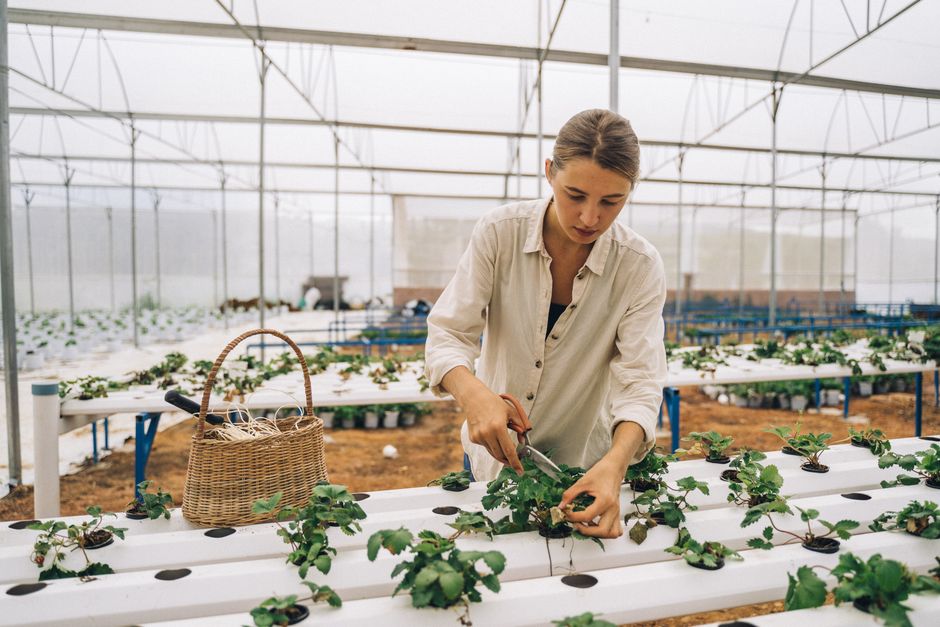
Kratky Hydroponics for Beginners: Easy No-Pump Setup
Ready to try hydroponics but feel intimidated by pumps, tubing, and complex setups? Kratky hydroponics for beginners offers a wonderfully simple, passive way to grow fresh food indoors. This method lets your plants thrive without any electricity, making it perfect for small spaces, budget-conscious growers, or anyone who loves a quiet, low-maintenance garden.
Kratky hydroponics is a non-circulating, passive deep water culture (DWC) system where plants are suspended above a nutrient solution. As the plant consumes water and nutrients, the solution level drops, naturally creating an air gap for roots to breathe. It's an ingenious, set-it-and-forget-it approach to indoor gardening.
What is Kratky Hydroponics and How Does It Work?
Kratky hydroponics is a passive growing technique that allows plants to grow in a nutrient-rich water solution without the need for pumps, air stones, or electricity. In this system, your plant's roots are partially submerged in the nutrient solution, while the top portion of the roots is exposed to air.
As the plant grows and consumes the nutrient solution, the water level in the container gradually drops. This falling water level continuously exposes new sections of the roots to oxygen, creating an essential air zone. This careful balance between water access and air exposure is key to the Kratky method's success.
Unlike active systems that constantly circulate water, the Kratky method is static. You set up your plant with its initial nutrient fill, and the plant essentially manages its own oxygen supply as the reservoir depletes. This makes it incredibly low-maintenance once established.
Why Choose Kratky Hydroponics for Your Home Garden?
Kratky hydroponics is an excellent choice for home growers because of its simplicity, cost-effectiveness, and quiet operation. It removes many of the common barriers to entry for those new to hydroponics.
First, there's no need for electricity. This means lower operating costs and the freedom to place your garden almost anywhere, even in spots without nearby outlets. You won't hear any humming pumps or bubbling air stones, ensuring a peaceful indoor environment.
The setup is also incredibly straightforward, requiring just a few basic materials that you might already have around the house. This makes it a perfect entry point for experimenting with growing beginner-friendly hydroponic plants like lettuce or herbs. It's truly a 'set it and forget it' method for a good portion of your plant's life cycle.
How Do You Build a Simple Kratky Hydroponics System?
Building a Kratky system is surprisingly simple and requires only a few common items. You can often repurpose containers you already own, making this an economical DIY project.
What You'll Need:
- **Opaque Container:** A jar, plastic tub, or bucket that blocks light. This prevents algae growth.
- **Net Pot:** A small mesh pot (usually 2-3 inches) to hold your plant.
- **Growing Medium:** Rockwool cubes, coco coir, or clay pebbles to support the plant in the net pot.
- **Hydroponic Nutrients:** A specially formulated liquid nutrient solution for hydroponic plants.
- **pH Testing Kit:** Strips or a digital meter to check your nutrient solution's acidity.
- **Water:** Clean, dechlorinated tap water or filtered water.
Step-by-Step Setup:
First, choose your container. It must be opaque to block light, which helps prevent unwanted algae from growing in your nutrient solution. A painted mason jar, an old food-grade bucket, or a dark plastic container all work well.
Next, cut a hole in the lid of your chosen container, just large enough for the net pot to sit snugly. The bottom of the net pot should hang down into the container by about an inch or two when the lid is in place. Always handle nutrient concentrates with care, following product safety guidelines, and wash your hands thoroughly after mixing.
Mix your hydroponic nutrient solution according to the package directions, using clean water. Fill your container with this solution, leaving about an inch of air gap between the bottom of your net pot and the top of the liquid. This initial air gap is crucial for seedling respiration.
Gently place your seedling (often started in a rockwool cube or coco coir plug) into the net pot, securing it with a bit of extra growing medium if needed. Position the net pot into the lid's hole, ensuring the roots are just touching or slightly submerged in the nutrient solution.
Place your newly assembled Kratky system under an appropriate grow light or in a sunny window. From this point, you mostly let the plant do its work. As the plant drinks, the water level will drop, creating the vital air zone for its roots.
What Plants Grow Best with the Kratky Method?
The Kratky method is particularly well-suited for fast-growing, non-fruiting plants that have moderate nutrient demands. Leafy greens and many herbs are perfect candidates because they typically don't require large volumes of nutrients or extended growth periods.
Excellent choices include various types of lettuce (like romaine, butterhead, or loose-leaf), spinach, kale, and Swiss chard. Many popular herbs such as basil, mint, cilantro, and parsley also thrive in a Kratky setup. These plants mature relatively quickly and have fibrous root systems that adapt well to the changing water level.
While some adventurous growers try fruiting plants like tomatoes or peppers, these often prove more challenging in Kratky systems. Fruiting plants typically have higher nutrient and water requirements, and they grow for much longer, which can lead to rapid nutrient depletion and system instability. For beginners, sticking to leafy greens and herbs is the most rewarding path, and remember to monitor your hydroponics pH for optimal health.
Common Kratky Hydroponics Mistakes and How to Avoid Them.
Even with its simplicity, home growers can make a few common mistakes when using the Kratky method. Knowing these pitfalls ahead of time will help ensure your system succeeds.
One frequent error is using clear containers. Clear containers allow light to reach your nutrient solution, which inevitably leads to algae growth. Algae competes with your plants for nutrients and can harm root health, so always use opaque containers or paint clear ones. For more solutions, check our guide on how to stop algae in hydroponics.
Another common mistake is refilling the reservoir too early or too often. The core of the Kratky method relies on the declining water level to create an air gap for roots. If you refill the container to the top too soon, you can drown the newly developed air roots, starving your plant of oxygen. Only refill the reservoir when the plant has significantly depleted the solution, or when starting a new plant.
Improper nutrient mixing and incorrect pH levels also cause issues. Always follow your nutrient manufacturer's directions precisely for mixing ratios. Regularly check your solution's pH and adjust it as needed to keep your plants healthy. These small steps make a big difference.
Final Thoughts
Kratky hydroponics for beginners offers an incredibly accessible and rewarding entry into the world of indoor gardening. By understanding its simple principles and avoiding common mistakes, you can enjoy a continuous harvest of fresh, homegrown produce without the complexities of active systems. We invite you to explore more MicroVeg guides and discover other ways to grow fresh food in your home.
Frequently Asked Questions
Can you use tap water for Kratky hydroponics?
Yes, you can use tap water for Kratky hydroponics, but it's best to let it sit out for 24 hours to allow chlorine to dissipate, or use a water filter.
How often do you add nutrients to a Kratky system?
In a Kratky system, you typically add nutrients only once at the beginning, filling the reservoir completely, and then allow the plant to consume the solution until it's depleted.
What size container is best for Kratky plants?
The best container size depends on the plant; smaller plants like lettuce can thrive in quart-sized jars, while larger plants may need gallon containers or even 5-gallon buckets.
Do Kratky systems need an air stone?
No, Kratky systems do not need an air stone or air pump because the method relies on the dropping water level to naturally create an oxygen rich air gap for the roots.
Explore More DIY Setups Guides
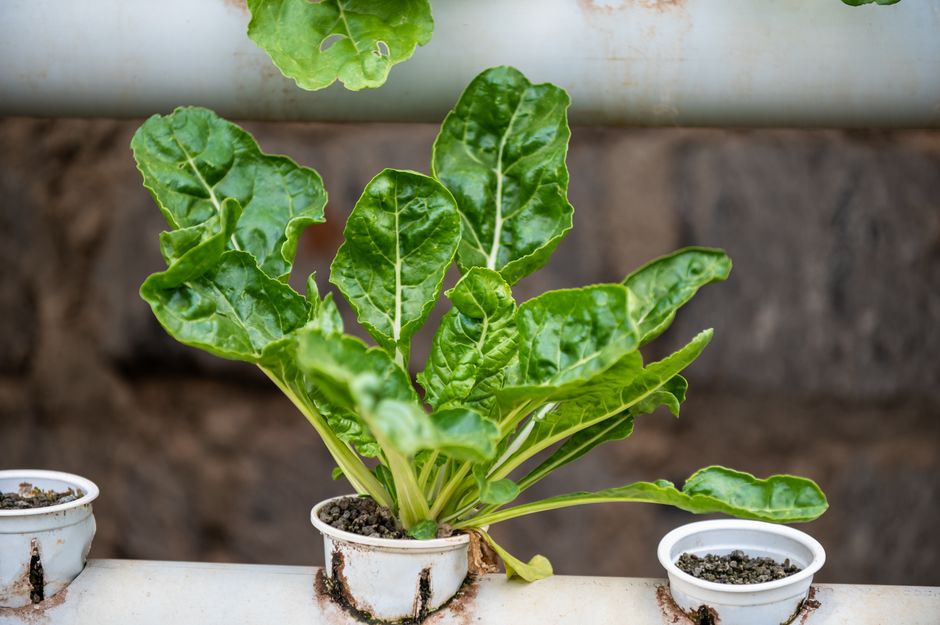 DIY Setups
Build Your Vertical Indoor Garden: Small Space, Big Harvests
Learn how to create a vertical indoor garden and grow more fresh food in even the smallest spaces.
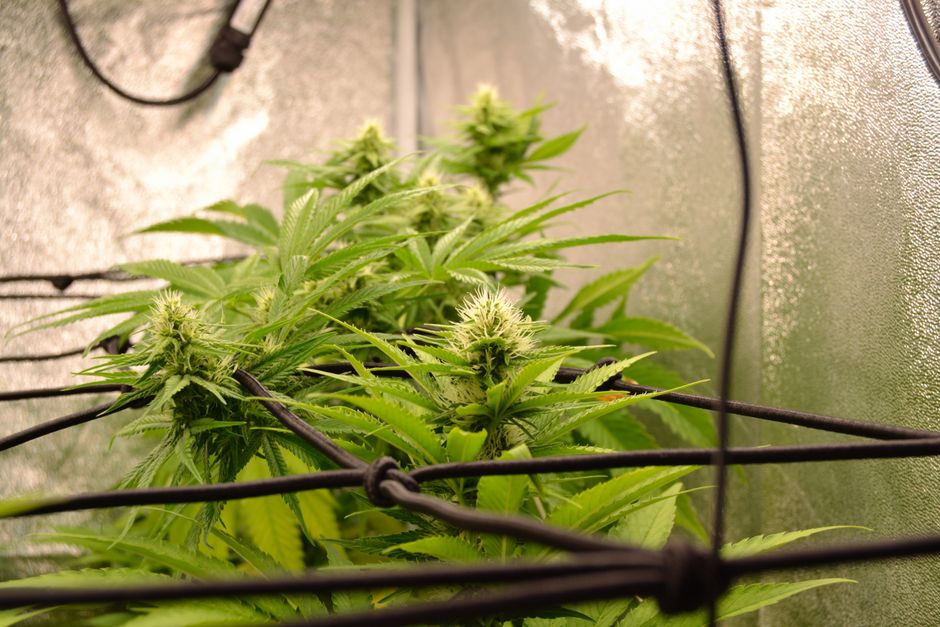 DIY Setups
Budget Grow Tent Alternatives: DIY Small Space Solutions
Explore smart, budget-friendly grow tent alternatives for your indoor plants, perfect for small spaces and home growers.
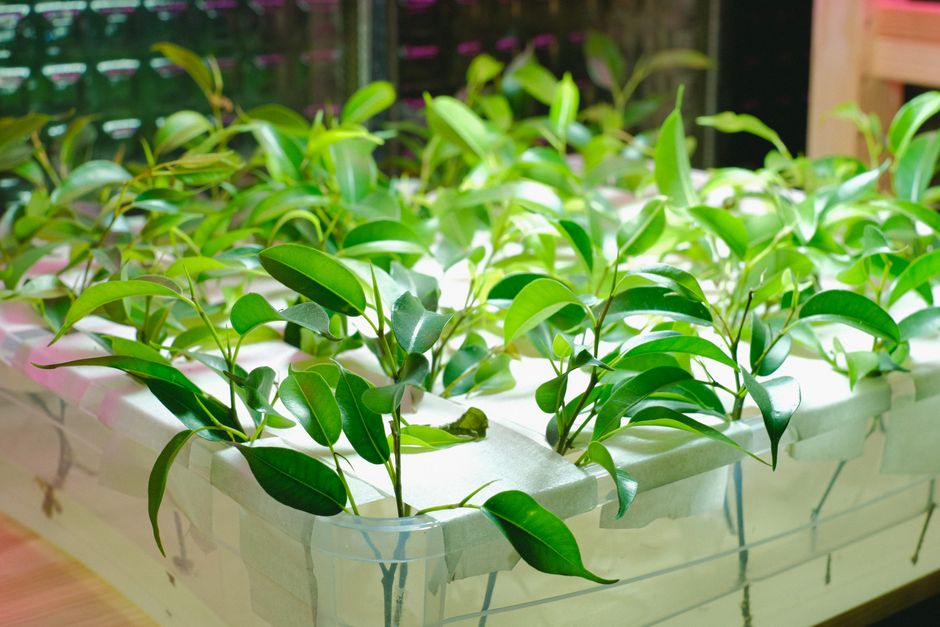 DIY Setups
Build Your Own DIY DWC Hydroponics System
Learn how to easily build your own Deep Water Culture (DWC) hydroponics system for growing healthy plants indoors, even if you're a beginner.