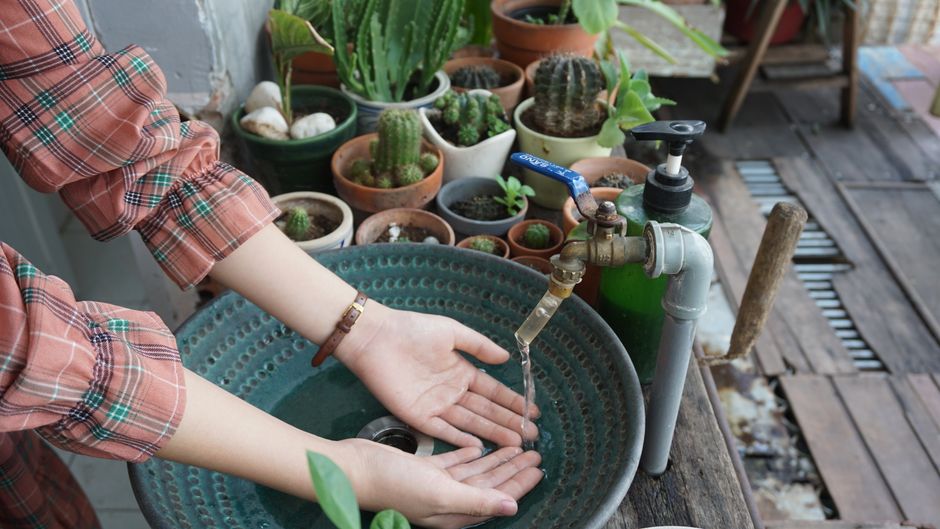
Can You Use Tap Water for Hydroponics? Simple Guide
Starting an indoor garden brings up many basic practical questions about water quality and plant care. Many new growers wonder: can you use tap water for hydroponics, or do you need expensive bottled water? The good news is that most growers can use standard tap water right from the kitchen faucet with just a few basic adjustments.
Is Tap Water Safe for Hydroponic Plants?
Yes, tap water is safe for most hydroponic plants as long as it does not contain high levels of dissolved minerals or harsh sanitizing chemicals. Most public water systems supply water that is completely fine for growing healthy herbs and leafy greens at home. You do not need to buy special bottled water when you first start your indoor garden.
However, tap water varies widely depending on where you live. Water from municipal supplies usually contains chlorine or chloramines to prevent bacteria in city pipes. Well water often contains high amounts of minerals like calcium, magnesium, and iron from underground rocks. Understanding what comes out of your faucet helps you prevent root problems before you fill your reservoir.
When you grow indoor crops, starting with decent water ensures your plants absorb plant nutrients evenly. If you pick sturdy crops like those in our guide on 10 best hydroponic plants for beginners to grow, treated tap water usually provides great results with very little fuss.
How Does Chlorine in Tap Water Affect Hydroponics?
Chlorine and chloramines added by municipal water plants can damage sensitive root tissue and kill beneficial microbes in your nutrient solution. While small amounts of chlorine make drinking water safe for humans, plants are far more sensitive to chemical sanitizers. Over time, high chemical levels cause delicate root tips to brown and slow down overall plant growth.
How to Dechlorinate Tap Water at Home
Removing chlorine from your tap water is fast and simple. If your local water treatment facility uses standard chlorine gas, you can remove it by leaving water in an open bucket for 24 hours. The gas naturally evaporates into the air, leaving clean water behind for your plant reservoir.
If your city uses chloramines, sitting open in a bucket will not work because chloramines do not evaporate quickly. Instead, you can use an inline carbon filter attached to your faucet. Alternatively, a few drops of standard aquarium dechlorinator or vitamin C powder will neutralize chloramines in just a few minutes.
What Water Hardness Means for Indoor Crops
Hard tap water contains higher concentrations of dissolved minerals, mainly calcium and magnesium, which can throw off your fertilizer balance. When water has too many extra minerals, it leaves white crusty deposits on your pump, tub, and clay pebbles. It can also block plant roots from absorbing other vital plant foods like potassium and phosphorus.
If your home has soft water, it means the water has a low mineral content. Soft natural water is great for hydroponics, but you must watch out for water from home water softeners. Home water softeners replace hard minerals with sodium chloride, which can build up and harm plant roots. Never fill your reservoir directly from a faucet attached to a salt based water softener.
How to Test Your Tap Water Quality
Testing your tap water gives you a clear baseline before you mix in plant food. You can purchase an inexpensive digital meter to check total dissolved solids, or you can look up your local municipal water report online. Knowing your baseline water reading makes it much easier to learn how to mix hydroponic nutrients without accidentally overfeeding your crops.
When Should You Use Filtered Water Instead of Tap Water?
You should switch to filtered water or reverse osmosis water if your tap water leaves thick white crust on equipment, smells heavily of chemicals, or consistently causes yellow leaves. If your tap water tastes very salty or metallic, your plants will likely struggle to grow properly in it as well.
Using clean water keeps your pumps and tubing running smoothly for months. Always keep electrical cords, timers, and air pumps completely dry and away from water spills while filling your system or testing water quality. Keeping water away from electrical plugs prevents short circuits and keeps your indoor garden safe.
If you ever run into ongoing root issues, switching from tap water to filtered water for one grow cycle helps rule out water quality issues. Once your water is clean and balanced, remember to follow a regular schedule for how often to change hydroponic water so mineral residues do not accumulate over time.
Step-by-Step Guide to Prepare Tap Water for Hydroponics
Preparing tap water properly before filling your reservoir takes just five easy steps that protect your plant roots and keep growth steady.
Here is the simple step-by-step process:
- Fill clean buckets with tap water and let them sit uncovered for 24 hours to let standard chlorine evaporate naturally.
- Check the water temperature to make sure it matches room temperature before adding it to your system.
- Use a digital water meter to test the baseline mineral level of your plain tap water.
- Add your hydroponic liquid nutrients according to the dosage instructions on the product bottle.
- Measure and adjust the pH level last using a simple drop test kit or digital pH pen to ensure optimal nutrient absorption.
Common Tap Water Problems and Easy Fixes
Tap water problems usually show up directly on plant leaves and root systems within a week or two. Recognizing the signs early lets you correct the issue before your crop suffers major damage.
Here are the most common tap water problems and how to solve them:
- White crust on pots or fittings: Caused by hard water minerals. Fix by wiping equipment clean and using filtered water or diluted tap water.
- Brown or slimy root tips: Caused by chlorine burns or hot tap water. Fix by letting water sit open to off-gas and ensuring water reaches room temperature.
- Slow growth and yellow leaves: Caused by salt from water softeners or incorrect pH. Fix by bypassing water softeners and adjusting pH after mixing plant food.
Final Thoughts
Learning can you use tap water for hydroponics helps you start growing fresh greens without spending extra money on bottled water. Taking a few extra minutes to let your tap water sit and checking basic levels gives your plants the ideal setup to produce heavy harvests. Explore our other MicroVeg guides to discover simple indoor growing methods and build your dream home garden today.
Frequently Asked Questions
Do I need to boil tap water before using it in hydroponics?
No, boiling tap water is not necessary and will not remove minerals or chloramines. Letting water sit open for 24 hours or using a charcoal filter is much more effective.
Can I use water from a home water softener for hydroponics?
No, home water softeners add sodium to the water, which damages plant roots. Use an outdoor unsoftened tap or bypassed faucet instead.
Is rain water better than tap water for hydroponics?
Rain water is naturally soft and free of chlorine, making it great for hydroponics if collected in clean containers. However, clean tap water treated for chlorine works just as well for most home setups.
How long can tap water sit in a reservoir before spoiling?
Tap water mixed with hydroponic nutrients stays fresh in a clean reservoir for up to two weeks. After two weeks, replace the water to prevent bacteria buildup and nutrient imbalances.
Explore More Hydroponics Guides
 Hydroponics
Kratky vs Deep Water Culture: Which Hydroponic System is Right?
Choosing between Kratky and Deep Water Culture (DWC) hydroponics depends on your space, budget, and how hands-on you want to be.
 Hydroponics
How Often Should You Change Hydroponic Water?
Regularly refreshing your hydroponic nutrient reservoir is crucial for plant health, preventing imbalances, algae, and root diseases.
 Hydroponics
Set Up Your Basic Hydroponic System: A Beginner's Guide
Learn how to easily set up a basic hydroponic system at home and start growing fresh plants without soil, even if you are a complete beginner.