10 Best Hydroponic Plants for Beginners to Grow
Starting an indoor garden without soil is much easier than most people expect. Choosing the right crops makes a huge difference when setting up your first water system. Here is a guide to the best hydroponic plants for beginners so you can harvest fresh greens indoors with confidence.
What Makes a Plant Good for Beginner Hydroponics?
Fast growth, small root systems, and low feeding requirements make certain crops ideal for beginner growers. Plants that reach harvest size quickly give you immediate feedback and help build confidence. You do not need expensive commercial setups or complicated pruning techniques to get great results from simple greens.
Leafy crops and small culinary herbs thrive in simple non-circulating water buckets or modest air-pump systems. They stay short, require minimal training, and keep working even if your water parameters drift slightly while you are learning.
Leafy Greens vs Flowering Crops
Leafy greens direct all their energy into stems and foliage. They need low to moderate lighting strength and modest amounts of plant food. You can harvest individual outer leaves continuously over several weeks without killing the plant.
Flowering crops like tomatoes, cucumbers, and peppers require much more attention. They need higher light intensity, careful branch support, hand pollination, and delicate nutrient adjustments to set fruit. Starting with leafy greens keeps your learning curve smooth and stress-free.
What Are the Best Hydroponic Plants for Beginners?
The best hydroponic plants for beginners bounce back quickly from minor water issues and produce heavy harvests in compact indoor spaces. Here are ten top options to start growing right now.
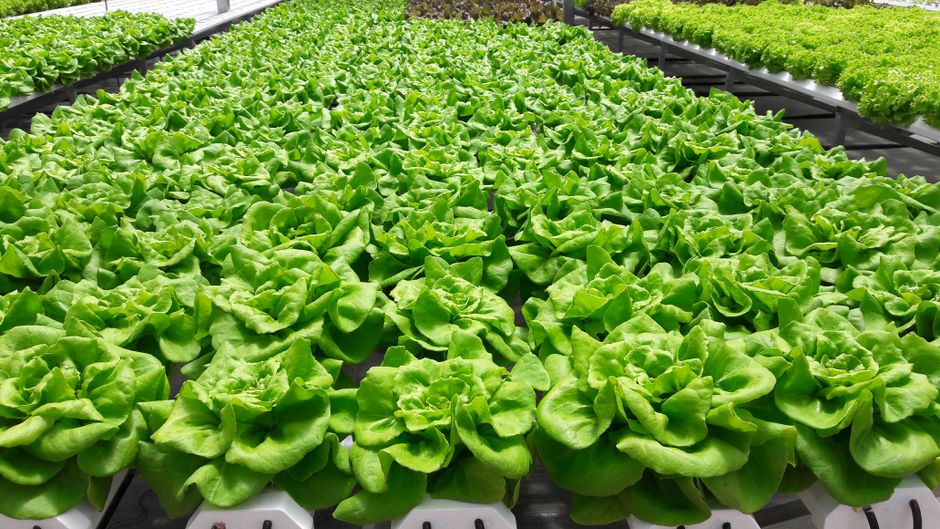
- Butterhead Lettuce: Soft leaves, fast root development, and high tolerance for minor growing mistakes make this the absolute best starting crop.
- Genovese Basil: Loves warm water reservoirs and branches heavily when you trim the top leaves regularly.
- Spinach: Grows rapidly in cool indoor spots and provides tender leaves for fresh salads or cooking.
- Spearmint: Extremely hardy plant that roots readily from fresh store-bought stems placed directly into liquid plant food.
- Swiss Chard: Colorful crop that accepts a wide range of nutrient strength while standing up well to warm indoor air.
- Kale: Tough, pest-resistant plant that yields dense, dark leaves under standard indoor light fixtures.
- Green Onions: Growing store-bought scallion roots in clean water is one of the fastest kitchen projects you can do. You can follow our guide on how to grow green onions in water for exact root positioning steps.
- Arugula: Delivers a sharp, peppery flavor and reaches harvesting size in just a few weeks from seed germination.
- Parsley: Slow to germinate initially, but creates dense clumps of fresh leaves that regrow rapidly after trimming.
- Cilantro: Thrives in liquid nutrients during cool room temperatures, giving you continuous pickings for kitchen dishes.
When maintaining fast-growing crops like lettuce or arugula, paying attention to water hygiene is essential. Check our detailed guide on how often to change hydroponic water to keep your nutrient bath clean and root systems supplied with dissolved oxygen.
How Do You Choose the Right Setup for These Plants?
Matching your plant choice to your available equipment prevents wasted effort and money. Leafy greens like lettuce work remarkably well in basic deep water culture setups or simple static water containers. You do not need high-pressure sprayers or commercial plumbing to grow full heads of salad greens.
For small spaces, simple water buckets with net pots inserted into the lid offer an inexpensive entry point. You can assemble a custom bucket system easily by exploring our step-by-step DIY hydroponic bucket system tutorial.
Lighting and Safety Basics
Indoor herbs and greens need consistent illumination to grow compact, dark leaves. Set up your lighting system to run automatically every day using an inexpensive outlet timer. Always review an established LED grow light schedule so your plants receive adequate rest periods overnight.
Safety is critical whenever water and electricity operate near each other indoors. Mount power strips, light ballasts, and air pumps elevated high above floor level to prevent water drops from splashing into live electrical outlets during reservoir top-offs.
What Common Mistakes Should Beginner Hydroponic Growers Avoid?
New indoor gardeners often encounter a few predictable stumbling blocks during their first few crops. Recognizing these issues early protects your crop health and saves money on plant supplies.
- Placing Seeds Directly Into Full-Strength Food: Young seedlings need gentle moisture first. Learn when to put seedlings under grow lights and keep liquid nutrients mild until strong primary roots exit the net pot.
- Ignoring Water pH Shifts: Nutrient uptake depends heavily on liquid acidity levels. Read up on why is hydroponic pH rising so you can identify nutrient lockouts before leaves turn pale or brown.
- Crowding Net Pots: Planting too close together blocks air flow around stems, creating damp pockets that invite root rot and leaf mold.
- Overharvesting Young Plants: Always leave at least one third of the central growth intact when picking leaves so the plant can continue generating food.
Pay close attention to manufacturer recommendations on nutrient bottles instead of guessing dosage amounts. Overfeeding tender herb seedlings with heavy mineral salts burns root tips quickly and stunts top growth.
Final Thoughts
Selecting the best hydroponic plants for beginners guarantees quick wins and fresh harvests right from your kitchen counter. Starting with simple greens like butterhead lettuce, basil, and mint keeps your system easy to operate while you learn nutrient balance. Check out the rest of our MicroVeg guides to master grow lights, water care, and clean indoor growing techniques.
Frequently Asked Questions
Can beginners grow tomatoes hydroponically?
Yes, but compact dwarf varieties are much easier for beginners than tall vine tomatoes. Fruiting crops require stronger lights, branch supports, and precise nutrient monitoring.
How long do hydroponic greens take to grow?
Most leafy greens take three to six weeks from seed germination to your first harvest. Fast crops like green onions and lettuce show harvestable growth even faster.
Do beginner hydroponic plants need direct sunlight?
No, standard indoor LED grow lights provide optimal light spectrums for hydroponic plants. Artificial lights offer consistent daily hours without reliance on window light.
What is the easiest hydroponic plant to start with?
Butterhead lettuce is widely considered the easiest hydroponic crop for beginners. It develops quickly, tolerates mild growing mistakes, and produces clean salad leaves indoors.
Explore More Hydroponics Guides
 Hydroponics
Kratky vs Deep Water Culture: Which Hydroponic System is Right?
Choosing between Kratky and Deep Water Culture (DWC) hydroponics depends on your space, budget, and how hands-on you want to be.
 Hydroponics
How Often Should You Change Hydroponic Water?
Regularly refreshing your hydroponic nutrient reservoir is crucial for plant health, preventing imbalances, algae, and root diseases.
 Hydroponics
Set Up Your Basic Hydroponic System: A Beginner's Guide
Learn how to easily set up a basic hydroponic system at home and start growing fresh plants without soil, even if you are a complete beginner.