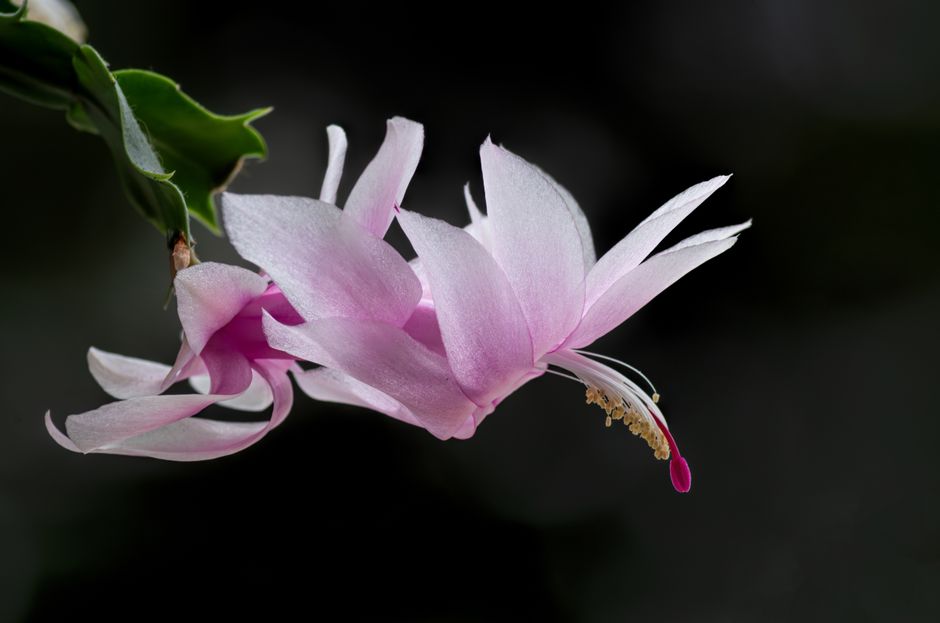
Christmas Cactus Bloom: 3 Secrets for Indoor Growers
Christmas Cactus Bloom: 3 Secrets for Indoor Growers
Getting your Christmas cactus to bloom can feel like a mystery, but it's simpler than you think. Many home growers find their plant thriving but never showing those beautiful, festive flowers. A Christmas cactus bloom happens when your plant experiences specific environmental cues, primarily changes in light, temperature, and watering, that signal it's time to prepare for flowering. These flowering plants offer a spectacular display of colorful blooms just in time for the winter holidays. With just a few practical adjustments, you can encourage your indoor plant to put on a spectacular holiday display.
What Does a Christmas Cactus Need to Bloom?
A Christmas cactus needs three specific environmental conditions to reliably produce its stunning winter flowers: consistent darkness, cooler temperatures, and a period of reduced watering. These conditions mimic its natural habitat, signaling the plant to enter a reproductive cycle rather than just vegetative growth. Understanding these needs is key to successful indoor blooming.
For centuries, these epiphytic cacti have adapted to specific seasonal changes. When grown indoors, we need to recreate these signals to prompt them into their blooming phase. Focusing on these three core requirements will set your plant up for success, transforming it into a vibrant focal point for your container gardening efforts.
The Magic of Darkness: Light Cycles for Blooms
To trigger a Christmas cactus bloom, your plant requires a period of short days and long, uninterrupted nights, typically 12 to 14 hours of darkness daily for about six to eight weeks. This photoperiod sensitivity is crucial; even brief interruptions by artificial light can reset the flowering process. For indoor growers, achieving this consistent darkness is a primary step in bloom production.
The consistent, prolonged dark period tells the plant that winter is coming. In its natural environment, shorter days mean less sunlight. Your indoor holiday cactus needs to experience this same signal. Any light, even a small lamp or street light glow, can confuse the plant and prevent bud formation.
Achieving Darkness Indoors
Place your Christmas cactus in a room where it won't receive light from lamps, televisions, or even streetlights after dusk. A spare bedroom or a closet works well for this purpose. You can also use a light-blocking cover, like a dark cloth or cardboard box, over the plant for the nighttime hours. Make sure the cover does not trap too much heat or restrict air circulation around the plant.
Start this routine in early fall, around September or October, to prepare for winter blooms. Consistency is more important than extreme darkness; a dimly lit room might suffice if absolutely no artificial light hits it. Consider using a simple timer for any nearby grow lights for other plants, ensuring your Christmas cactus gets its uninterrupted beauty sleep.
Cool Temperatures: Triggering Festive Flowers
Cooler temperatures play a vital role in encouraging a Christmas cactus bloom, signaling the plant that winter is approaching and it's time to flower. Ideal temperatures for bud formation range from 50 to 55 degrees Fahrenheit (10 to 13 degrees Celsius) during the nighttime, with slightly warmer daytime temperatures. Your plant will appreciate a noticeable drop in temperature compared to its usual growing conditions.
This temperature drop works in conjunction with the darkness to tell the plant it's time to shift its energy towards reproduction. Without this cool period, even perfect light cycles might not be enough to initiate blooming. Think of it as a gentle nudge into its natural winter cycle.
Finding a Cool Spot
For indoor plants, this often means moving your Christmas cactus to a cooler part of your home. Consider placing it near a window that gets some evening chill, or in a room that isn't as heavily heated. Avoid placing it directly next to heat vents or radiators, which can dry out the plant and prevent bud development. Ensure the temperature change is gradual, not sudden, to avoid stressing the plant.
While Christmas cacti enjoy some humidity, especially during active growth, the focus during the pre-bloom phase is on consistent, cooler temperatures. A slightly cooler, less humid spot during this period is better than a warm, humid one if you are aiming for blooms.
Watering and Rest: The Dormancy Period
A crucial component for a successful Christmas cactus bloom is a period of reduced watering, which allows the plant to enter a necessary semi-dormant state. During this time, which coincides with the cooler temperatures and shortened days, the plant conserves energy and focuses on bud development rather than active growth. You should significantly cut back on watering for six to eight weeks before you want blooms to appear.
This drier period mimics the natural dry season many epiphytic cacti experience. It tells the plant to stop putting energy into foliage growth and redirect it towards flower production. It is not about completely drying out the plant, but rather providing less moisture than during its active growing phase.
When and How to Water Less
From early fall, allow the top inch or two of soil to dry out completely before watering again. When you do water, do so thoroughly, but then wait longer than usual before the next watering. The goal is to keep the soil on the drier side, but not completely parched. Once flower buds begin to form, you can gradually resume more regular watering, keeping the soil consistently moist but never soggy. Overwatering during dormancy can lead to root rot, which is detrimental to your plant's health and ability to bloom. Always keep electrical timers and pumps away from water spills to prevent hazards, especially if you use any automated systems for other plants nearby.
Feeding Your Christmas Cactus for Future Blooms
While reduced watering is key for dormancy, your Christmas cactus still benefits from proper nutrition during its active growth and pre-bloom periods. Use a balanced liquid fertilizer, specifically formulated for houseplants or cacti, at half strength every two to four weeks during spring and summer. Stop fertilizing completely during the dormancy period to support bloom formation. For general indoor plant health, consistent care helps.
Potting and General Care for a Happy Plant
Beyond the specific blooming triggers, proper general care ensures your Christmas cactus remains healthy and ready to produce flowers year after year. A healthy plant is always more likely to bloom. This involves paying attention to its potting environment and overall well-being.
Choosing the Right Pot and Soil
Christmas cacti thrive in well-draining soil mixes. A standard cactus or succulent potting mix works well, or you can create your own by blending regular potting soil with perlite or coarse sand for improved drainage. Ensure your pot has drainage holes. Without them, water can accumulate, leading to root rot. These plants do not like to sit in soggy conditions.
They also prefer to be slightly root-bound, so avoid repotting into a much larger pot unless absolutely necessary. A pot that is too big holds too much moisture, which can be detrimental. For successful container gardening, always prioritize good drainage.
Repotting and Pruning
Repot your Christmas cactus every two to three years, ideally after it has finished blooming in late winter or early spring. This gives the plant time to settle into its new home before its next growth cycle. When repotting, refresh the soil and consider increasing the pot size by just one inch if the plant is truly root-bound.
Light pruning in late spring or early summer can encourage bushier growth and more branching, which ultimately means more potential bloom sites for your indoor cactus care efforts. Snip off a few stem segments at the joints to shape your plant and remove any leggy or damaged sections. This also helps with air circulation. For general plant health, consistent monitoring can prevent issues. Learn more about keeping indoor garden pests away to protect all your houseplants.
After the Bloom: What's Next?
Once your Christmas cactus has finished its magnificent bloom display, you can help it prepare for next year's show. Remove any spent flowers by gently twisting them off the stem. This keeps the plant looking tidy and directs its energy back into foliage growth.
After blooming, your plant enters a period of rest before its active growth phase. You can gradually increase watering and begin a regular fertilization schedule again. Place it back in a bright spot, away from direct, harsh sunlight, and enjoy its lush green foliage until it's time to prepare for its next winter blooming plants cycle.
Final Thoughts
Getting your Christmas cactus to bloom is a rewarding experience that transforms your indoor space with vibrant color. By focusing on the essential elements of darkness, cool temperatures, and strategic watering, you can easily encourage your plant to flower year after year. Explore other MicroVeg guides to discover more ways to create a thriving indoor garden.
Frequently Asked Questions
How often should I water my Christmas cactus?
During active growth (spring/summer), water when the top inch of soil feels dry. During dormancy (fall), allow the top two inches to dry out before watering sparingly.
Why isn't my Christmas cactus blooming?
Most often, a Christmas cactus fails to bloom due to insufficient darkness, temperatures that are too warm, or inconsistent watering during its crucial pre-bloom period in the fall.
When should I start preparing my Christmas cactus for blooms?
Begin preparing your Christmas cactus in early fall, usually around September or October, by reducing light, lowering temperatures, and decreasing watering to trigger bud formation.
Can I move my Christmas cactus while it has buds?
It is best to avoid moving your Christmas cactus once buds have formed, as changes in light or environment can stress the plant and cause the buds to drop prematurely.
Explore More Plant Care Guides
 Plant Care
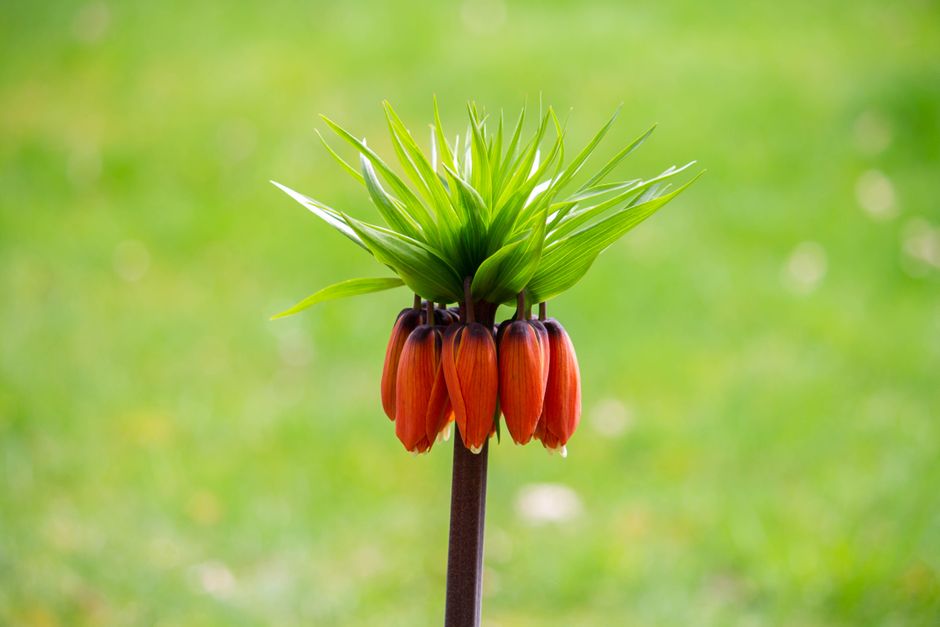
Crown Imperial Indoors: Can This Showstopper Thrive?
Learn if the magnificent Crown Imperial can truly thrive in your indoor container garden or on your balcony, and what challenges you might face.
 Plant Care
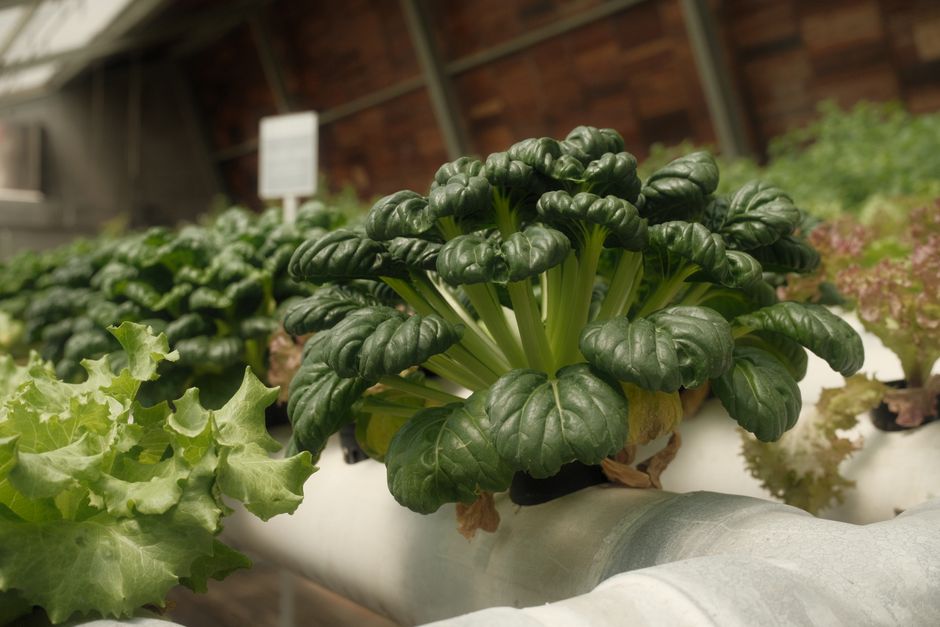
Prevent Algae in Hydroponics: Your Guide to Clean Systems
Discover simple, effective strategies to prevent algae in hydroponics and keep your indoor gardening system clean and your plants thriving.
 Plant Care
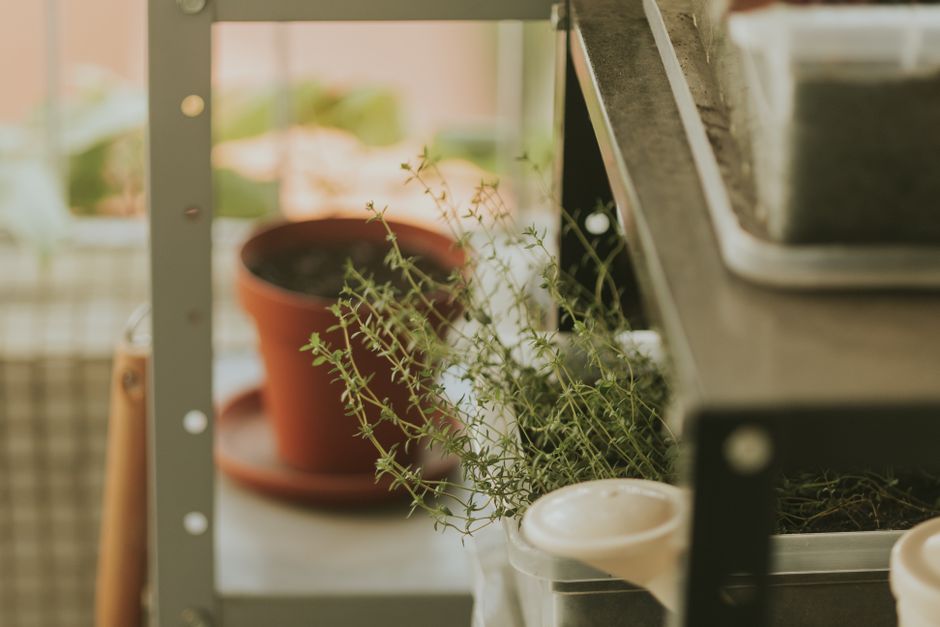
Keep Indoor Garden Pests Away: Your Small Space Guide
Discover how to identify, prevent, and safely treat common indoor garden pests to keep your small space plants healthy and thriving.