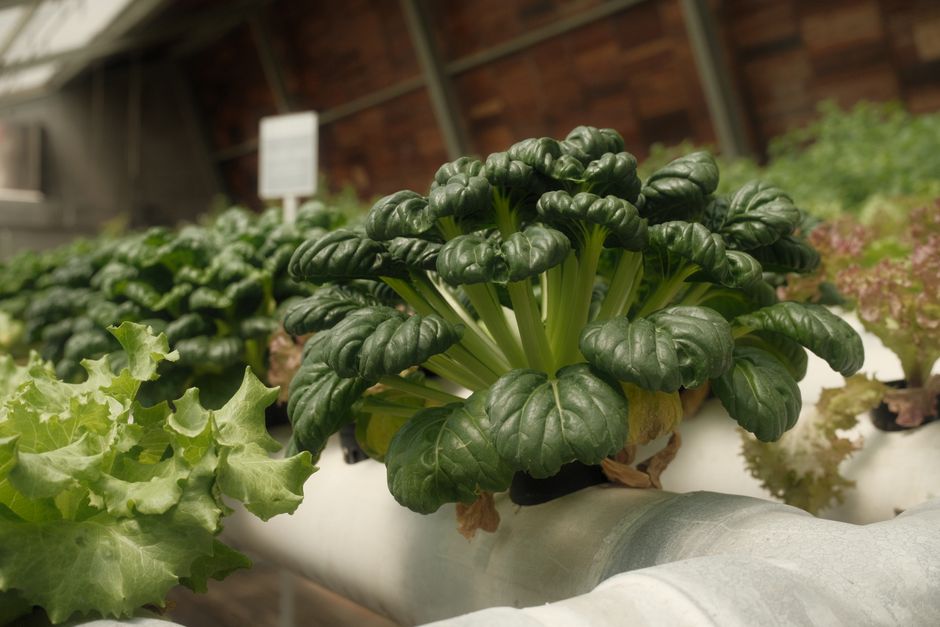
Prevent Algae in Hydroponics: Your Guide to Clean Systems
Seeing green slime in your hydroponic system is a common headache for home growers. This unwelcome visitor, usually algae, can quickly turn your clean setup into a murky mess. Learning how to prevent algae in hydroponics is key to maintaining a healthy, thriving indoor garden.
Algae are simple, plant-like organisms that flourish in moist, light-exposed environments. In hydroponics, they appear as green or brown slime on reservoir walls, tubing, or even plant roots, competing directly with your beloved plants for vital resources.
What Causes Algae to Grow in Hydroponics?
Algae grows in hydroponics primarily when three conditions are met: the presence of light, water, and nutrients. Your hydroponic system provides a perfect breeding ground if left exposed.
The most significant factor is light exposure to the nutrient solution or root zone. Algae, like plants, perform photosynthesis, using light as energy. If your reservoir or nutrient lines are transparent or exposed, light easily penetrates, encouraging algae spores to germinate and grow.
Excess nutrients in the water can also contribute, as algae readily consume them. Warm water temperatures further accelerate algae growth, creating an ideal environment for rapid proliferation. Any combination of these factors can lead to an algae outbreak.
Why Is Algae a Problem for Your Hydroponic Plants?
Algae is a problem for your hydroponic plants because it competes directly with them for essential nutrients and dissolved oxygen. This competition can significantly hinder your plants' growth and overall health.
As algae multiply, they consume the same nutrient solution that your plants need to thrive. This depletion means less food is available for your crops, potentially leading to nutrient deficiencies. Algae also consume dissolved oxygen in the water, especially at night when they respire. Reduced oxygen levels can stress plant roots, making them more susceptible to diseases like root rot. Furthermore, a thick layer of algae can clog pumps, filters, and irrigation lines, leading to system malfunctions and uneven nutrient delivery. Algae can also cause pH fluctuations in your nutrient solution, adding another layer of stress for your plants.
How Can You Prevent Algae Growth in Your Hydroponic System?
You can prevent algae growth in your hydroponic system by consistently blocking light from reaching the nutrient solution and maintaining a clean growing environment. These are the two most crucial steps for long-term algae control.
Block Out the Light
The most effective strategy to prevent algae is to eliminate its primary energy source: light. If algae cannot photosynthesize, it cannot grow.
- Cover Your Reservoir: Always use opaque reservoirs or cover any transparent ones completely. Dark-colored plastic or even painting the outside of a clear container can work. You can also use reflective material or aluminum foil to block light while reflecting heat away.
- Opaque Tubing and Components: Ensure all tubing, pipes, and other components that come into contact with your nutrient solution are opaque. Clear or translucent parts are prime targets for algae growth.
- Use Light-Blocking Growing Media: Your growing medium should also help block light from reaching the root zone. Materials like rockwool, coco coir, or clay pebbles naturally provide a dark environment for roots while allowing proper aeration. Make sure no direct light hits the top surface of your medium around the plant stem.
Always make sure electrical timers, pumps, and cords are kept dry and away from water spills to prevent hazards. Safety first in your indoor garden.
Maintain Your System Properly
Beyond blocking light, good hygiene and system management are vital for preventing algae.
Regular cleaning is essential. Even with light blocked, stray spores can find a way in. Cleaning your hydroponic reservoir thoroughly every time you change your nutrient solution helps remove any developing algae before it becomes a problem. Scrub all surfaces and rinse components well.
Proper nutrient strength is also important. Follow the dosage instructions on your nutrient bottle carefully. Over-fertilizing can lead to excess nutrients in the water, providing more food for potential algae. Regularly check your nutrient solution's pH and adjust it as needed to keep your plants happy and discourage algae.
Maintaining an ideal water temperature, as discussed in our guide on Ideal Hydroponic Water Temperature, also helps. Cooler water generally slows down algae growth, making your system less hospitable for it. Good air circulation around your plants can also help manage humidity, which indirectly reduces overall microbial growth in the grow space.
What If You Already Have Algae in Your Hydroponic System?
If you already have algae in your hydroponic system, you need to act quickly to remove it and then reinforce your prevention methods. Early intervention can save your plants from significant stress.
The first step is to clean your system thoroughly. Start by draining your entire nutrient solution. Remove your plants and gently rinse their roots with plain water if algae is visible on them. Then, manually scrub your reservoir, tubing, and any other affected components to remove all visible algae. You can use a soft brush or sponge, and a mild hydrogen peroxide solution (follow product instructions for dilution) can help disinfect surfaces, but make sure to rinse everything thoroughly with clean water afterward before refilling.
Once clean, refill your system with fresh water and a properly mixed nutrient solution. Immediately re-evaluate how light is reaching your system. Look for any cracks, gaps, or transparent sections that might be letting light in. Cover these areas completely to prevent a recurrence. Consider adding beneficial microbes to your system, as some formulations can help outcompete harmful organisms like algae, though this is a supplemental step to good light blocking.
- Drain your nutrient solution completely.
- Scrub the reservoir and all components to remove visible algae.
- Gently rinse plant roots if algae is visible on them, using plain water.
- Refill with fresh water and a correctly measured nutrient solution.
- Immediately address any light leaks or exposed areas in your system.
Final Thoughts
Preventing algae in hydroponics is one of the easiest ways to ensure the long-term health and productivity of your indoor garden. By consistently blocking light from your nutrient solution and maintaining a clean system, you can avoid the headaches of algae growth and enjoy fresh, healthy harvests. Explore more MicroVeg guides for additional tips and tricks to keep your indoor garden thriving.
Frequently Asked Questions
Is green algae in hydroponics harmful?
Yes, green algae in hydroponics is harmful because it competes with your plants for nutrients and dissolved oxygen, potentially stunting growth and causing root issues.
Can I use hydrogen peroxide to kill algae in hydroponics?
Yes, a diluted hydrogen peroxide solution can be used to clean and kill algae in your system, but always follow product instructions carefully and rinse thoroughly before reintroducing plants.
How often should I clean my hydroponic reservoir to prevent algae?
You should aim to clean your hydroponic reservoir thoroughly every time you change your nutrient solution, typically every 1-2 weeks, to prevent algae buildup.
Does water temperature affect algae growth in hydroponics?
Yes, warmer water temperatures can significantly accelerate algae growth, making it important to keep your hydroponic solution within the ideal temperature range for your plants.
Explore More Plant Care Guides
 Plant Care
Crown Imperial Indoors: Can This Showstopper Thrive?
Learn if the magnificent Crown Imperial can truly thrive in your indoor container garden or on your balcony, and what challenges you might face.
 Plant Care
Christmas Cactus Bloom: 3 Secrets for Indoor Growers
Learn the simple, practical secrets to make your Christmas cactus bloom beautifully indoors, turning your home into a festive display.
 Plant Care
Keep Indoor Garden Pests Away: Your Small Space Guide
Discover how to identify, prevent, and safely treat common indoor garden pests to keep your small space plants healthy and thriving.