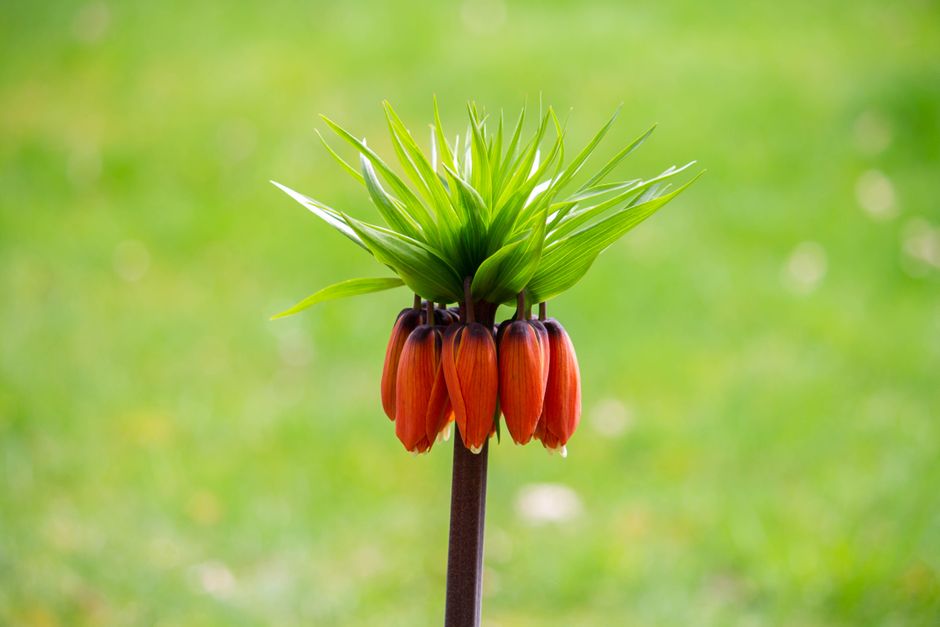
Crown Imperial Indoors: Can This Showstopper Thrive?
Every home grower dreams of a plant that stops people in their tracks, something truly spectacular that adds a touch of drama to their indoor garden or balcony. Perhaps you've heard whispers of the magnificent Crown Imperial, a bulb known for its bold, regal presence in spring. This eye-catching plant is a real showstopper, famous for its unique bell-shaped flowers topped with a crown of leafy bracts, often in fiery shades of orange, red, or yellow.
Traditionally, Crown Imperial bulbs are planted outdoors in the fall to burst forth with color in spring. But what if your gardening world is confined to containers, a balcony, or a dedicated indoor setup? Can this striking plant find a place in your small-space sanctuary? Let's explore the possibilities and practicalities of growing Crown Imperial outside its usual garden bed.
What is a Crown Imperial and Why Does it Turn Heads?
A Crown Imperial (Fritillaria imperialis) is a truly striking flowering bulb known for its dramatic height and vibrant, pendulous flowers. These plants stand tall, often reaching three feet or more, with a sturdy stem crowned by a whorl of brightly colored, bell-shaped blooms that hang downwards, topped by a tuft of spiky green leaves resembling a pineapple or a crown.
These regal plants emerge in early to mid-spring, offering a burst of color when many other plants are just waking up. Their unusual appearance and impressive stature make them an immediate focal point wherever they grow. While beautiful, it's worth noting they possess a distinct, musky scent. This aroma is often described as skunky or foxy, which is why they are sometimes used outdoors as a natural deterrent for deer and rodents.
Can You Really Grow Crown Imperials Indoors or in Small Spaces?
Growing Crown Imperials indoors is quite challenging due to their significant size, specific environmental needs, and strong natural scent. However, for dedicated home growers with ample space and a willingness to meet their unique demands, container growing on a balcony or in a very large, cool, bright indoor area might be possible.
The primary hurdles for indoor cultivation are their impressive height, which can make them unwieldy indoors, and their need for a distinct cold dormancy period to re-bloom. They also demand a lot of direct sunlight, which can be difficult to replicate indoors without powerful grow lights or a very sunny south-facing window. The intense, musky scent, while a natural defense mechanism, can also be overpowering in a confined indoor environment.
Container Growing Crown Imperials: Practical Considerations
If you're determined to try growing a Crown Imperial in a container, whether on a balcony or in a spacious indoor setting, careful planning is essential. Selecting the right pot, providing proper drainage, and understanding its light and dormancy requirements are key steps.
Choosing the Right Pot and Soil
Crown Imperials develop deep root systems and grow quite tall, so they need a substantial container. Choose a pot that is at least 12-18 inches in diameter and just as deep. This provides ample room for root growth and helps anchor the tall plant, preventing it from toppling over. Ensure your pot has excellent drainage holes, as these bulbs are prone to rot in soggy soil.
For soil, opt for a well-draining potting mix. A good quality mix formulated for outdoor containers or bulbs, often with added perlite or grit, will work well. You can also amend a standard potting mix with extra perlite or coarse sand to improve drainage. When planting, place the bulb deep, usually about 6-8 inches down, with its 'nose' (the pointed end) facing upwards. A practical safety note: always wear gloves when handling Crown Imperial bulbs, as they can cause skin irritation in some people.
Caring for a Crown Imperial in a Small-Space Environment
Proper care for a Crown Imperial in a small space involves diligent management of its light, water, and nutrient needs, alongside being mindful of its large size and distinct aroma. While challenging, consistent attention can lead to a rewarding display.
Light Requirements: These plants absolutely crave sunlight. If growing indoors, you'll need a location with at least six to eight hours of direct, intense light daily. This often means supplementing with powerful LED grow lights. For balcony growers, a spot with full, unobstructed sun exposure is critical.
Watering: Keep the soil consistently moist but never waterlogged, especially during the active growing season. Good drainage is paramount to prevent bulb rot. Once the foliage begins to yellow and die back after flowering, gradually reduce watering as the plant enters dormancy. For those thinking about preventing algae in hydroponics, while Crown Imperials aren't suited for hydro, the principle of careful water management applies to all container growing.
Nutrient Needs: Feed your Crown Imperial with a balanced, all-purpose liquid fertilizer once new growth appears in spring, following the dosage instructions on your chosen nutrient bottle. Avoid over-fertilizing, which can burn the roots.
Managing Dormancy: This is a critical step for re-blooming. After the foliage dies back completely, the bulb needs a cold, dry period. If growing on a balcony in a mild climate, you might be able to leave the pot out, ensuring it doesn't get too wet. For indoor growers, you might need to move the pot to a cool, dark place (like an unheated garage or basement) where temperatures remain consistently cool (around 35-45°F or 2-7°C) for 10-12 weeks. Keep the soil barely moist during this time. After the chilling period, bring the pot back to a bright, warmer spot to encourage new growth.
Pest and Disease Watch: Even indoors, plants can attract pests. Keep an eye out for common issues like aphids or spider mites. Regular inspection and prompt action, such as wiping leaves or using insecticidal soap, can keep problems at bay. For more tips, check out our guide on keeping indoor garden pests away.
Beyond Crown Imperial: Achieving Indoor "Wow" with Bulbs
While the majestic Crown Imperial presents unique challenges for indoor and small-space growers, many other bulbs offer stunning displays that are far more suited to these environments. These alternatives can provide that sought-after visual impact and neighbor-impressing beauty without the fuss of a giant, fragrant, outdoor-loving plant.
Consider popular choices like Amaryllis, which produce dramatic, trumpet-shaped flowers; fragrant Hyacinths; or delicate Paperwhites. These bulbs are generally smaller, easier to manage indoors, and many don't require the same intense cold dormancy or extensive space as a Crown Imperial. Exploring these options can lead to just as much gardening satisfaction and a truly impressive indoor display.
Final Thoughts
Bringing the grandeur of a Crown Imperial into your indoor or small-space garden is an ambitious but potentially rewarding endeavor. While its size, scent, and dormancy requirements pose significant challenges, understanding these aspects can help you decide if this regal plant is right for your unique setup. Whether you choose to tackle the Crown Imperial or opt for other stunning indoor bulbs, the joy of watching something beautiful bloom in your own space is truly unmatched. Keep exploring more ways to grow green and gorgeous plants right here on MicroVeg.
Frequently Asked Questions
What is the primary challenge of growing Crown Imperial indoors?
The primary challenges are its large size, need for a cold dormancy period, requirement for intense direct sunlight, and its strong, musky odor.
How much light does a Crown Imperial need?
Crown Imperials require at least six to eight hours of direct, intense sunlight daily, which typically means a very sunny window or powerful LED grow lights indoors.
Do Crown Imperial bulbs need a cold period to re-bloom?
Yes, Crown Imperial bulbs need a cold, dry dormancy period of about 10-12 weeks at temperatures between 35-45°F (2-7°C) to encourage re-blooming.
Are there indoor-friendly alternatives to Crown Imperial for a showy display?
Yes, many other bulbs like Amaryllis, Hyacinths, and Paperwhites are much better suited for indoor container growing and can provide a beautiful, showy display.
Explore More Plant Care Guides
 Plant Care
Christmas Cactus Bloom: 3 Secrets for Indoor Growers
Learn the simple, practical secrets to make your Christmas cactus bloom beautifully indoors, turning your home into a festive display.
 Plant Care
Prevent Algae in Hydroponics: Your Guide to Clean Systems
Discover simple, effective strategies to prevent algae in hydroponics and keep your indoor gardening system clean and your plants thriving.
 Plant Care
Keep Indoor Garden Pests Away: Your Small Space Guide
Discover how to identify, prevent, and safely treat common indoor garden pests to keep your small space plants healthy and thriving.