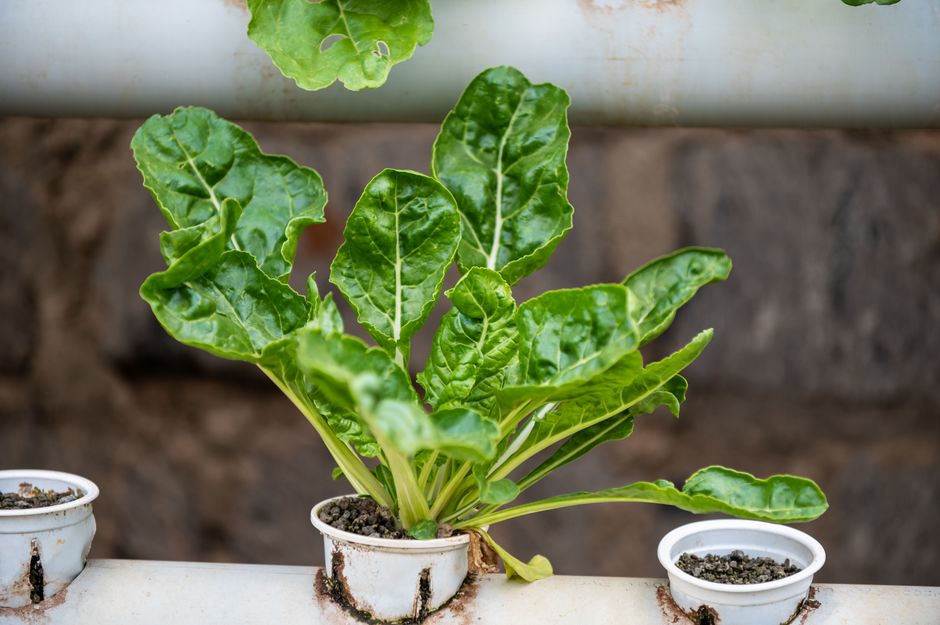
Build Your Own DIY Vertical Hydroponic Garden
Do you dream of growing your own fresh produce but think you don't have enough space? Think again. A DIY vertical hydroponic garden is a fantastic solution for home growers in apartments, on balconies, or even just on a desk. This method allows you to stack plants vertically, making the most of every square inch. You can grow herbs, leafy greens, and even some small vegetables without soil, using nutrient-rich water instead. It's a smart, budget-friendly way to bring green goodness into your home.
What is a DIY Vertical Hydroponic Garden?
A DIY vertical hydroponic garden is a homemade system where plants are grown in vertically stacked tiers or columns, using a soilless, water-based nutrient solution. Instead of spreading plants out horizontally, you arrange them upwards, maximizing your growing area in a small footprint. You build the system yourself, often using common household items or affordable materials, making it a budget-friendly option for home growers.
These systems come in many forms, from simple stacked pots to more complex towers with integrated water pumps. The key is that the nutrient solution is delivered directly to the plant roots, allowing them to grow faster and often with less water than traditional soil gardening. Because it's DIY, you have full control over the design and can tailor it to your specific space and plant choices.
Why Choose DIY Vertical Hydroponics for Small Spaces?
Choosing DIY vertical hydroponics offers several big advantages for anyone with limited room. First and foremost, it saves a tremendous amount of space by growing plants upwards instead of outwards. This means you can have a productive garden on a small balcony, in a corner of your kitchen, or even beside your desk, spots where a traditional garden simply wouldn't fit.
Beyond space saving, it is often more water-efficient than soil gardening because water is recirculated, not lost to evaporation or runoff. Building your own system also means you control the cost. You can start with very simple, inexpensive materials and expand as your skills and budget allow. Plus, you get the satisfaction of eating fresh, homegrown food that you grew yourself, right in your own home. It is an excellent way to grow vegetables in a small apartment, making healthy eating more accessible.
How to Plan Your Vertical Hydroponic System
Planning is crucial before you start building your vertical hydroponic system to ensure it fits your space and meets your growing goals. First, decide where your garden will live. Measure the height and width available, considering light access and proximity to an electrical outlet if you plan to use a pump or grow light. Think about what you want to grow, as this will influence the system's size and design.
Consider the type of vertical system. Options include stacked pots, A-frame designs, or wall-mounted systems. Research which method best suits your skills and the materials you have available. Think about how water will flow and be collected, and how easy it will be to access your plants for harvesting and maintenance.
Choosing Your Materials
The beauty of DIY is using what you have or sourcing materials affordably. Here are some common choices:
- Containers: Plastic bottles, PVC pipes, buckets, or even recycled food containers can be repurposed as plant holders. Look for food-grade plastic when possible.
- Frame: PVC pipe, wood, or even sturdy shelving units can form the structure for your vertical setup.
- Water Reservoir: A large opaque bucket or tote will hold your nutrient solution. Opaque containers prevent light from reaching the water, which helps prevent algae growth.
- Pump (optional): A small submersible pump is needed for recirculating systems.
- Tubing/Hoses (optional): For connecting the pump to the top of your system and distributing water.
- Growing Medium: Rockwool, coco coir, or clay pebbles provide support for your plants.
- Hydroponic Nutrients: A balanced liquid nutrient solution formulated for hydroponics.
Step-by-Step Guide to Building a Simple Vertical Hydroponic Setup
Building a simple vertical hydroponic system can be straightforward, even for beginners. This guide focuses on a basic stacked-pot system that’s easy to assemble and maintain. For very simple setups, you can adapt the Kratky method for beginners by stacking containers that each hold their own static nutrient solution.
Here’s how to build a gravity-fed, stacked-pot system:
- Gather Your Materials: You will need several food-grade plastic containers (like 2-liter soda bottles or small buckets), a larger reservoir bucket, a drill, a craft knife, and a suitable growing medium and hydroponic nutrients.
- Prepare Your Pots: For each upper container, cut off the bottom. Drill or cut drainage holes in the bottom of each container, except for the very top one and the bottom reservoir. These holes should be large enough to allow water to drip through but small enough to hold your growing medium.
- Create Planting Holes: Cut out small openings on the sides of your containers for plants. These holes should be big enough to insert your seedlings.
- Assemble the Stack: Place the largest container at the bottom as your main reservoir. Stack the prepared containers on top of each other. Ensure they fit snugly and water can drain from one to the next. You can use a central pole (like a PVC pipe) for stability if your stack is tall.
- Add Growing Medium and Plants: Fill each container with your chosen growing medium. Carefully place your seedlings into the side planting holes.
- Add Nutrient Solution: Mix your hydroponic nutrients according to the manufacturer's instructions in your reservoir bucket. Fill the top container with this solution. The water will slowly drip down through each layer, watering the plants as it goes. Ensure your electrical timers and pumps are kept away from water spills to prevent accidents.
Maintaining Your DIY Vertical Hydroponic Garden
Keeping your vertical hydroponic garden thriving requires regular attention, but it is not difficult. The most important tasks are managing your nutrient solution and checking your plants daily. You will need to replenish your reservoir with fresh nutrient solution regularly, typically every 1-2 weeks, depending on your plants' growth and the system's size. Always follow the dosage instructions on your nutrient bottle.
Also, keep an eye on your plants for any signs of disease or pests. Check the roots to ensure they are healthy and white. If you are using an LED grow light, make sure the light schedule is appropriate for your plants. A good LED grow light schedule will help your plants grow vigorously. Maintaining good air circulation around your vertical system can also prevent issues. With consistent care, your DIY setup will reward you with a bounty of fresh produce.
Final Thoughts
Building a DIY vertical hydroponic garden is a rewarding project for any home grower, especially those with limited space. It’s a sustainable, efficient way to enjoy fresh herbs and vegetables year-round. Start small, learn as you go, and enjoy the delicious results of your homegrown efforts. Explore more MicroVeg guides for additional tips and tricks to keep your indoor garden flourishing.
Frequently Asked Questions
What plants grow best in vertical hydroponics?
Leafy greens like lettuce, spinach, and kale, along with herbs such as basil, mint, and cilantro, thrive in vertical hydroponic systems. Smaller fruiting plants like strawberries and some types of peppers can also do well.
Can vertical hydroponics save water?
Yes, vertical hydroponics typically uses significantly less water than traditional soil gardening. This is because the water is recirculated and reused, minimizing evaporation and runoff.
How much space do I need for a small vertical hydroponic system?
You can build a small vertical hydroponic system in a surprisingly compact area, sometimes as little as one square foot of floor space. The height will depend on the number of tiers you stack.
Are DIY vertical hydroponic systems expensive to build?
DIY vertical hydroponic systems can be very budget-friendly. You can start with repurposed materials like plastic bottles and buckets, keeping initial costs low. More advanced setups might cost a bit more, but still less than commercial systems.
Explore More DIY Setups Guides
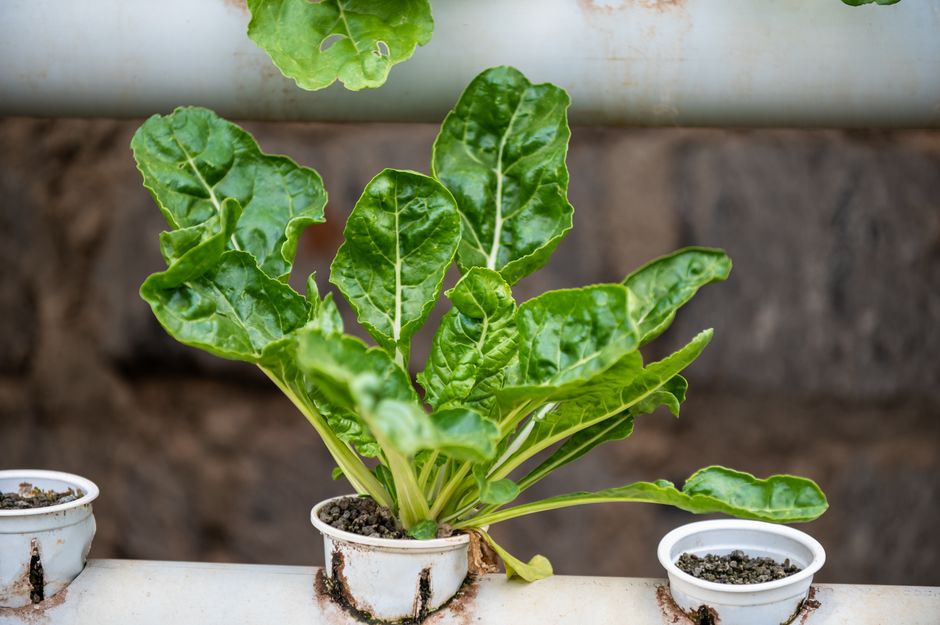 DIY Setups
Build Your Vertical Indoor Garden: Small Space, Big Harvests
Learn how to create a vertical indoor garden and grow more fresh food in even the smallest spaces.
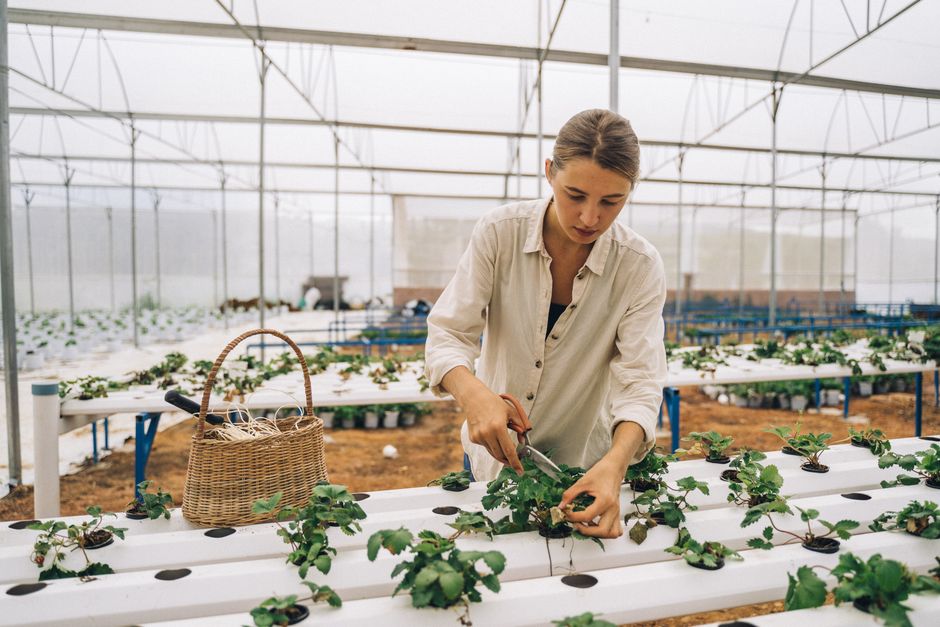 DIY Setups
Kratky Hydroponics for Beginners: Easy No-Pump Setup
Discover Kratky hydroponics, a simple, passive method for growing fresh plants indoors without pumps or electricity, perfect for beginners.
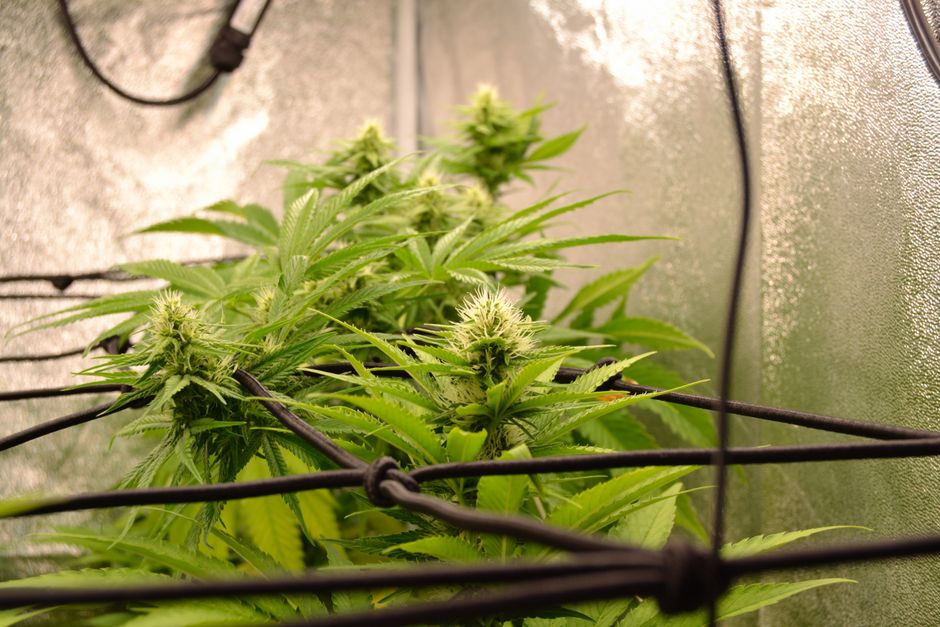 DIY Setups
Budget Grow Tent Alternatives: DIY Small Space Solutions
Explore smart, budget-friendly grow tent alternatives for your indoor plants, perfect for small spaces and home growers.