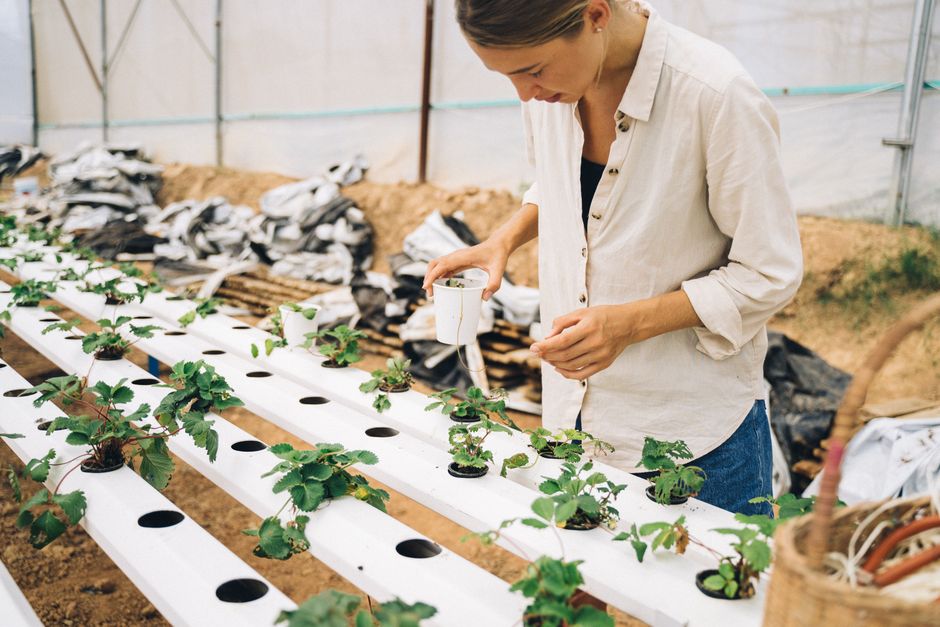
How to Clean a Hydroponic Reservoir: Step-by-Step Guide
A dirty water tank can quickly spoil an indoor garden by spreading root diseases and blocking plant absorption. Learning how to clean a hydroponic reservoir properly keeps your plants thriving and prevents unwanted grime. Regular maintenance ensures clear water and balanced nutrition for every crop you grow.
Why is hydroponic reservoir maintenance important for root health?
Regular hydroponic reservoir maintenance prevents harmful pathogens, bacteria, and root rot from taking over your system. Over time, mineral salts leave heavy crusts on tank walls, while stagnant liquid creates an ideal home for harmful organisms. When roots rest in contaminated water, they turn dark, lose their ability to take up nutrients, and fail to grow.
Cleaning your reservoir removes old mineral deposits before they trigger issues like hydroponic nutrient lockout in your indoor crops. Stagnant residue also lowers dissolved oxygen levels in the liquid, which smothers delicate root tips. Keeping the storage container fresh gives your plants the clean foundation they need for strong growth.
Organic matter naturally accumulates in low-flow areas, tubing elbows, and pump housings over time. Leaving this debris untouched allows slime to build up, which can clog small water lines and burn out submersible pumps.
What supplies do you need to clean a hydroponic tank?
You only need a few simple household tools to clean a hydroponic tank safely without harming your indoor crops. Avoid harsh industrial cleansers or scented detergents that leave toxic residue behind on plastic surfaces.
- Food-grade hydrogen peroxide or plain unscented household bleach
- A soft scrub brush and non-abrasive sponge
- Microfiber towels for wiping and drying surfaces
- A manual siphon pump or small submersible utility pump
- Fresh, clean water for flushing and rinsing
Always turn off and unplug all pumps, water heaters, and grow lights before starting your maintenance work. Keeping electrical timers and cords completely dry while draining water prevents electrical hazards and protects your equipment.
How to clean a hydroponic reservoir between plant crops
To clean a hydroponic reservoir between crops, drain the old water completely, scrub away visible mineral buildup, and wipe down the tank interior with a mild sterilizing solution. Performing a deep reset between harvests gives every new seedling a fresh start without lingering fungal spores.
Step 1: Drain the system and remove hardware
Start by switching off your system power and pumping out all old liquid into a drain or bucket. Remove submersible pumps, air stones, float valves, and flexible tubing so you can reach every interior corner. Check pump impellers for trapped root fibers or mineral grit, and wash them thoroughly under running tap water.
Step 2: Scrub away salt buildup and algae
Use warm water and a scrub brush to rub off white salt crusts and slippery green spots on the tub walls. To dissolve stubborn mineral scale, soak the inside of the tank with warm water and plain white vinegar before scrubbing. Never use steel wool or abrasive pads that scratch plastic, because tiny scratches give bacteria safe places to hide later.
Step 3: Sterilize the hydroponic system thoroughly
Once visible dirt is gone, fill the empty tank with clean water and add dilute food-grade hydrogen peroxide or a small splash of plain bleach. Run your water pump to circulate this solution through your hoses and manifolds for thirty minutes to kill micro-organisms. Drain the sterilizing liquid completely, then rinse the entire container twice with fresh water before refilling it with new plant food.
Can you sterilize a hydroponic system while plants are growing?
Yes, you can sterilize a hydroponic system while plants are growing by adding small amounts of standard dilute hydrogen peroxide directly to the water. This mid-cycle treatment controls single-celled algae and harmful swimming spores without burning healthy plant roots.
When treating an active setup, never use bleach or harsh chemical cleansers while live roots are sitting in the tank. Hydrogen peroxide naturally breaks down into harmless water and oxygen gas over time, which adds extra aeration to your root zone. Always check bottle directions for proper dosage rates before adding any treatment into an active container.
If your local tap supply contains heavy mineral content or chlorine, consider starting with filtered water or following guidelines on using clean tap water to limit salt buildup during active growth. Fresh starter water reduces how often you need to perform full system flushes during a long growing cycle.
During routine mid-cycle liquid top-offs, take two minutes to inspect the water clarity and smell. If you notice a sour odor or cloudy water, perform a partial liquid change immediately and wipe down the upper rim of the tank with clean paper towels.
How to prevent algae in a hydroponic reservoir
You can prevent algae in a hydroponic reservoir by blocking all ambient light from entering the water tub. Algae require light and plant food to survive, so keeping your water container completely dark cuts off their energy supply.
Use dark, opaque plastic tubs rather than clear or translucent totes for your liquid storage. If you use a light-colored bucket or lid, wrap the outside walls with dark tape or reflective foil insulation to block light penetration. Cover any open lid holes or empty net pot spaces so room lighting cannot hit the liquid surface.
Keeping water temperatures cool also prevents rapid algae blooms and maintains higher dissolved oxygen levels. Clean your pump intake filter once a week to keep water moving continuously, as stagnant water supports algae much faster than circulating water.
Final Thoughts
Taking time to learn how to clean a hydroponic reservoir keeps your root environment fresh, clear, and free of plant diseases. Regular scrubbing and flushes will protect your indoor crops and keep your water equipment running smoothly for years. Explore more MicroVeg guides to master every part of small-space indoor growing.
Frequently Asked Questions
How often should I clean my hydroponic reservoir?
You should perform a full reservoir clean every two to three weeks, as well as between every new planting cycle.
Can I use vinegar to clean my hydroponic reservoir?
Yes, white vinegar is an safe way to dissolve stubborn white mineral deposits and salt scale from reservoir walls.
Will hydrogen peroxide harm my hydroponic plant roots?
Dilute hydrogen peroxide will not harm roots when used in small doses, and it actually adds useful dissolved oxygen to your water.
Why does my hydroponic water smell like rotten eggs?
A rotten egg smell indicates stagnant water and anaerobic bacteria growth, which requires an immediate reservoir change and thorough cleaning.
Explore More Hydroponics Guides
 Hydroponics
Kratky vs Deep Water Culture: Which Hydroponic System is Right?
Choosing between Kratky and Deep Water Culture (DWC) hydroponics depends on your space, budget, and how hands-on you want to be.
 Hydroponics
How Often Should You Change Hydroponic Water?
Regularly refreshing your hydroponic nutrient reservoir is crucial for plant health, preventing imbalances, algae, and root diseases.
 Hydroponics
Set Up Your Basic Hydroponic System: A Beginner's Guide
Learn how to easily set up a basic hydroponic system at home and start growing fresh plants without soil, even if you are a complete beginner.