Hydroponics vs Soil: Which Growing Method Is Best?
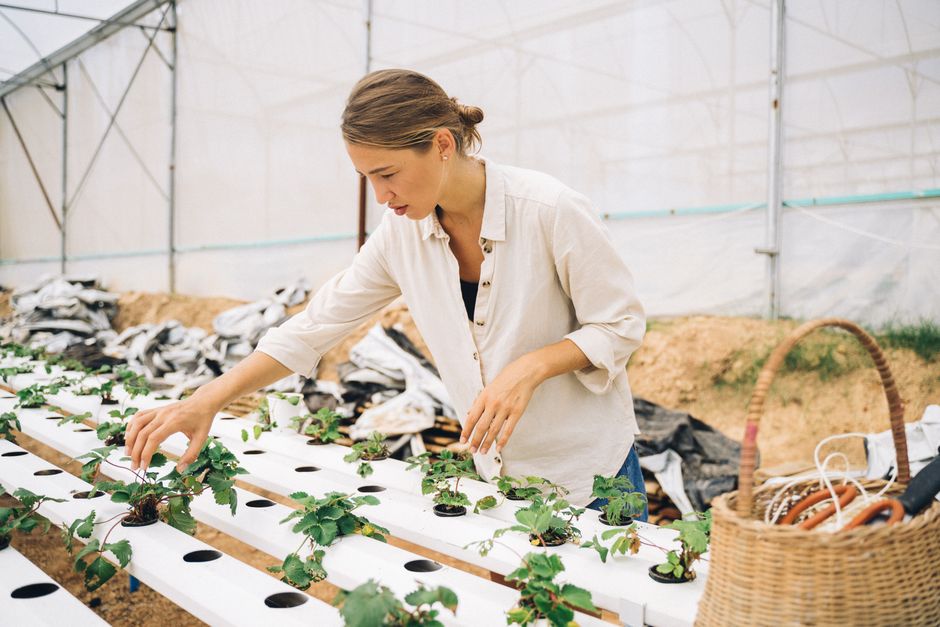
Choosing between hydroponics vs soil is one of the first big decisions every indoor gardener faces. Hydroponics is the method of growing plants in nutrient-rich water without dirt, while soil gardening relies on traditional potting mix to hold roots and supply organic nutrients. Both methods produce delicious herbs, crisp greens, and healthy vegetables indoors, but they work in fundamentally different ways.
If you want fast growth, clean indoor spaces, and maximum control over feeding, hydroponics often wins. If you prefer low starting costs, simple routines, and a forgiving buffer against mistakes, soil remains a dependable choice. This guide breaks down the key differences to help you decide which method fits your home, budget, and gardening style.
How Does Hydroponics Compare to Soil Growing?
The primary difference between hydroponics and soil growing is how plant roots access water, oxygen, and food. In a soil setup, roots must search through the potting medium to absorb moisture and dissolved minerals. In a hydroponic system, roots sit directly in or receive regular flushes of an oxygenated water solution that delivers plant food right to the root zone.
Because water-based roots do not spend energy expanding through dense dirt, plants can put more energy into foliage and fruit production. This direct nutrient delivery allows hydroponic crops to mature noticeably faster than soil-grown crops. You also avoid bringing outdoor dirt, weed seeds, and soil-borne pests into your living space.
Traditional soil growing, however, provides a natural buffer that water culture lacks. Soil particles hold onto moisture and minerals, which protects plants if you forget a watering or slightly miscalculate your fertilizer dose. In hydroponics, the water reservoir directly reflects whatever you put into it, meaning small errors can affect plants quickly.
Growth Speed and Yield: Hydroponics vs Soil
Hydroponic plants generally grow thirty to fifty percent faster than soil-grown plants under the same lighting conditions. This acceleration happens because water systems provide continuous access to perfectly balanced food and high levels of dissolved oxygen around the root zone.
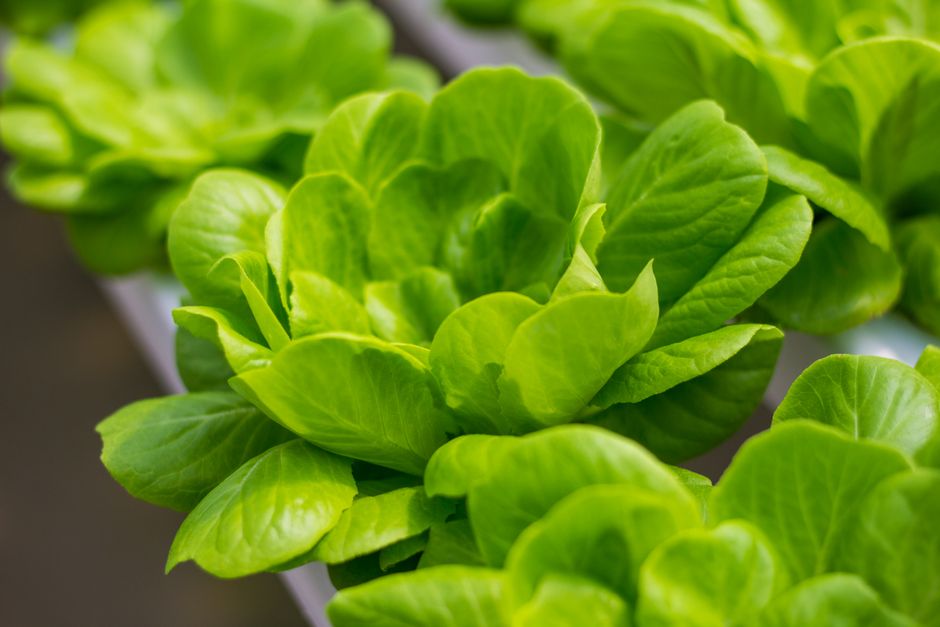
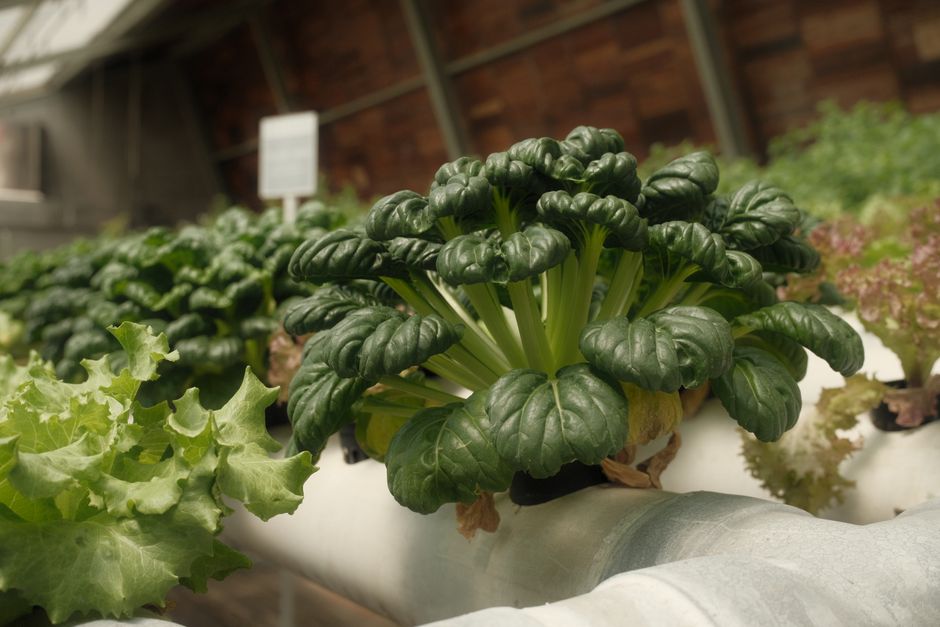
Leafy greens such as lettuce, spinach, and bok choy show the most dramatic difference. A hydroponic lettuce head often reaches harvest size several weeks earlier than an identical seed planted in potting mix. Herbs like basil, mint, and cilantro also produce larger leaf flushes when grown in water systems.
Soil growing delivers steady, reliable yields, but growth rates are constrained by how quickly roots can take up nutrients bound to soil particles. If you want to learn how to prepare young plants for a water-based system, check out our guide on how to start seeds for hydroponics to get strong root systems right from day one.
Why Root Oxygenation Changes Everything
Roots need oxygen just as much as they need water. In soil, overwatering fills the air pockets between dirt particles, which suffocates roots and invites fungal rot. Hydroponic systems use air stones, water pumps, or built-in air gaps to keep the liquid charged with fresh oxygen, allowing roots to drink deeply without drowning.
Setup Costs and Ongoing Maintenance
Soil gardening has a much lower startup cost than hydroponics, but ongoing maintenance and mess are often higher over time. A basic soil setup requires only pots, potting soil, and a simple liquid fertilizer to get started. Hydroponic setups require specialized containers, water reservoirs, net pots, growing media, and measurement tools.
Hydroponic systems require an upfront purchase of basic testing tools. You need a simple tester to monitor water acidity and nutrient concentration. Keeping your water in the correct range is essential, and you can learn the exact process in our tutorial on how to adjust hydroponic pH safely at home.
- Soil startup needs: plastic or fabric pots, sterile potting mix, drip trays, basic organic plant food, and a watering can.
- Hydroponic startup needs: reservoir container, net pots, inert medium like clay pebbles or rockwool, water-soluble hydroponic nutrients, and water testing meters.
- Ongoing soil tasks: watering every few days, checking soil dryness with your finger, top-dressing with compost, and repotting growing plants.
- Ongoing hydroponic tasks: checking reservoir water levels daily, topping off fresh water, testing pH weekly, and cleaning reservoirs between crops.
For safety in any indoor growing area, always keep your electrical cords, power strips, and light timers elevated away from floor level to prevent contact with accidental water leaks or spills.
Pest Control and Cleanliness Indoors
Hydroponics is vastly cleaner and less prone to common indoor pests than traditional soil growing. Most indoor garden pests, such as fungus gnats, spend their larval stage living and feeding inside damp potting soil. Because hydroponic systems use clean water and sterile inert media, fungus gnats rarely become an issue in water setups.
Soil bags brought into the house can sometimes carry dormant pest eggs or mold spores. If soil stays damp on a warm kitchen counter, gnats quickly multiply and fly around your home. With hydroponics, you eliminate dirty runoff, muddy spills, and bag storage entirely.
Hydroponics is not completely immune to pests, however. Airborne pests like aphids, thrips, and spider mites can still land on the leaves of hydroponic plants. Inspecting the undersides of your leaves weekly helps you catch any intruders before they establish a colony.
Which Method Should You Choose for Your Home?
Choose soil if you want a low-cost, beginner-friendly setup that forgives small watering mistakes. Soil is ideal for gardeners who enjoy the tactile experience of potting, working with organic composts, or growing large fruiting plants that require heavy root anchors. It is also the simplest way to grow root crops like carrots and radishes, which do not adapt easily to standard hydroponic net pots.
Choose hydroponics if you want fast harvests, high yields in small spaces, and zero dirt inside your living areas. Hydroponics is perfect for urban growers, apartment dwellers, and anyone who wants fresh herbs and greens year-round on a kitchen counter or closet shelf.
Best Plants for Each Growing Method
Certain crops perform best in specific environments. Matching the right plant to the right system ensures you get the highest return on your indoor gardening effort.
- Best crops for hydroponics: loose-leaf lettuce, basil, kale, mint, bok choy, Swiss chard, strawberries, and small cherry tomatoes.
- Best crops for indoor soil: root vegetables like baby carrots, large bush tomatoes, rosemary, woody perennial herbs, and potted peppers.
Final Thoughts
The choice between hydroponics vs soil ultimately depends on your space, budget, and how much time you want to spend managing water parameters. Both systems can produce fresh, highly nutritious food right inside your home. Explore our other indoor gardening guides to master your lighting, feeding schedules, and plant care routines.
Frequently Asked Questions
Do hydroponic vegetables taste different than soil-grown vegetables?
When grown with balanced nutrients and proper light, hydroponic vegetables taste just as flavorful and crisp as soil-grown crops.
Can beginners start directly with hydroponics?
Yes, beginners can easily start with simple non-electric setups like the Kratky method before moving to pumped systems.
Does hydroponics use more water than soil gardening?
No, hydroponics actually uses up to ninety percent less water than soil gardening because the water is recycled rather than lost to evaporation and runoff.
Can you use regular potting soil fertilizer in a hydroponic system?
No, standard soil fertilizers lack complete micronutrient profiles and contain organic matter that will foul water pumps and cause reservoir odor.
Explore More Hydroponics Guides
 Hydroponics
Kratky vs Deep Water Culture: Which Hydroponic System is Right?
Choosing between Kratky and Deep Water Culture (DWC) hydroponics depends on your space, budget, and how hands-on you want to be.
 Hydroponics
How Often Should You Change Hydroponic Water?
Regularly refreshing your hydroponic nutrient reservoir is crucial for plant health, preventing imbalances, algae, and root diseases.
 Hydroponics
Set Up Your Basic Hydroponic System: A Beginner's Guide
Learn how to easily set up a basic hydroponic system at home and start growing fresh plants without soil, even if you are a complete beginner.