Kratky vs DWC: Which Hydroponic Method Is Best?
Choosing your first indoor water system can feel tricky when you see so many growing options online. Comparing Kratky vs DWC is the perfect starting point because both setups use liquid nutrient reservoirs to grow plants without any dirt. Here is everything you need to know about how these two methods work, how they compare, and which one fits your indoor garden best.
Kratky vs DWC: What Is the Main Difference?
The main difference between Kratky and DWC is that Kratky is a passive system with no moving parts, while DWC relies on an electric air pump to bubble oxygen into liquid. In a Kratky setup, you fill a container with nutrient solution once and allow the water level to drop naturally as the plant grows. DWC keeps the container topped off and continuously pumps air into the water so roots stay fully oxygenated at all times.
Both methods eliminate soil, which means fewer pests and zero messy repotting in your living space. However, the presence or absence of active aeration changes how you care for your plants. Understanding this basic design difference helps you select the system that matches your daily routine and equipment preferences.
How Does the Kratky Method Work for Beginners?
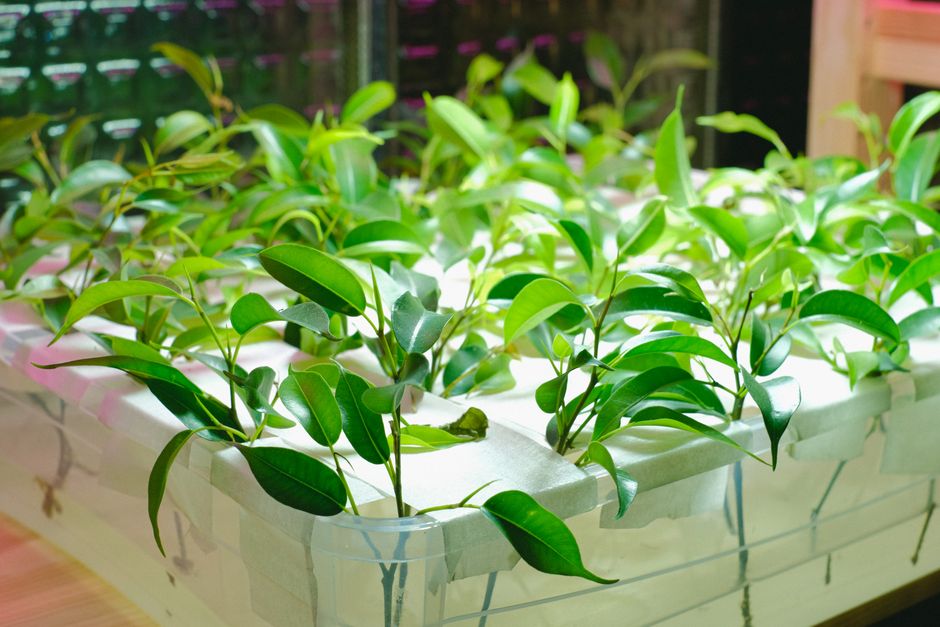
The Kratky method works by taking advantage of the natural air gap that forms as growing plants drink liquid from a static reservoir. You place net pots filled with growing media into the top lid of a container filled with water and liquid nutrients. The bottom of the net pot rests in the water when you first set up the container.
As the roots drink and the liquid level drops, a humid air space opens up inside the tub. Upper roots adapt to breathe oxygen from this air pocket, while lower roots stay submersed to soak up water and nutrients. You do not need to add fresh water or recirculate liquid during the growing cycle.
Key Benefits of Growing with Kratky
Kratky is popular for indoor gardening because it requires zero electricity and runs completely silent. You can set up a simple jar or tote on a bright shelf without worrying about power outlets or messy power cords.
It is also extremely low maintenance. Once you fill the container with water and add fertilizer according to the package directions, you simply let the plant grow until harvest. This passive setup is light on your wallet and ideal for busy growers who travel often.
Common Kratky Limitations to Keep in Mind
The main limitation of Kratky is that it works best for short-term, small crops like lettuce, spinach, and herbs. Heavy feeding plants like tomatoes or large peppers often drink all the water before they finish producing fruit.
Refilling a Kratky container mid-growth can be risky because drowning the exposed air roots can suffocate the plant. Static water is also sensitive to warm ambient temperatures, which can reduce dissolved oxygen and increase the risk of root rot.
How Does Deep Water Culture Work in Small Spaces?
Deep Water Culture, commonly known as DWC, works by suspending plant roots directly inside an actively oxygenated nutrient solution. An electric air pump sits outside the reservoir and pushes air through a flexible tube to an air stone resting at the bottom.
The air stone breaks the airflow into thousands of tiny bubbles that roll up through the liquid. This constant movement mixes the water, prevents stagnation, and delivers a non-stop supply of dissolved oxygen straight to the root zone. Because oxygen is always available, plants grow fast and absorb nutrients efficiently.
Advantages of Choosing Deep Water Culture
The biggest advantage of DWC is fast plant growth and higher crop yields. Because the air stone keeps oxygen levels high, roots remain healthy even when fully submerged in liquid for months at a time.
DWC allows you to top off the reservoir with fresh water and nutrients whenever the level gets low. This feature makes it possible to grow large, long-season crops like bell peppers, cherry tomatoes, and large greens in small indoor footprints.
Drawbacks of DWC for Home Gardeners
The most noticeable drawback of DWC is its constant reliance on electrical power. If your air pump stops working during a power outage or equipment failure, the standing water can rapidly lose oxygen and cause roots to rot within a day or two.
The pump and bubbling air stone also produce a continuous low hum and water vibration. If your indoor garden is located in a bedroom, home office, or quiet living room, that extra noise might become noticeable over time.
Kratky vs DWC: Which Hydroponic Setup Should You Choose?
Choosing between Kratky vs DWC depends on your budget, available power outlets, and the types of plants you plan to harvest. If you want a silent, low-cost setup for leafy salad greens, Kratky is an ideal starting point. If you want maximum growth rates, high yields, and the ability to grow fruiting plants, DWC is worth the small investment in an air pump setup.
Here is a simple checklist to help you choose the right path:
- Choose Kratky if you want a silent setup that requires zero electrical outlets.
- Choose Kratky for fast crops like butterhead lettuce, basil, cilantro, and kale.
- Choose DWC if you want fast growth and larger harvests in small spaces.
- Choose DWC if you plan to grow fruiting crops like indoor cherry tomatoes or peppers.
Whenever you build or manage an indoor water setup, keep safety in mind around your electrical components. Keep all air pumps, power strips, and lighting cords elevated above water levels or mounted safely on the wall to prevent water drops from reaching electrical outlets.
If you are starting your plants from seed before placing them into net pots, read our complete guide on how to transplant seedlings indoors without shock to guard fragile root systems. For growers with limited space who want to try productive container crops alongside water setups, learn how to grow bush beans in small spaces for a bountiful indoor yield.
Final Thoughts
Understanding the practical tradeoffs of Kratky vs DWC helps you build an indoor water garden that matches your goals and daily routine. Both methods offer dirty-free gardening and fresh produce right from your home shelves. Explore more MicroVeg guides to discover lighting tips, simple feeding routines, and space-saving harvest strategies today.
Frequently Asked Questions
Is Kratky cheaper than DWC?
Yes, Kratky is cheaper to build and operate because it requires no air pump, tubing, or electric power.
Can you convert a Kratky system into a DWC setup later?
Yes, you can easily convert a Kratky system into DWC by adding an air pump and air stone to the reservoir.
Which system produces faster growth for salad greens?
DWC produces slightly faster growth because continuous air bubbles deliver higher dissolved oxygen levels directly to plant roots.
How often do you need to change the water in Kratky?
For quick-growing greens in a single-crop Kratky setup, you usually do not change or add water at all between planting and harvest.
Explore More Hydroponics Guides
 Hydroponics
Kratky vs Deep Water Culture: Which Hydroponic System is Right?
Choosing between Kratky and Deep Water Culture (DWC) hydroponics depends on your space, budget, and how hands-on you want to be.
 Hydroponics
How Often Should You Change Hydroponic Water?
Regularly refreshing your hydroponic nutrient reservoir is crucial for plant health, preventing imbalances, algae, and root diseases.
 Hydroponics
Set Up Your Basic Hydroponic System: A Beginner's Guide
Learn how to easily set up a basic hydroponic system at home and start growing fresh plants without soil, even if you are a complete beginner.