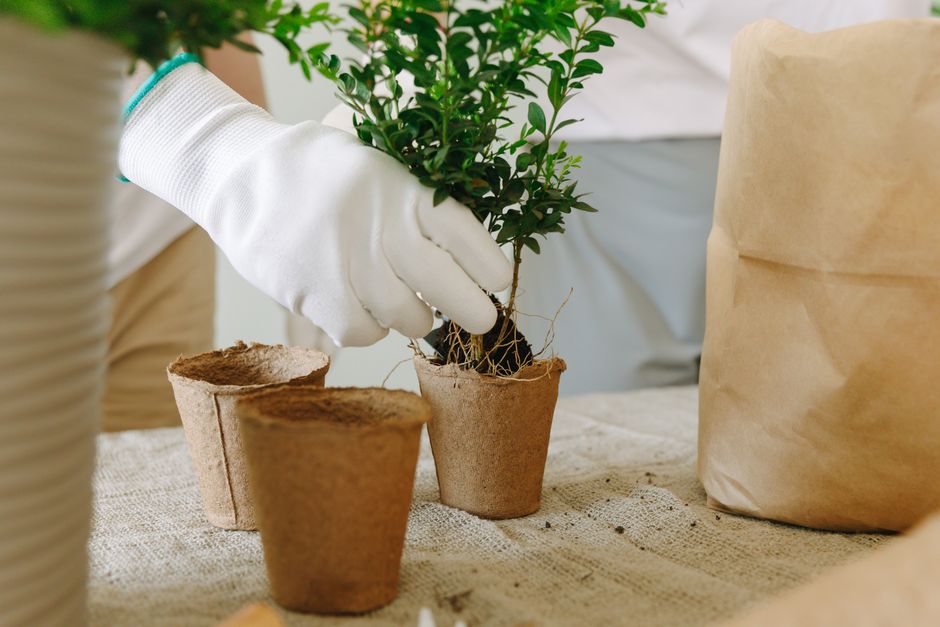
Transplant Seedlings Indoors: How to Avoid Shock
Starting seeds inside your home gives your garden a head start, but move day can feel stressful. Knowing how to safely transplant seedlings indoors makes all the difference between a thriving crop and a weak plant. With a few gentle techniques, you can move your tiny sprouts into bigger pots with zero stress and keep them growing strong all season long.
When Is the Best Time to Transplant Seedlings Indoors?
The best time to transplant seedlings indoors is when they develop their first set of true leaves and stand strong enough to handle. Young plants start life using energy stored inside the seed coat, sprouting two smooth seed leaves called cotyledons. Once true leaves emerge above those first sprouts, the roots need more room to expand and search for nutrients.
Waiting too long causes roots to circle inside tight seed cells, leading to stunted growth. Moving them too early can crush tiny stems before they have enough energy to recover. Most plants reach this stage three to four weeks after germination. Look for root tips poking through drainage holes at the bottom of your seed tray as a clear sign that roots are ready for more space.
How to Spot True Leaves on Young Sprouts
True leaves look completely different from the initial smooth seed leaves that pop out first. Seed leaves are usually simple, round, and thick because they store initial seed energy. True leaves match the characteristic leaf shape of the adult plant and begin photosynthesizing to feed new growth. For instance, when you raise indoor tomatoes or try to grow bush beans in small spaces, the true leaves display distinct veins and jagged edges. Once two to four of these real leaves open up, your seedling is mature enough for its first big move.
How Do You Pot Up Seedlings Without Causing Transplant Shock?
To prevent transplant shock, gently handle seedlings by their leaves rather than their delicate stems while transferring them into larger containers. A pinched stem can permanently crush the tissue that carries water and nutrients to the top of the plant. Leaves can regrow easily if they suffer a minor tear, making them much safer handholds during potting up.
Moisten the potting mix in your seed tray an hour before you begin work. Dry soil clings to roots and tears fine root hairs away when you lift the plant out. Wet soil sloughs off smoothly, letting roots separate cleanly without tearing.
Prepare your new containers before removing sprouts from their seed cells. Fill larger pots loosely with pre-moistened potting mix and poke a deep hole in the center with your finger or a pencil.
Here are the basic supplies you need on your workspace:
- Clean containers with drainage holes
- Pre-moistened indoor potting soil
- A butter knife or small plant dibber
- A small watering can or spray bottle
Slide a butter knife down the side of the seed cell to loosen the soil block from the plastic wall. Gently press upward from the bottom of the cell while supporting a single leaf between your fingers. Set the root ball directly into the hole in the new pot, fill around it with fresh soil, and press down softly to eliminate air pockets around the roots.
Why Are My Transplanted Seedlings Drooping?
Transplanted seedlings often droop because their fine root hairs were disturbed during the move, temporarily reducing water absorption. Even careful handling disturbs the microscopic root tips that pull moisture from the soil. A slight wilt for twelve to twenty-four hours after repotting is normal while roots adjust to their new environment.
Excessive heat or intense overhead light right after repotting increases water loss from leaves before roots can recover. Keep newly repotted plants under soft, indirect light for the first full day. Keep the soil evenly moist so fresh roots can spread into the fresh soil block.
If you notice heat stress or fading foliage in warmer indoor spaces, check out our advice on protecting plants during a heat wave to keep young leaves safe.
How to Help Drooping Seedlings Recover
Help drooping seedlings recover by giving them a gentle water soak and keeping them out of direct heat or harsh airflow. Water the soil around the base of the plant until moisture flows through the bottom holes. Avoid saturating the leaves, which can weigh down weak stems and encourage fungal growth.
Give the soil surface time to dry slightly before watering again. Root systems need oxygen in the soil just as much as water. Overwatering suffocates roots and will prevent recovery faster than underwatering will.
What Containers Work Best for Potting Up Indoors?
Small plastic nursery pots or clean recycled containers with drainage holes work best for potting up indoor seedlings. Moving a small sprout directly into a huge container creates problems because excess soil stays wet too long without roots to drink the water, leading to root rot. Choose a pot that is two to three inches wider than the original seed cell.
Clean recycled yogurt cups or food containers thoroughly with warm soapy water before filling them with potting mix. Poke four or five holes in the bottom to ensure excess water drains freely onto a tray. Always keep electrical cords for grow lights and heating mats elevated and well clear of your water trays during potting up to maintain a safe growing space.
Final Thoughts
Learning how to transplant seedlings indoors ensures your young plants transition smoothly into healthy, productive adult plants. Pay attention to leaf development, handle sprouts carefully by their leaves, and maintain consistent soil moisture. Check out our other guides at MicroVeg to build your skills in indoor gardening and smart small-space growing.
Frequently Asked Questions
Should I water seedlings immediately after transplanting?
Yes, water seedlings gently immediately after transplanting to settle the soil around root hairs. This eliminates air pockets and helps the plant recover quickly.
Can you bury seedling stems deeper when transplanting indoors?
Certain seedlings like tomatoes benefit from deeper planting because roots develop along buried stems. Most other plants should be buried at the exact same depth as their original tray.
How long after transplanting can I feed my seedlings?
Wait about one week after transplanting before applying a diluted fertilizer. This gives damaged roots time to heal before absorbing concentrated nutrients.
Why are my indoor seedlings falling over after repotting?
Seedlings fall over when their stems are too thin from weak light or when the soil was pressed down too loosely around the stem base. Ensure adequate light and gently firm soil around the plant stem.
Explore More Plant Care Guides
 Plant Care
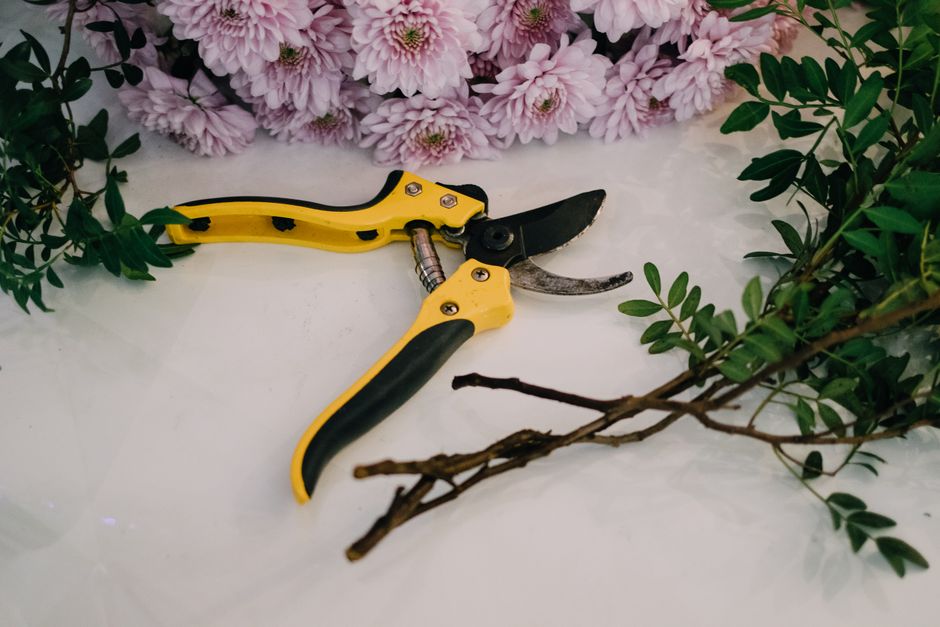
Pruning Chrysanthemums for Longer Indoor Blooms
Discover effective pruning techniques for chrysanthemums to ensure more vibrant and continuous blooms in your indoor garden.
 Plant Care
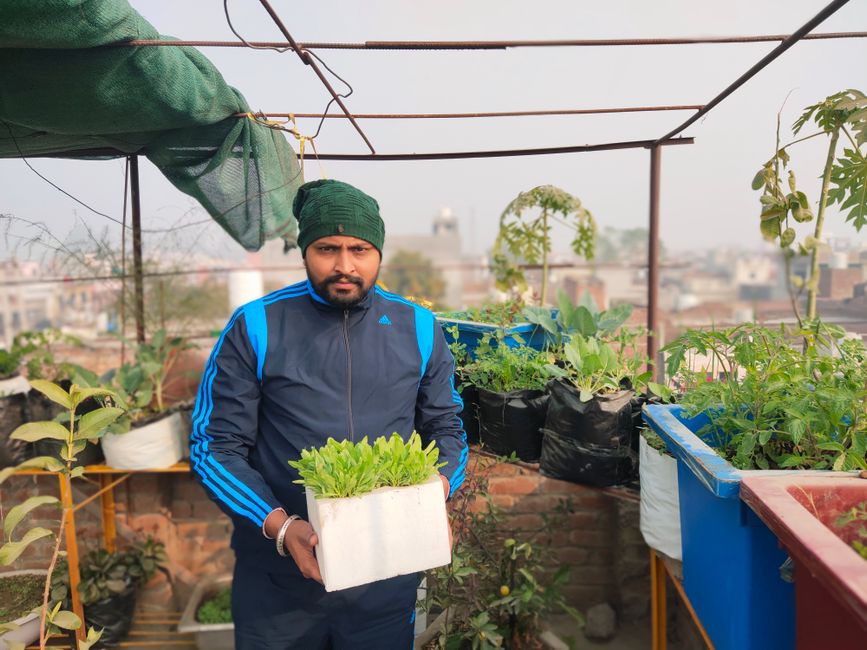
How to Grow Spinach Indoors: Fresh Leaves Year-Round
Learn how to grow fresh spinach indoors all year long, perfect for small spaces and a continuous harvest.
 Plant Care
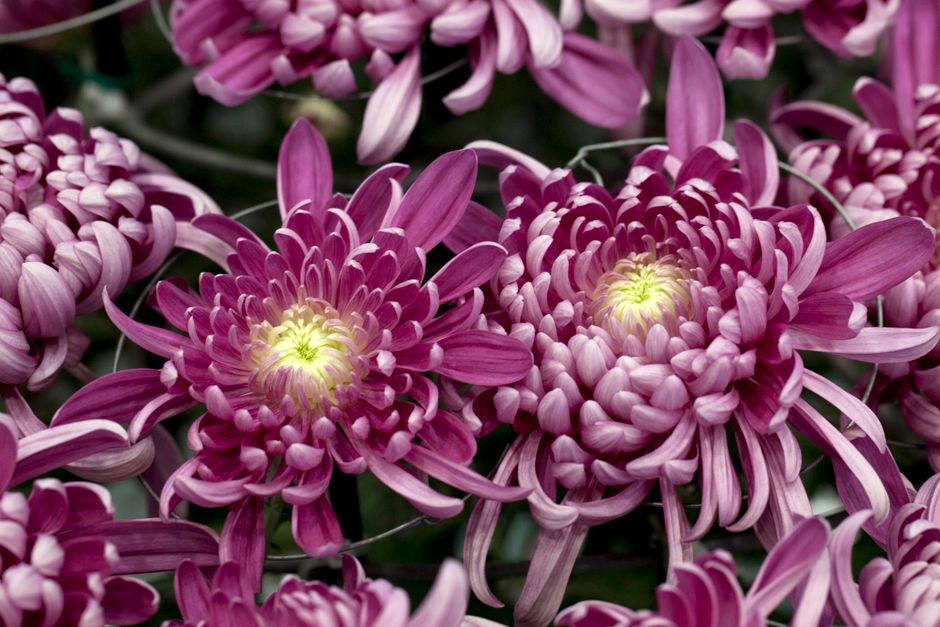
Indoor Chrysanthemum Care: Avoid This Common Mistake
Bringing chrysanthemums indoors for fall decor is popular, but many home growers make a key mistake that causes these vibrant plants to quickly decline.