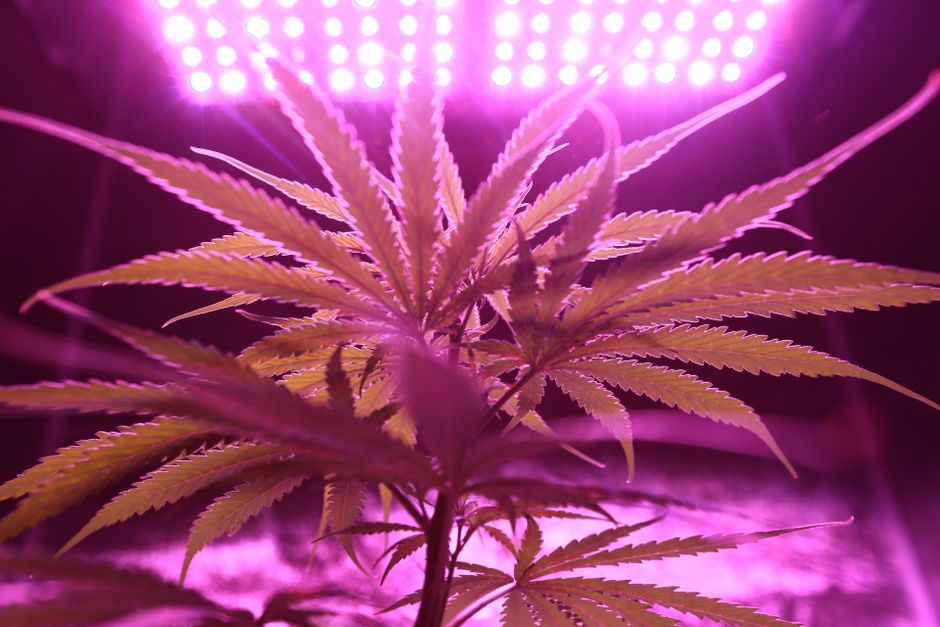
Set Your LED Grow Light Distance for Optimal Growth
Using LED grow lights is a game-changer for indoor gardening, letting you grow fresh produce year-round. But simply having a great light isn't enough. The secret to truly thriving plants often comes down to one critical factor: the correct LED grow light distance. This refers to the vertical measurement between your light fixture and the top of your plants. It directly impacts the intensity and coverage of light your plants receive, which in turn influences their growth, health, and eventual harvest.
Getting this distance right helps you avoid common problems like stretched-out seedlings or burnt leaves. It ensures your plants get just the right amount of energy for robust growth. Let's explore how to master your grow light's positioning.
Why Is the Right LED Grow Light Distance So Important?
The correct LED grow light distance ensures your plants get the optimal amount of light for healthy growth without stress. Light intensity decreases significantly with distance, so placing your light too far away means plants won't get enough energy for photosynthesis. Conversely, too close can cause light burn or heat stress, damaging leaves and hindering development.
Plants need specific light levels for different growth stages. Seedlings are delicate and need less intense light. Mature, fruiting plants often require more powerful illumination. Adjusting the distance allows you to fine-tune this intensity for each phase.
Proper light distance also helps with even canopy coverage. If a light is too close, only the center plants might thrive, leaving the edges struggling. A well-placed light spreads its energy more uniformly across your entire growing area, ensuring all your plants benefit.
How Do You Determine the Best LED Grow Light Distance?
Determining the best LED grow light distance involves considering your specific light's power, the type of plants you're growing, and their current growth stage. Most LED grow light manufacturers provide recommended hanging heights for different plant types and growth phases in their user manuals.
Always start by consulting your light's instruction manual. Manufacturers test their lights to find optimal distances for various scenarios. This is your best starting point for setting up your indoor garden.
Factors That Influence Light Distance
Several factors play a role in finding that sweet spot for your grow light:
- Light Intensity/Wattage: More powerful lights generally need to be hung higher to prevent burning. Lower wattage lights can often be placed closer to your plants without causing damage.
- Plant Type: Different plants have different light requirements. Leafy greens and herbs often prefer moderate light. Fruiting plants like tomatoes or peppers usually demand much higher intensity for good yields.
- Growth Stage: The needs of your plants change as they grow.
- Germination & Seedlings: Young plants are very sensitive. They need gentle light to encourage initial growth without overwhelming them. A greater distance from the light or a lower intensity setting is usually best here.
- Vegetative Growth: As plants grow leaves and stems, they can handle more light. You'll typically lower your light to increase intensity during this phase to promote lush foliage.
- Flowering/Fruiting: This stage requires the highest light intensity for many plants to produce flowers and fruits. Lights are often at their closest effective distance during this time to maximize production.
- Light Type: While most modern LEDs are full spectrum, some specialized lights might have different recommendations. Always follow the manufacturer's advice.
A good rule of thumb for many common home setups is to start with your light about 18-24 inches (45-60 cm) above the plant canopy. Then, carefully monitor your plants' response over the next few days.
What Are the Signs of Incorrect LED Grow Light Distance?
Your plants will clearly tell you if their LED grow light distance is wrong, showing specific symptoms for too much or too little light. Paying close attention to these signs allows you to make timely adjustments and keep your plants healthy and thriving.
Too Close: Overlighting Symptoms
When your grow light is too close, plants experience what's called light burn or heat stress. This can severely damage their leaves and hinder their ability to grow.
- Bleaching or Yellowing: Leaves, especially the ones closest to the light, might turn pale yellow, white, or even develop brown spots. The veins often stay green, which helps distinguish it from a nutrient deficiency.
- Scorched or Crispy Leaves: The edges or tips of leaves may become dry, brittle, and crispy to the touch.
- Stunted Growth: Despite ample light, the plant might stop growing or grow very slowly. It becomes too stressed to develop properly.
- Leaf Curling: Leaves might curl upwards or inwards, trying to protect themselves from the intense light.
If you spot these signs, immediately raise your grow light. For more detail, refer to our guide on Too Much Grow Light? How to Spot & Fix Overlighting.
Too Far: Underlighting Symptoms
If your grow light is too far away, plants don't receive enough energy, leading to leggy growth and poor development. They will actively try to reach the light source.
- Stretching/Legginess: Plants will stretch excessively towards the light, developing long, thin stems and widely spaced leaves. This is a classic sign they are "searching" for more light.
- Pale Green Leaves: Leaves might appear a lighter green than usual, indicating insufficient chlorophyll production.
- Slow Growth: Overall plant growth will be sluggish, and plants may not reach their full potential size or yield.
- Poor Flowering/Fruiting: For blooming plants, flowers may be small, sparse, or fail to develop. Fruits might be small or completely absent.
If your plants look like they're stretching or are too pale, lower your grow light to increase intensity. Our guide Signs Your Plants Need More Grow Light (and How to Fix It) offers more troubleshooting tips.
How Often Should You Adjust Your Grow Light Height?
You should adjust your grow light height regularly, ideally every few days or weekly, especially when plants are actively growing. As your plants grow taller, the distance between the light and the canopy naturally decreases, requiring you to raise the light to maintain the optimal gap.
During the seedling stage, plants grow quickly, so daily checks are a good idea. For mature plants in the vegetative or flowering stage, a weekly check and adjustment usually suffice. Always observe your plants closely. Their response is the best indicator of whether adjustments are needed. Minor tweaks are better than waiting until severe symptoms appear.
When adjusting your light, remember to always unplug the fixture first for safety. Keep electrical components like timers and power strips away from water spills to prevent accidents. This simple step protects both you and your equipment.
Tips for Setting and Maintaining Your Grow Light Distance
Setting and maintaining the right LED grow light distance is simpler with a few practical tools and habits. These tips will help you keep your plants happy and thriving under their artificial sun.
- Use a Ruler or Tape Measure: Don't guess. Regularly measure the distance from the bottom of your light fixture to the top of your plant canopy to ensure consistency. This helps you track what works best.
- Install Adjustable Hangers: Ratchet hangers or adjustable rope hangers make it incredibly easy to raise and lower your grow light with minimal effort. This is a worthwhile investment for any indoor grower.
- Observe Plant Canopy Evenness: Try to keep your plant canopy as even as possible. If some plants are taller than others, you might need to use risers for shorter plants or prune taller ones to create a more uniform height under the light.
- Start Conservatively: If you're unsure, start with the light a bit higher than you think. Then, gradually lower it over a few days while observing your plants' response. It's easier to move a light closer than to recover from severe light burn.
- Document Your Setup: Keep a small journal of your grow light distances for different plant types and growth stages. This will be an invaluable reference for future grows and help you fine-tune your approach.
Final Thoughts
Mastering the correct LED grow light distance is a fundamental skill for any indoor grower, ensuring your plants receive exactly what they need to flourish. By paying attention to your plants and making small, consistent adjustments, you'll see healthier growth and more abundant harvests. Keep exploring our MicroVeg guides for more indoor growing tips!
Frequently Asked Questions
Can I use one LED grow light for all plant growth stages?
Yes, many full-spectrum LED grow lights are designed to support plants through all stages, from seedling to flowering, with adjustments in light intensity or distance.
How do I know if my specific LED grow light is powerful enough?
Check the manufacturer's specifications for PPFD or PAR values at different heights, and compare them to the general light requirements for your plants.
Does the light distance change for microgreens compared to larger plants?
Yes, microgreens typically need less intense light and often benefit from lights placed a bit further away or at a lower intensity to prevent scorching their delicate leaves.
What if I have plants of different heights under one light?
You can use risers or elevate shorter plants to bring their canopy closer to the light, or prune taller plants to create a more even canopy for optimal light distribution.
Explore More Grow Lights Guides
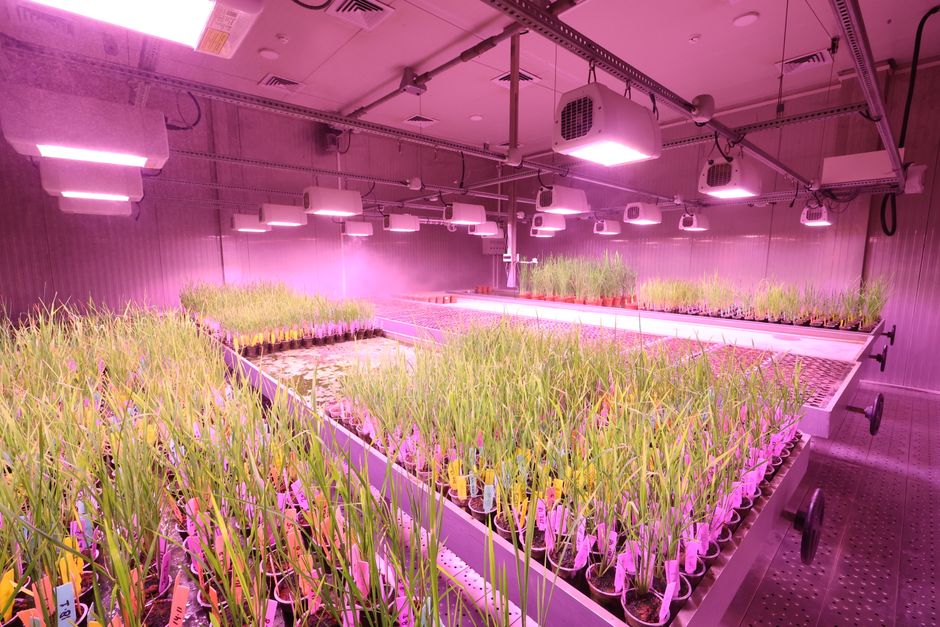 Grow Lights
LED vs Fluorescent Grow Lights: Which Is Best for You?
Choosing the right grow light is crucial for indoor success. Learn the differences between LED and fluorescent lights to make the best choice.
 Grow Lights
Grow Light vs Natural Light: Best for Your Indoor Plants?
Learn whether natural sun or a specialized grow light is the best choice for cultivating thriving indoor plants in your home garden.
 Grow Lights
Signs Your Plants Need More Grow Light (and How to Fix It)
Discover how to spot the common signs of grow light deficiency and learn practical steps to give your indoor plants the light they need to thrive.