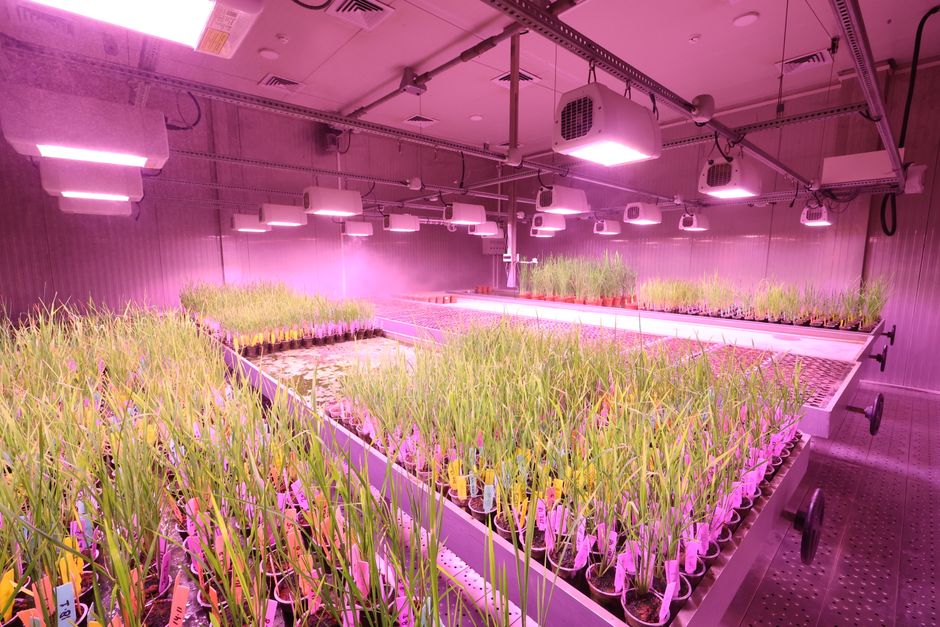
LED vs Fluorescent Grow Lights: Which Is Best for You?
Indoor gardening is exciting, and choosing the right equipment sets you up for success. One big decision home growers face is picking between different types of artificial lighting. When comparing LED vs fluorescent grow lights, you're looking at two popular options for providing the spectrum your plants need to thrive indoors. LED grow lights use light-emitting diodes to produce light efficiently, while fluorescent grow lights rely on a gas and phosphor coating inside a tube to create a broader spectrum. Each has its pros and cons for your small-space garden, impacting everything from energy bills to plant growth.
Why Compare LED and Fluorescent Grow Lights?
Both LED and fluorescent grow lights offer effective ways to support plant growth indoors, but they differ significantly in technology, cost, and performance. Understanding these differences helps you make an informed choice that fits your budget, energy goals, and plant needs. This comparison is especially important for beginners setting up their first indoor garden, as the right light can make a huge difference in plant health and yield. Knowing what each type offers can save you money and frustration in the long run.
How Do LED Grow Lights Work for Indoor Plants?
LED grow lights use small, efficient light-emitting diodes to produce specific wavelengths of light that plants use for photosynthesis. These lights are known for their long lifespan, low energy consumption, and often cooler operation compared to traditional lighting. Many LED grow lights allow for customized light spectrums, meaning you can get lights tailored for vegetative growth, flowering, or full-cycle support. They come in various forms, from small bars and strips perfect for microgreens to larger panels designed for bigger plants, making them versatile for different indoor setups.
LED technology allows for precise light delivery, which means less wasted energy and more focused light for your plants. Some advanced LED systems even offer dimming capabilities and programmable timers, giving you full control over your plant's light environment. Understanding LED grow light specs can help you choose the right intensity and coverage for your specific plants. You also need to consider the appropriate distance from your plants. Setting your LED grow light distance correctly is crucial for optimal growth and to avoid issues like light burn.
What Are Fluorescent Grow Lights and How Do They Help Plants?
Fluorescent grow lights produce light by exciting gas inside a glass tube, which then emits UV light that's converted into visible light by a phosphor coating. These lights have been a staple for indoor growers for decades, especially for starting seeds and growing leafy greens. They typically emit a broader spectrum than many basic LEDs, often coming in "cool white" for vegetative growth or "warm white" for flowering.
Common types include T5, T8, and T12 bulbs, with T5s being the most efficient and popular for indoor gardening due to their higher output for their size. While they do produce some heat, it's generally less intense than older High-Intensity Discharge (HID) lights, making them suitable for closer placement to plants without causing significant heat stress. Fluorescent lights are simple to set up and operate, often requiring just a fixture and bulbs, which makes them a popular budget-friendly choice for many home growers.
LED vs Fluorescent: Key Differences for Home Growers
Choosing between LED and fluorescent grow lights involves weighing several factors, from initial investment to long-term operational costs and plant-specific needs. Each type of light has distinct advantages and disadvantages that will impact your growing experience and the success of your indoor garden.
Energy Use and Cost
LED grow lights are significantly more energy-efficient than fluorescent lights, meaning they use less electricity to produce the same amount of light. This translates directly to lower electricity bills over time, especially when running lights for 12 to 18 hours a day. While fluorescent lights are more efficient than old incandescent bulbs, they still consume more power for a comparable light output when stacked against modern LEDs.
Over the lifespan of your grow lights, the energy savings from LEDs can be substantial, making them a more eco-friendly and cost-effective choice in the long run. When you're setting your LED grow light schedule, you can rest assured that your energy usage is optimized.
Light Spectrum and Plant Growth
LEDs offer greater control over the light spectrum, allowing manufacturers to create lights with precise wavelengths optimized for specific stages of plant growth. You can find full-spectrum LEDs that mimic natural sunlight, providing a balanced light for all growth stages. There are also specialized red and blue spectrum lights for targeted growth, promoting either vegetative vigor or flowering and fruiting.
Fluorescent lights typically offer a broader, less tailored spectrum, usually categorized as cool white (more blue light for vegetative growth) or warm white (more red light for flowering). For microgreens and leafy greens, both types can work very well, as these plants generally don't require highly specialized spectrums. For fruiting or flowering plants, a full-spectrum LED or a combination of warm and cool fluorescents might be needed to support their entire life cycle.
Lifespan and Heat Output
LED grow lights boast a much longer lifespan, often lasting tens of thousands of hours, which means fewer replacements and less waste. They also produce less heat per unit of light, which can be a significant advantage in a small grow space or grow tent. Lower heat output means less need for extensive ventilation, potentially simplifying your setup and reducing cooling costs.
Fluorescent bulbs have a shorter lifespan, requiring more frequent replacement, typically every 6-12 months for optimal performance. While they are cooler than HID lights, they do emit more heat than LEDs, especially when several tubes are grouped together. This added heat can sometimes affect room temperature or necessitate slightly more distance from delicate plants to prevent scorching. Remember to keep electrical connections and ballasts for any grow light system away from water to prevent electrical hazards and ensure safety.
Initial Cost vs. Long-Term Value
The upfront cost of LED grow lights is generally higher than fluorescent fixtures and bulbs. A complete, quality LED setup can represent a larger initial investment. However, due to their superior energy efficiency, much longer lifespan, and often better light performance, LEDs tend to offer better long-term value. The savings on electricity and bulb replacements can quickly offset the higher initial price.
Fluorescent fixtures and bulbs are cheaper to buy initially, making them an attractive option for beginners on a tight budget or for smaller, temporary setups like seed starting stations or a dedicated microgreens tray. They provide a low barrier to entry for new indoor growers wanting to experiment without a significant financial commitment.
Which Grow Light Is Right for Your Indoor Garden?
The best grow light for you depends on your specific needs, budget, and the types of plants you plan to grow. If you are starting seeds, growing microgreens, or cultivating leafy greens like lettuce and herbs, fluorescent lights can be a very cost-effective and efficient choice. They provide good light coverage for these types of plants without a large initial investment, making them ideal for small, simple setups.
If you're looking for a more advanced, energy-efficient solution with precise light control and a longer lifespan, LED grow lights are an excellent option. They are ideal for growing a wider variety of plants, including those that flower and fruit, and offer significant savings on electricity and bulb replacements over many years. Consider your long-term goals and how much you want to invest upfront versus saving on running costs. For serious long-term growers or those with higher-value plants, the benefits of LEDs usually outweigh the initial cost.
Final Thoughts
Choosing between LED vs fluorescent grow lights is a key step in setting up a successful indoor garden. Both options have their place, offering unique benefits for home growers. By considering factors like energy use, spectrum control, lifespan, and overall cost, you can select the perfect lighting solution to help your indoor plants flourish. Explore more MicroVeg guides to continue enhancing your growing skills.
Frequently Asked Questions
Are LED grow lights better for all types of plants?
LEDs offer versatile spectrums and are excellent for a wide range of plants, including fruiting and flowering varieties, but for simple leafy greens and seed starting, fluorescents can be a cost-effective alternative.
How much heat do fluorescent lights produce?
Fluorescent lights produce more heat than LEDs but less than older HID lights, making them generally safe for closer plant placement, though air circulation is still important.
Can I use regular shop lights as grow lights?
Yes, many fluorescent shop lights can be used as grow lights, especially for seedlings and leafy greens, as long as they provide sufficient light intensity and the correct spectrum (often cool white).
What is the main advantage of LED grow lights?
The main advantages of LED grow lights are their superior energy efficiency, longer lifespan, and the ability to customize light spectrums for optimal plant growth.
Explore More Grow Lights Guides
 Grow Lights
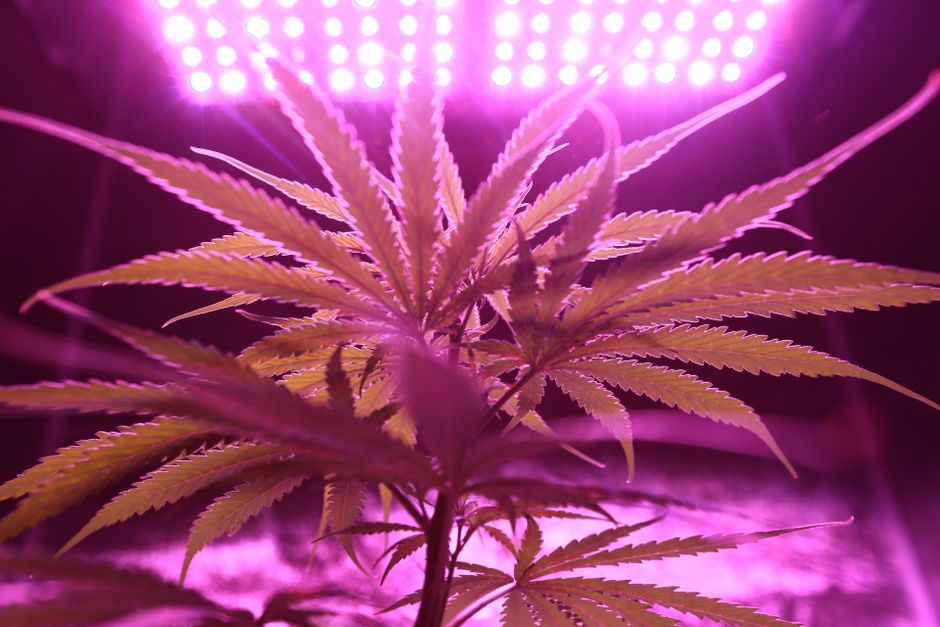
Set Your LED Grow Light Distance for Optimal Growth
Finding the right LED grow light distance is crucial for healthy indoor plants. Learn how to position your lights for the best results.
 Grow Lights
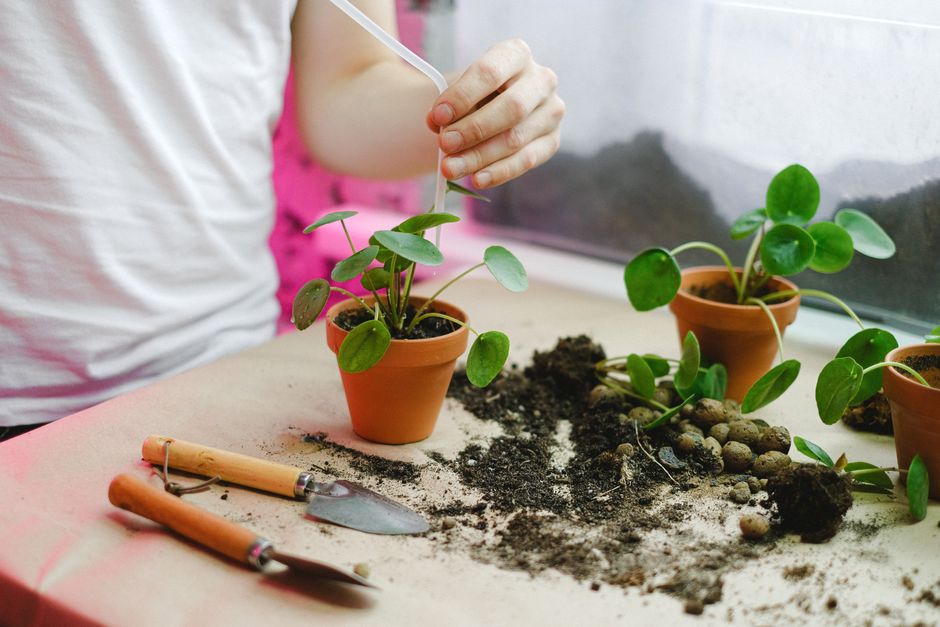
Grow Light vs Natural Light: Best for Your Indoor Plants?
Learn whether natural sun or a specialized grow light is the best choice for cultivating thriving indoor plants in your home garden.
 Grow Lights
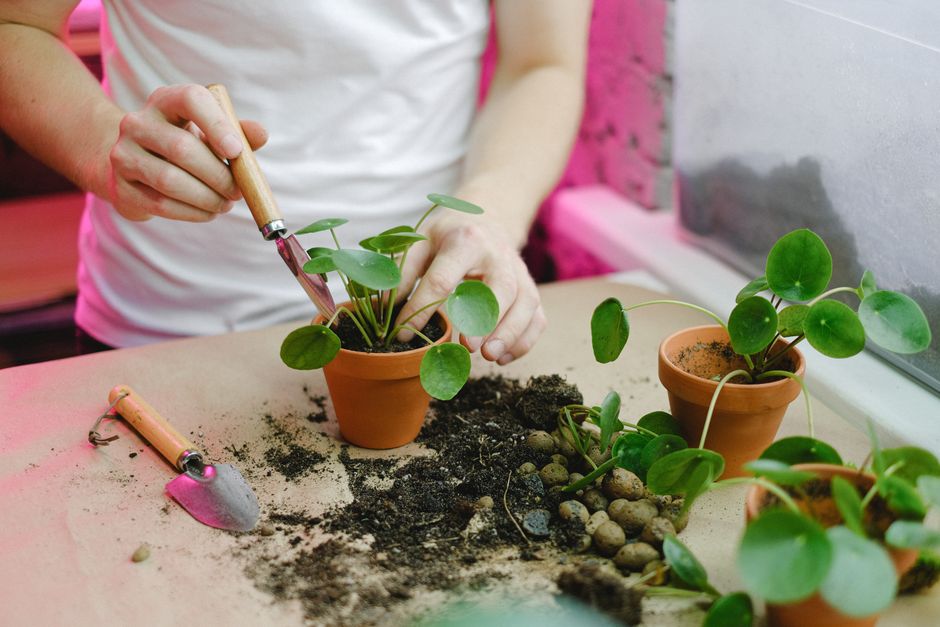
Signs Your Plants Need More Grow Light (and How to Fix It)
Discover how to spot the common signs of grow light deficiency and learn practical steps to give your indoor plants the light they need to thrive.