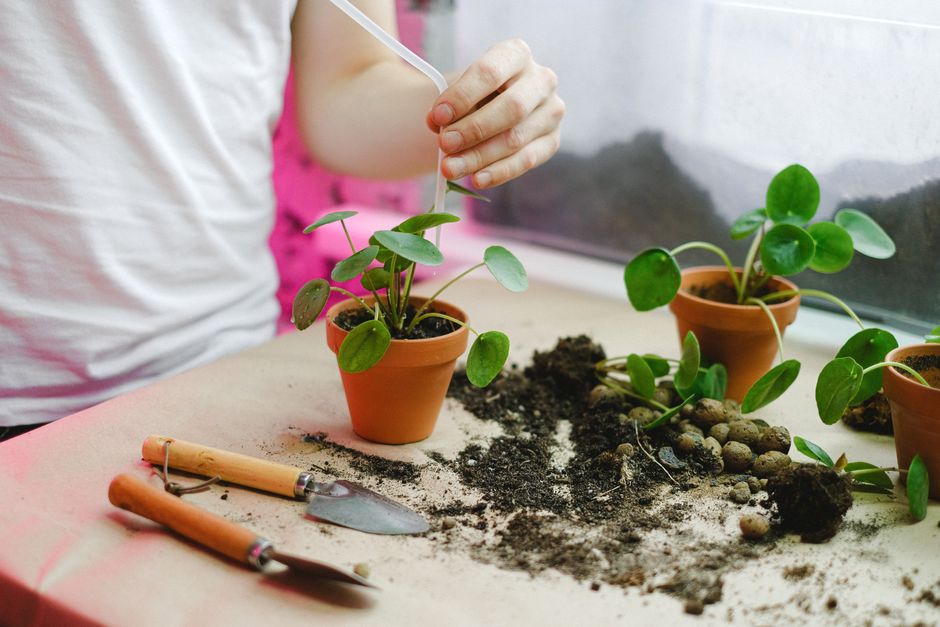
Grow Light vs Natural Light: Best for Your Indoor Plants?
Grow Light vs Natural Light: Best for Your Indoor Plants?
As an indoor plant parent, you’ve probably asked yourself: which is better, a grow light or natural light? This is a common question, and understanding the difference is key to a happy, healthy indoor garden. Grow light vs natural light refers to the two main ways to provide light for your indoor plants: using artificial lighting specifically designed for plant growth, or relying on sunlight coming through your windows. Both have their unique advantages and disadvantages for home growers.
Choosing the right light source can make all the difference for your plants, from strong growth to abundant harvests. Let's break down each option so you can make an informed decision for your green companions.
Why Do Indoor Plants Need the Right Light?
Indoor plants need the right light because light is their primary energy source for photosynthesis, the process by which they convert light into food. Without enough light of the correct intensity and spectrum, plants cannot grow properly, leading to weak stems, pale leaves, and poor yields.
Think of light as food for your plants. Just as you need a balanced diet, your plants need a balanced light source. Different plants have different light requirements, but all need some form of light to thrive. Getting this right is foundational to successful indoor gardening, whether you’re growing herbs, microgreens, or larger houseplants.
What Are the Advantages of Growing Plants with Natural Sunlight?
The main advantages of growing plants with natural sunlight are that it's free, readily available, and provides a full spectrum of light that plants naturally evolved to use. There's no cost for electricity, and no equipment to set up, making it the most budget-friendly option for many home growers.
Natural sunlight, especially from a south-facing window in the Northern Hemisphere, can be incredibly powerful. It offers a broad spectrum of light wavelengths, mimicking the conditions plants experience outdoors. Many plants will respond well to bright, consistent natural light, producing vibrant foliage and strong growth.
Using natural light also connects you more directly with the rhythms of nature. You’ll notice how your plants respond to the changing seasons, feeling more in tune with their needs. For those with ample, unobstructed window space, natural light can be an excellent primary light source.
What Are the Limitations of Relying on Natural Light Indoors?
Relying on natural light indoors has several limitations, primarily due to inconsistent intensity, varying duration, and often insufficient quantity of light reaching your plants. Windows filter out much of the beneficial light spectrum and intensity, and light levels drop significantly the further a plant is from the glass.
The biggest challenge is consistency. Sunlight intensity changes with the time of day, weather conditions, and seasons. A cloudy winter day offers far less light than a sunny summer afternoon. This inconsistency can stress plants and hinder steady growth.
Window direction also plays a huge role. North-facing windows provide very little direct light, while east and west windows offer direct light only for part of the day. Only south-facing windows typically offer sustained bright light, but even then, obstructions like buildings or trees can reduce its effectiveness.
Furthermore, standard window glass blocks crucial UV rays and reduces overall light intensity. This means your plants might not be getting the full spectrum or strength of light they need, even if the room looks bright to your eyes. This is often why plants become leggy indoors, stretching for more light than they receive.
What Are the Benefits of Using a Grow Light for Indoor Plants?
Using a grow light for indoor plants offers precise control over light intensity, duration, and spectrum, allowing you to create optimal growing conditions regardless of natural light availability. This control leads to more consistent, vigorous plant growth and higher yields.
Grow lights, especially modern LED grow lights, are highly efficient and can be tailored to specific plant needs. You can place your plants anywhere in your home, even in a dark corner, and provide them with the exact amount of light they require for each growth stage. This flexibility makes indoor gardening possible year-round, regardless of outside weather or season.
With a grow light, you eliminate the guesswork. You can set a consistent light schedule using a timer, ensuring your plants receive the same amount of light every day. This predictability reduces stress on plants and promotes steady development. Many growers find this level of control invaluable for growing microgreens, herbs, and even fruiting plants indoors.
What Should You Consider When Using Grow Lights?
When using grow lights, you should consider the initial cost, ongoing electricity usage, the heat they produce, and the specific needs of your plants to ensure proper setup and care. While beneficial, grow lights do require an investment of time and money.
The initial purchase of a quality grow light can be an expense. However, many options exist for different budgets and plant needs. You'll also see an in crease in your electricity bill, although modern LED lights are much more energy-efficient than older technologies. Always make sure electrical cords and timers for your grow lights are safely away from water spills to prevent hazards.
Heat output is another factor. Some grow lights can generate significant heat, which might require additional ventilation or careful placement to avoid overheating your plants. LED grow lights generally produce less heat, making them a popular choice for small indoor setups.
Lastly, understanding how to use your grow light effectively is important. Setting the correct light schedule and intensity for your specific plants prevents issues. Proper distance from the plants is also crucial.
Choosing the Right Grow Light
Choosing the right grow light involves matching its features to your plants' specific light requirements and your growing space. Consider the light's power, spectrum, and coverage area.
For most home growers, full-spectrum LED grow lights are an excellent choice. They mimic natural sunlight and are suitable for all plant growth stages. Look at the light's wattage and its recommended coverage area to ensure it's appropriate for the number and type of plants you plan to grow. If you want to learn more about picking the right light, check out our guide on LED Grow Light Specs: What Home Growers Need to Know.
How Do You Decide Between Natural Light and Grow Lights?
You decide between natural light and grow lights by assessing your available window light, the specific light needs of your plants, and your goals for indoor gardening. If your natural light is insufficient, a grow light is almost always the better option.
Start by evaluating your home's natural light. How many hours of direct sun do your windows receive? Is it consistent throughout the day and year? If you have abundant, strong, and consistent natural light, especially from a south-facing window, you might be able to grow many plants successfully without supplemental lighting.
However, if your windows are shaded, or if you want to grow plants that require very high light levels (like fruiting vegetables) or grow year-round, grow lights become essential. They offer the predictability and intensity that natural light often lacks indoors. Many home growers find a combination works best, using natural light as a base and supplementing with grow lights during shorter days or for specific plants.
Final Thoughts
The choice between a grow light vs natural light ultimately depends on your specific growing environment and what you want to achieve with your indoor garden. Both options have their place, and often, a combination provides the best results for thriving plants. Explore more MicroVeg guides to continue your indoor growing journey!
Frequently Asked Questions
Can all plants grow under natural light indoors?
No, not all plants can thrive under natural light indoors. While some low-light plants do well, many plants, especially those that fruit or flower, require more intense and consistent light than most windows can provide.
Is natural sunlight always better than artificial light for plants?
Natural sunlight is ideal outdoors, but indoors, its intensity and duration are often too low and inconsistent compared to a properly chosen grow light. For indoor growing, a grow light can often provide superior and more consistent conditions.
Do I need a grow light if I have a sunny window?
You might not need a grow light if you have a truly sunny, unobstructed south-facing window that provides 6+ hours of direct light daily, especially for low to medium-light plants. However, for high-light plants or year-round growth, a grow light can still be beneficial.
How can I tell if my indoor plants need more light?
Signs your indoor plants need more light include leggy, stretched stems, small or pale leaves, slow growth, and failure to flower or fruit. Plants may also lean significantly towards the light source.
Explore More Grow Lights Guides
 Grow Lights
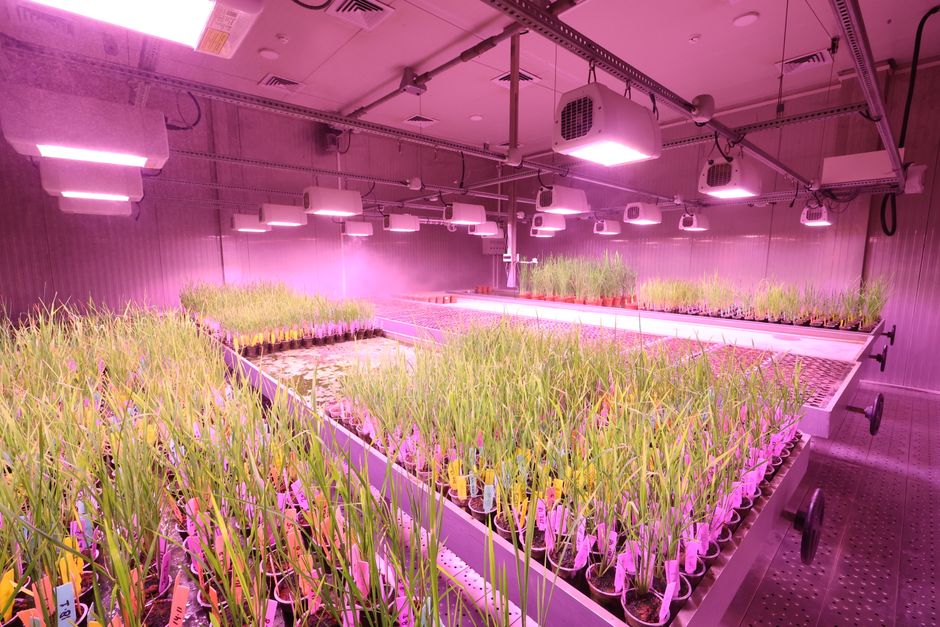
LED vs Fluorescent Grow Lights: Which Is Best for You?
Choosing the right grow light is crucial for indoor success. Learn the differences between LED and fluorescent lights to make the best choice.
 Grow Lights
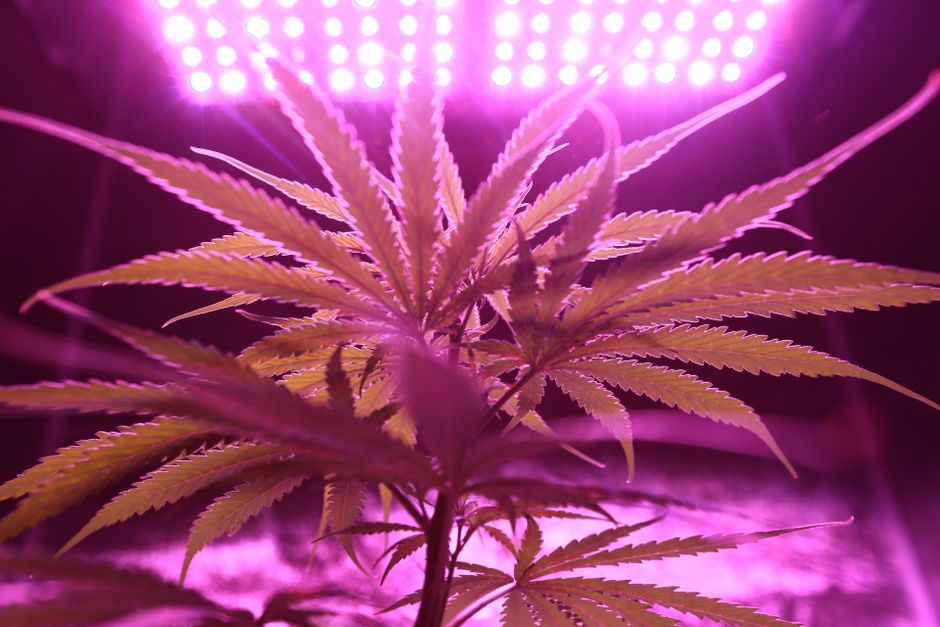
Set Your LED Grow Light Distance for Optimal Growth
Finding the right LED grow light distance is crucial for healthy indoor plants. Learn how to position your lights for the best results.
 Grow Lights
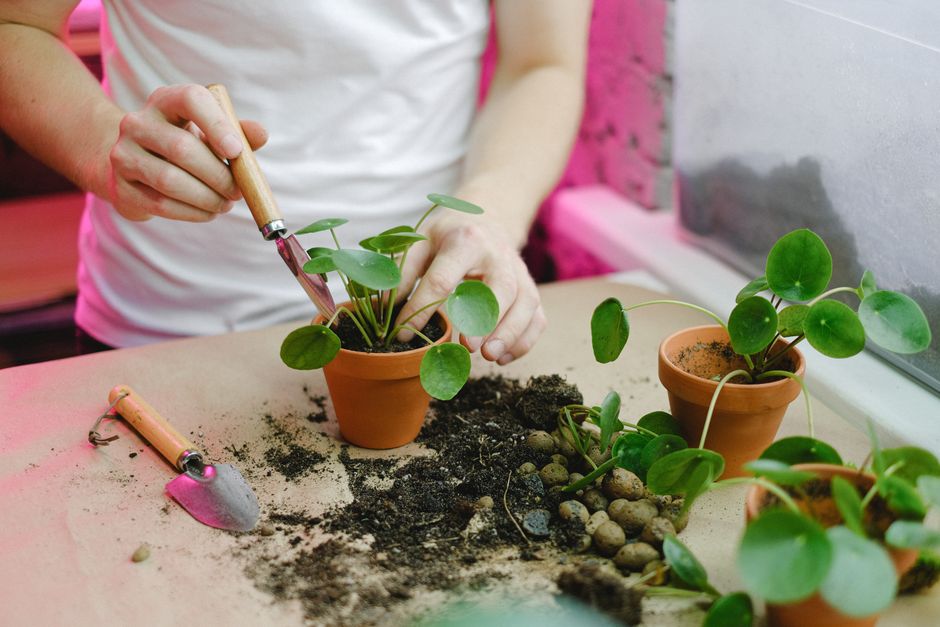
Signs Your Plants Need More Grow Light (and How to Fix It)
Discover how to spot the common signs of grow light deficiency and learn practical steps to give your indoor plants the light they need to thrive.