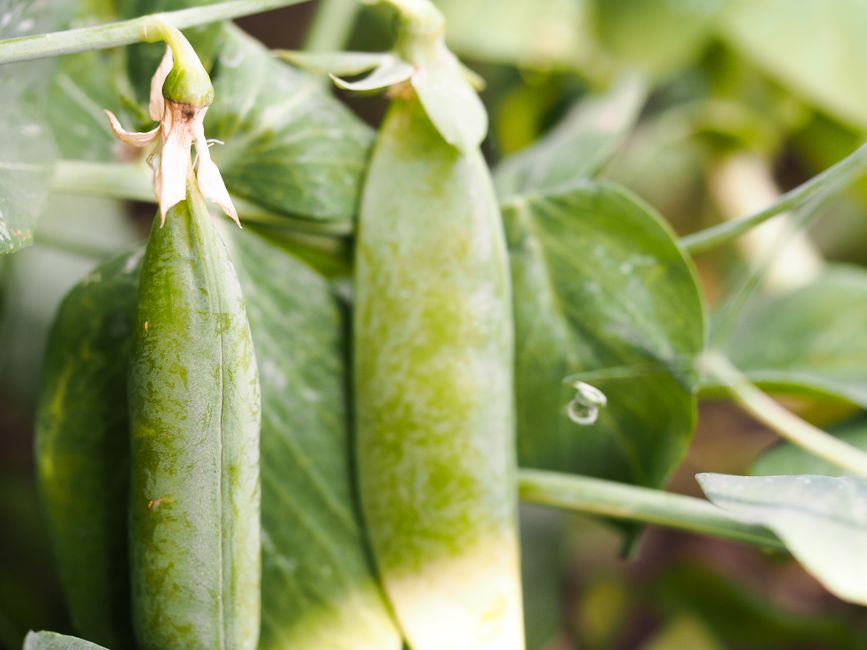
Can You Regrow Pea Shoots After Harvesting?
Can You Regrow Pea Shoots After Harvesting?
Absolutely, you can regrow pea shoots after harvesting, and it's a fantastic way to extend your harvest and get more delicious greens from a single planting. Pea shoots are the tender young greens of the pea plant, typically harvested when they are just a few inches tall, offering a sweet, fresh flavor perfect for salads, sandwiches, or garnishes.
Unlike many other microgreens that are a one-and-done harvest, pea shoots have a unique ability to produce new growth if harvested correctly. This makes them incredibly rewarding for indoor gardeners looking for continuous fresh produce.
When Are Pea Shoots Ready for Their First Harvest?
Pea shoots are typically ready for their first harvest within 7 to 14 days after planting, once they reach a height of 4-6 inches. Look for vibrant green leaves and strong, upright stems.
The most important visual cue is the development of their first true leaves, which appear after the initial cotyledon leaves. While you can harvest them slightly earlier, waiting for a bit more growth ensures a more substantial yield. Don't let them get too tall or start to vine significantly, as they can become tougher and lose some of their sweetness.
Timing is key to tenderness and flavor. Harvesting them when they are still young and tender ensures the best taste and texture for your culinary creations.
How to Harvest Pea Shoots for Multiple Cuttings
To successfully regrow pea shoots, you need to use a specific harvesting technique that leaves enough of the plant intact to sprout again. This method allows the pea plant to put energy into new growth from the nodes.
Always wash your hands and tools before harvesting to prevent introducing any bacteria or mold. After harvesting, wash your pea shoots thoroughly before eating them.
What You'll Need for Harvesting
- Sharp scissors or a clean, sharp knife
- A clean container or bowl for your harvested shoots
Step-by-Step Harvesting for Regrowth
Start by identifying the growth nodes on your pea shoots. These are small bumps or points along the stem where new leaves or branches emerge. When harvesting for regrowth, you want to cut above one of these nodes.
Position your scissors or knife about one inch above the growing medium, or just above the lowest set of true leaves. Make a clean, straight cut across the stems of your pea shoots. Avoid tearing or tugging at the plants, as this can damage the remaining plant and hinder future growth.Collect all the cut shoots into your bowl. After the initial harvest, continue to provide your pea shoots with adequate light and water. New growth should emerge from the nodes you left behind within a few days to a week.
How Many Times Can You Regrow Pea Shoots?
You can typically regrow pea shoots for two to three additional harvests after the initial cutting, though this can vary based on growing conditions and variety. The subsequent harvests will likely yield smaller amounts and potentially thinner shoots than the first.
Factors like the initial health of your seeds, the quality of your growing medium, and consistent light and nutrient availability all play a role. If you notice the regrowth becoming very sparse or weak, or if the plants show signs of yellowing or disease, it's usually time to start a new batch. Don't expect endless harvests from a single planting.
Troubleshooting Common Pea Shoot Regrowth Problems
Sometimes, your pea shoots might not regrow as expected, or you might encounter other issues. Understanding common problems can help you get back on track.
If your pea shoots aren't regrowing, the most common reason is cutting too low on the stem, removing the growth nodes necessary for new shoots. Make sure to leave at least an inch of stem with a node or two intact.
Weak or sparse regrowth can also be a sign of depleted nutrients in your growing medium. If you're using a soilless medium, consider adding a very diluted hydroponic nutrient solution after the first harvest to support new growth. For soil, ensuring it was nutrient-rich from the start helps.
Mold is another common issue, especially in humid or poorly ventilated indoor setups. If you notice mold on your growing medium or shoots, it's best to discard the batch and start fresh to prevent spreading. Proper air circulation and avoiding overwatering are crucial for prevention. For more on this, check out our guide on Stop Mold on Microgreens: Your Guide to Healthy Harvests.
Insufficient light can also lead to poor regrowth, as the plants need energy to regenerate. Ensure your pea shoots are receiving plenty of light, ideally from a dedicated grow light for 12-16 hours a day.
Final Thoughts
Regrowing pea shoots after harvesting is a simple yet rewarding technique that allows you to maximize your indoor microgreen garden. By making precise cuts and providing consistent care, you can enjoy multiple rounds of fresh, homegrown pea shoots. Keep exploring the world of indoor gardening with more MicroVeg guides!
Frequently Asked Questions
How long does it take for pea shoots to regrow?
Pea shoots typically begin to show new growth within a few days to a week after the initial harvest, with a full second harvest ready in about 7-10 days.
Do I need to fertilize pea shoots for regrowth?
While not always necessary for the first regrowth, providing a very diluted hydroponic nutrient solution after the initial harvest can support stronger and more vigorous second or third cuttings.
Can all microgreens be regrown like pea shoots?
No, most microgreens like radish or broccoli are single-harvest crops because they are cut below the cotyledons, removing the plant's ability to regrow.
What kind of peas are best for growing shoots?
Any variety of garden pea (Pisum sativum) can be grown for shoots, but 'Sugar Snap' or 'Snow Pea' varieties are popular choices for their sweet flavor and vigorous growth.
Explore More Microgreens Guides
 Microgreens
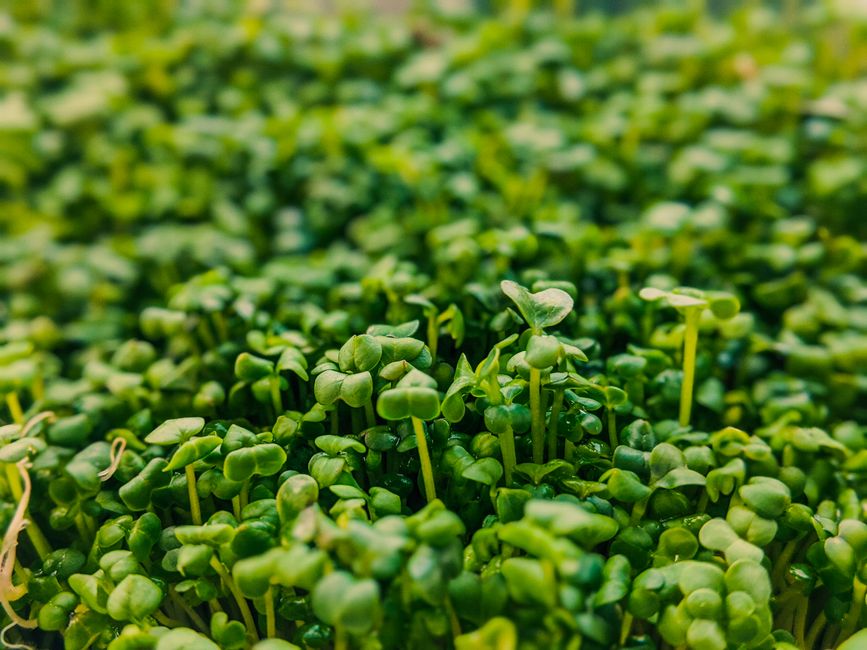
When to Harvest Microgreens: Your Guide to Perfect Timing
Learn the best time to harvest your microgreens for maximum flavor and nutrition, ensuring a perfect crop every time.
 Microgreens
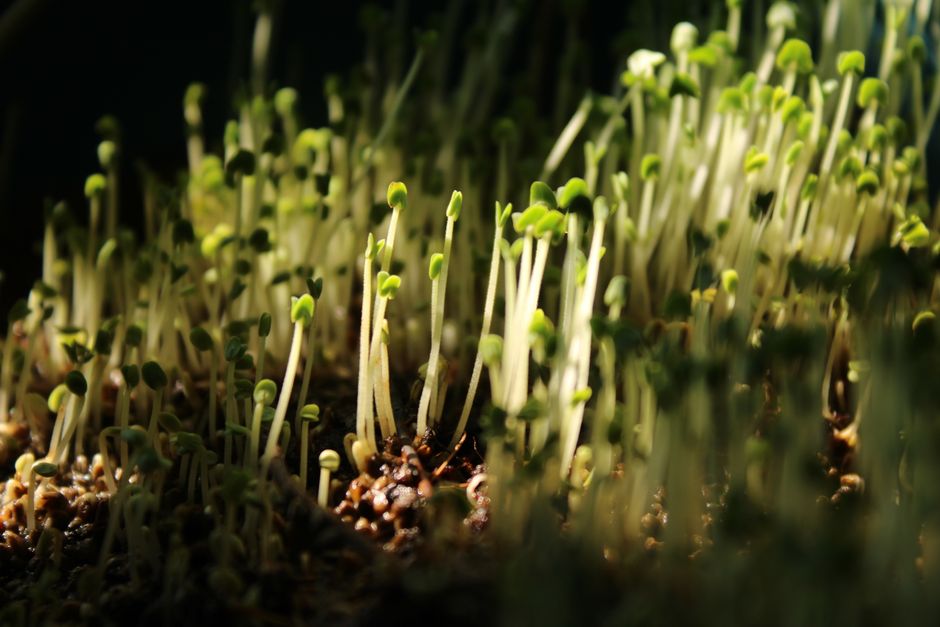
Easiest Microgreens to Grow: Your Quick Start Guide
Discover the easiest microgreens to grow at home with this beginner-friendly guide, perfect for quick, fresh harvests.
 Microgreens
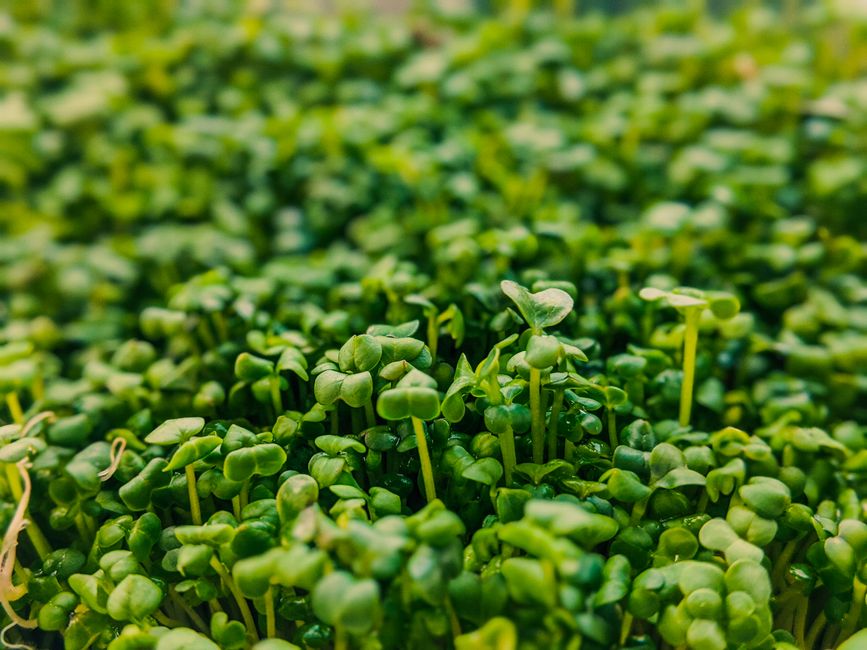
Stop Mold on Microgreens: Your Guide to Healthy Harvests
Learn how to prevent common mold issues on your microgreens for a safe and successful indoor harvest.