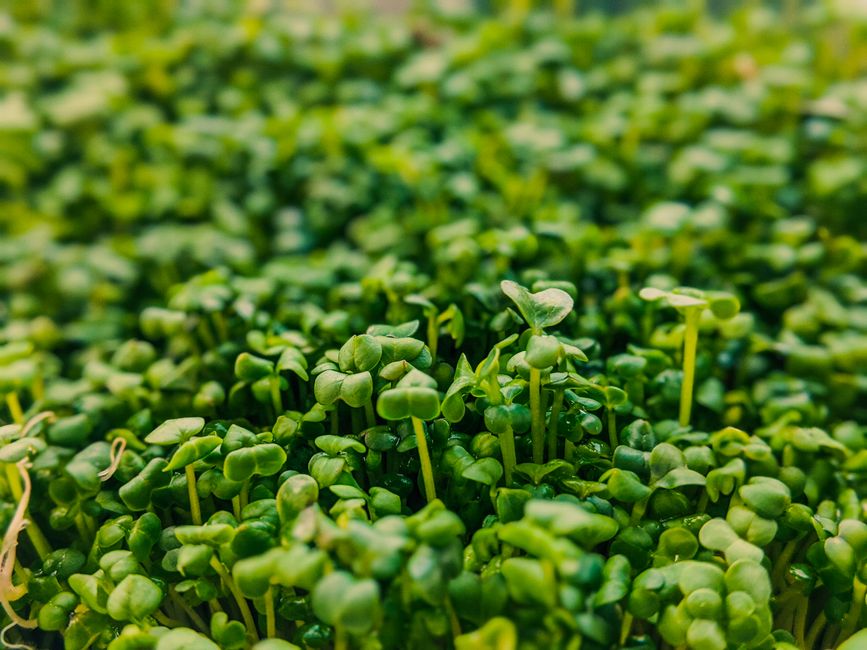
Stop Mold on Microgreens: Your Guide to Healthy Harvests
Stop Mold on Microgreens: Your Guide to Healthy Harvests
Seeing fuzzy, white growth on your indoor microgreens can be a disheartening sight for any home grower. This common issue, often referred to as mold on microgreens, is a type of fungal growth that appears on seeds, stems, or the growing medium. It's usually a sign that your growing conditions are a little off. Don't worry, dealing with mold is a common challenge, but with the right knowledge and a few adjustments, you can get back to growing healthy, delicious microgreens.
This guide will walk you through identifying mold, understanding why it appears, and most importantly, how to prevent it so you can enjoy safe and abundant harvests.
Why Do Microgreens Get Mold?
Microgreens often develop mold due to excessive humidity, poor air circulation, contaminated seeds or growing medium, and warm temperatures.
Mold thrives in specific conditions, and microgreen setups can sometimes accidentally create the perfect environment for it. Here are the main culprits:
- High Humidity: Microgreens need humidity to germinate, but too much moisture trapped around the seedlings, especially after they've sprouted, invites mold. Humidity domes left on too long are a common cause.
- Poor Air Circulation: Stagnant air allows moisture to sit on plant surfaces and the growing medium, creating a breeding ground for mold spores. Your indoor growing space might not have enough natural airflow.
- Overwatering: Keeping your growing medium constantly saturated, rather than just moist, deprives roots of oxygen and creates a damp environment on the surface where mold can easily take hold.
- Contaminated Seeds or Medium: Sometimes, mold spores can be present on the seeds themselves or in non-sterile growing mediums. Even a small amount can quickly spread under favorable conditions.
- Overcrowding: Planting seeds too densely prevents air from circulating freely around individual seedlings, increasing localized humidity and making them more susceptible to mold.
- Warm Temperatures: Most molds prefer warmer temperatures, so a warm growing area combined with high humidity can accelerate mold growth.
Is Mold on Microgreens Dangerous?
Yes, most types of mold found on microgreens can be harmful if consumed, potentially causing allergic reactions or producing toxins.
When you see mold on your microgreens, it is always best to err on the side of caution. While some molds might appear harmless, others can produce mycotoxins, which are toxic compounds. Consuming these can lead to various health issues, especially for individuals with compromised immune systems or allergies. Even if the mold itself isn't highly toxic, its presence indicates unhealthy growing conditions that could also harbor bacteria.
For the safety of yourself and anyone else who might consume your microgreens, you should always discard any batch that shows signs of mold. Do not try to wash it off or salvage parts of the crop. It is not worth the risk.
How to Identify Mold vs. Root Hairs on Microgreens
Mold typically appears as fuzzy, cobweb-like, or discolored growth that clings to the growing medium or stems, while healthy root hairs are fine, white, and emerge directly from the seed or stem.
Many new growers confuse harmless root hairs with mold, which is an understandable mistake. Both can look white and fuzzy. However, there are key differences that help you tell them apart:
Key Differences to Spot
- Appearance: Root hairs are very fine, thread-like structures that radiate directly from the seed or base of the stem. They look like tiny, delicate fibers. Mold, on the other hand, often looks like a thicker, more irregular patch of fuzz, sometimes resembling a spiderweb, or it might be slimy or powdery. It can also appear in various colors, from white to grey, green, or black.
- Location: Root hairs always grow from the root structure, pushing into the growing medium or extending slightly above it if conditions are very humid. Mold can appear anywhere on the growing medium, on the seeds, on the stems, or even on the leaves.
- Smell: Healthy microgreens and their root systems should smell fresh and earthy. Mold often has a distinct musty, stale, or even foul odor. If your microgreen tray smells off, it's likely mold.
- Feel: If you can gently touch it, mold might feel somewhat slimy or powdery, whereas root hairs are delicate and usually disappear if you gently mist them with water. Mold will remain.
How to Prevent Mold on Microgreens
Preventing mold on microgreens involves controlling environmental factors like humidity and air circulation, using clean equipment, and selecting high-quality seeds.
The good news is that preventing mold is usually straightforward once you understand the necessary adjustments. Here's how to keep your microgreens mold-free:
- Ensure Proper Air Circulation: This is one of the most critical steps. Once your seeds have germinated and the humidity dome is off, ensure there's good airflow. A small oscillating fan directed to gently move the air around your plants can make a huge difference.
- Control Humidity: Remove humidity domes as soon as your seeds have sprouted and started to show their first true leaves. Avoid letting water sit on the leaves or the surface of the growing medium. Always ensure your growing area is well-ventilated and keep any electrical timers or fans away from water splashes.
- Water Wisely: Avoid overwatering. Only water when the top layer of your growing medium starts to feel dry. Bottom watering is an excellent technique for microgreens, as it allows the roots to absorb water from below without wetting the surface of the medium, which helps prevent surface mold.
- Maintain a Sterile Environment: Always start with clean trays, tools, and a fresh, sterile growing medium. Wash your hands thoroughly before handling seeds or trays. For tips on keeping your space tidy, check out our guide on Clean Indoor Growing Setup: 3 Smart Tidy Solutions.
- Use Quality Seeds: Purchase seeds from reputable suppliers who specialize in microgreen seeds. High-quality seeds are less likely to carry mold spores.
- Avoid Overcrowding: While you want a dense crop, planting seeds too close together reduces airflow between individual seedlings. Follow the recommended seeding density for your specific microgreen variety. For more on optimizing your space, see our Indoor Seed Starting Small Space: Your Easy Guide.
- Maintain Optimal Temperatures: Keep your growing area within the ideal temperature range for your specific microgreen variety. Generally, most microgreens prefer room temperature, between 65-75°F (18-24°C).
What to Do If You See Mold on Microgreens
If you spot mold on your microgreens, the safest course of action is to immediately discard the entire affected batch, including the growing medium.
It can be disappointing to throw away a crop you've invested time and effort into, but it is the responsible choice for food safety. Do not attempt to salvage any part of the moldy microgreens. Once you have discarded the affected tray, thoroughly clean and sanitize all equipment, trays, and tools that came into contact with the moldy batch to prevent cross-contamination in future grows. Then, review your growing conditions and make adjustments based on the prevention tips above to ensure your next batch is mold-free.
Final Thoughts
Dealing with mold on microgreens can be a setback, but it's also a valuable learning experience. By understanding the causes and implementing preventative measures like good air circulation, proper watering, and maintaining a clean environment, you'll be well on your way to consistent, healthy microgreen harvests. Keep experimenting, keep learning, and enjoy the fresh flavors of your home-grown greens. Explore more MicroVeg guides for successful indoor gardening tips and tricks!
Frequently Asked Questions
Can I eat microgreens with a little mold?
No, it is generally not safe to eat microgreens that show any signs of mold, as it can be harmful to your health and potentially produce toxins.
What causes fuzzy white stuff on microgreen seeds?
Fuzzy white stuff on microgreen seeds is often mold caused by too much moisture and not enough air circulation during the initial germination phase.
Should I use a humidity dome for microgreens?
A humidity dome can help with seed germination, but remove it as soon as your seeds sprout to improve air flow and prevent mold growth.
How often should I water microgreens to prevent mold?
Water microgreens just enough to keep the medium consistently moist, avoiding oversaturation, and consider bottom watering to keep the surface dry.
Explore More Microgreens Guides
 Microgreens
When to Harvest Microgreens: Your Guide to Perfect Timing
Learn the best time to harvest your microgreens for maximum flavor and nutrition, ensuring a perfect crop every time.
 Microgreens
Can You Regrow Pea Shoots After Harvesting?
Discover how to get multiple harvests from your pea shoots by using the right cutting technique for easy indoor growing.
 Microgreens
Easiest Microgreens to Grow: Your Quick Start Guide
Discover the easiest microgreens to grow at home with this beginner-friendly guide, perfect for quick, fresh harvests.