Rockwool vs Coco Coir: Which Medium Is Best?
Choosing the right substrate for your indoor setup can feel overwhelming with so many options on the market. When building a clean indoor system, the comparison of rockwool vs coco coir usually comes up first. Both materials offer exceptional root support, but they perform very differently in day to day garden management.
What Is the Difference Between Rockwool and Coco Coir?
Rockwool is a synthetic mineral fiber made by melting basalt rock and spinning it into fine threads. Manufacturers compress these fibers into cubes, blocks, or large slabs designed specifically for plant roots. It provides a sterile foundation free from weed seeds, plant pathogens, and biological activity.
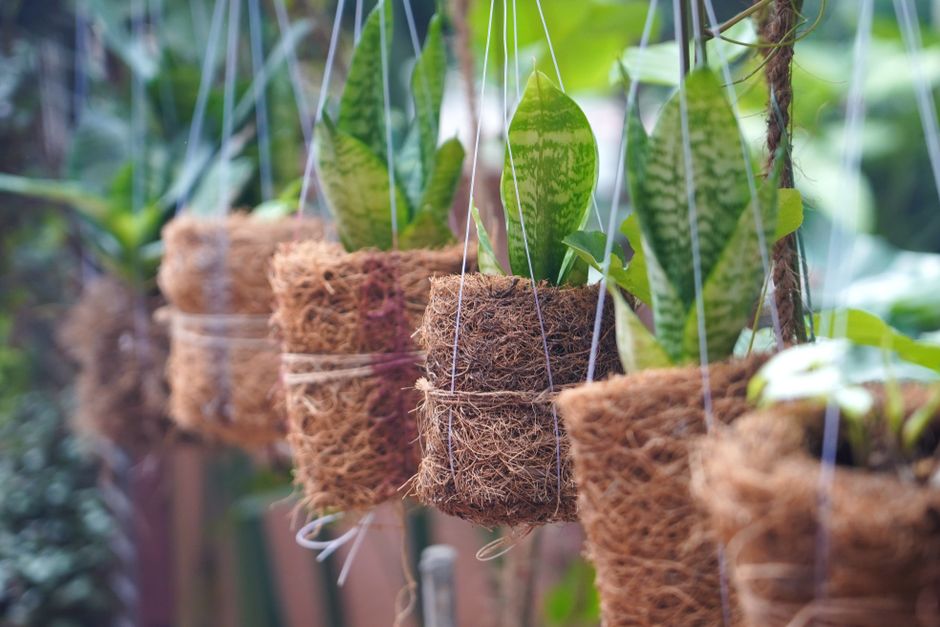
Coco coir comes from the fibrous outer husks of coconuts, making it a natural byproduct of the coconut industry. Processing plants wash, age, and grind these fibers into a dark brown material that closely resembles rich potting soil. It provides an organic structure that friendly microbes can inhabit easily.
Because rockwool comes from melted stone, it contains no natural nutrients and possesses an alkaline pH out of the package. Coco coir is an organic material that has a natural pH close to neutral, though raw versions can contain natural sodium salts that need rinsing before planting.
Rockwool vs Coco Coir: Which Retains Water Better?
Water retention and air movement are critical factors for healthy root development. Rockwool holds a high percentage of water while retaining ample airspace between its spun fibers. This structural design prevents roots from smothering even when the material stays thoroughly damp.
Coco coir acts like a dense natural sponge. It holds moisture evenly throughout the entire root mass and wicks liquid upward against gravity. This strong wicking action makes it very forgiving if you accidentally forget a watering session in your home garden.
How Moisture Management Affects Watering Schedules
Rockwool drains freely when lifted out of standing liquid, but it can dry out quickly under bright grow lights. You need to monitor your starter cubes frequently during early growth stages to keep roots from drying out. When hydrating your chosen material, make sure to read our guide on can you use tap water for hydroponics to protect your plants from harsh chlorine.
Coco coir holds moisture longer than rockwool slabs. This means you generally water less often when growing in coir containers, which saves time for growers who work long daily schedules. However, overwatering coir can starve roots of oxygen if your pots lack proper drainage holes.
Which Growing Medium Is Easier to Use for Beginners?
Beginners often look for a growing medium that requires minimal prep work and handles mistakes without killing young plants. Both substrates have unique preparation steps that you must follow before dropping in your seeds or seedlings.
Preparing rockwool requires soaking the cubes in acidic water to adjust the natural pH down to a plant-friendly level. Skipping this soak can cause immediate nutrient problems for delicate new sprouts. You also need to avoid squeezing wet rockwool cubes, as crushing the internal structure destroys the air pockets permanently.
Preparing coco coir requires hydrating compressed coir bricks in warm water and flushing the material thoroughly to remove excess sodium. Once rehydrated, coir feels very familiar to anyone who has previously grown plants in traditional potting soil.
Always wear a simple dust mask when handling dry rockwool blocks or dry shredded coir to avoid inhaling airborne fibers. Keeping electrical cords and water pumps organized safely away from water spills in your garden area will also keep your workspace hazard free.
Here is a quick look at how these materials compare in practical everyday use:
- Rockwool blocks maintain a rigid physical shape, making them ideal for net pots and automated drip channels.
- Coco coir feels like soil and allows roots to spread naturally throughout large fabric containers.
- Rockwool remains sterile until exposed to water and nutrients, reducing the chance of early insect issues.
- Coco coir buffers pH naturally, offering a safer cushion if your nutrient solution strays slightly off balance.
How Do pH and Nutrients Behave in Rockwool vs Coco Coir?
Nutrient management differs significantly between these two substrates because of their chemical composition. Rockwool is completely inert, meaning it holds no electrical charge and supplies zero nutrients to your crops. Everything your plants take in must come directly from your liquid nutrient blend.
Coco coir contains natural cation exchange capacity, which means it chemically holds onto minerals like calcium and magnesium while releasing potassium. Growers using coir must use nutrient blends specifically formulated for coir or supplement their feeding schedule with added calcium and magnesium.
Preventing Root and Nutrient Problems
Because rockwool does not buffer nutrients, any shift in your liquid reservoir directly impacts the plant root system within hours. If your liquid pH drifts too high or low, you must flush the rockwool blocks with fresh water immediately.
In coco coir, the substrate buffers salt levels and softens minor fluctuations in your nutrient solution. However, salt buildup can happen over time as liquid evaporates from open coir pots. To spot early signs of balance issues before leaf damage occurs, review our guide on hydroponic nutrient lockout fixes.
Which Hydroponic System Suits Each Medium Best?
Selecting the right medium often depends on the specific indoor hydroponic setup you build or buy. Certain systems rely on structured physical cubes, while others work best with loose potting material.
Rockwool shines in active water systems such as deep water culture, nutrient film technique, and flood and drain trays. Its firm shape fits tightly into plastic net cups, keeping plants standing upright as they grow larger under light arrays.
Coco coir works best in drip irrigation setups, drain to waste systems, fabric pots, and passive wick planters. Loose coir fills containers of any shape easily, giving plant roots room to spread out wide for strong physical stability.
Final Thoughts
Deciding between rockwool vs coco coir comes down to your personal routine and the specific hydroponic system you choose to run at home. Rockwool provides a sterile and structured base for clean automated setups, while coco coir offers an organic feel with greater forgiveness for beginner mistakes. Explore our other MicroVeg guides to discover more practical tips on choosing equipment and setting up your indoor garden.
Frequently Asked Questions
Can you reuse rockwool and coco coir for multiple crops?
Coco coir is easy to wash, sterilize, and reuse for several growing cycles. Rockwool is much harder to clean thoroughly without breaking its physical structure, so most growers replace rockwool cubes after each crop.
Do you need to rinse coco coir before using it?
Yes, you should rinse coco coir thoroughly with clean water before planting. Rinsing removes excess natural salts and fine dust that could harm young roots or mess with your nutrient readings.
Why does rockwool need to be soaked before planting?
Rockwool naturally has a high pH that is too alkaline for most young seedlings. Soaking the cubes in pH-adjusted water brings the material into a safe range for optimal root absorption.
Can you mix rockwool and coco coir together?
You can place a rockwool starter plug directly inside a larger container filled with coco coir once roots emerge. However, growers rarely mix shredded rockwool and coir together into a single uniform potting blend.
Explore More Hydroponics Guides
 Hydroponics
Kratky vs Deep Water Culture: Which Hydroponic System is Right?
Choosing between Kratky and Deep Water Culture (DWC) hydroponics depends on your space, budget, and how hands-on you want to be.
 Hydroponics
How Often Should You Change Hydroponic Water?
Regularly refreshing your hydroponic nutrient reservoir is crucial for plant health, preventing imbalances, algae, and root diseases.
 Hydroponics
Set Up Your Basic Hydroponic System: A Beginner's Guide
Learn how to easily set up a basic hydroponic system at home and start growing fresh plants without soil, even if you are a complete beginner.