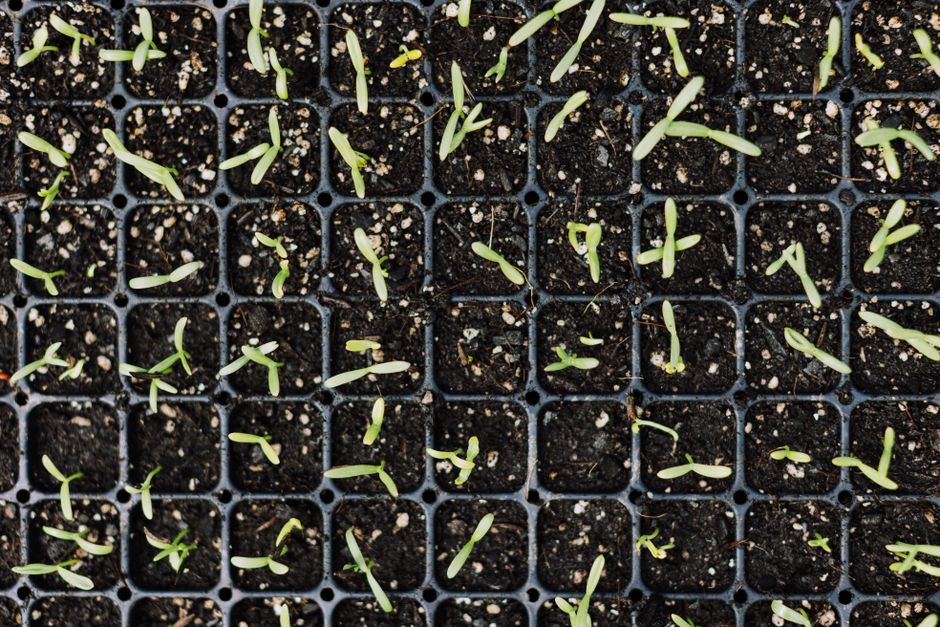
How to Start Seeds for Hydroponics: A Beginner's Guide
How to Start Seeds for Hydroponics: A Beginner's Guide
Starting seeds for hydroponics might seem a little different from traditional soil gardening, but it's an incredibly rewarding process. It means you get to grow your favorite plants from scratch, right in your indoor garden. This guide will walk you through everything you need to know to successfully germinate seeds and nurture healthy seedlings for your hydroponic system.
To start seeds for hydroponics means to initiate the germination process and grow young plants without soil, typically using inert growing mediums and a nutrient-rich water solution. This method allows you to control the growing environment precisely, often leading to faster growth and healthier plants compared to starting seeds in soil.
Why Start Seeds for Hydroponics?
Starting seeds for hydroponics gives you complete control over your plant's life cycle from day one. You can choose specific varieties, avoid pesticides from the start, and ensure your plants get the best possible beginning.
It also allows for year-round growing, regardless of outdoor weather. Plus, seeing those tiny sprouts emerge is one of the most satisfying parts of indoor gardening. You'll be able to grow fresh herbs, leafy greens, and even some fruiting plants right in your home.
What Do You Need to Start Seeds for Hydroponics?
To successfully start seeds for hydroponics, you'll need a few key items to create the ideal germination environment. These supplies are generally inexpensive and readily available for home growers.
- Seeds: Choose high-quality seeds from a reputable source, ideally varieties known to do well in hydroponics, like lettuce, basil, or spinach.
- Seed Starting Medium: Options include rockwool cubes, coco coir plugs, peat pellets, or even inert grow sponges. These provide support for the seedling and retain moisture.
- Seed Starting Tray with Dome: A clear plastic dome creates a mini-greenhouse effect, maintaining the high humidity seeds need to sprout.
- Grow Lights: Young seedlings need light almost immediately after sprouting. A small LED grow light is perfect for this stage.
- Water: Use filtered or reverse osmosis water if your tap water is very hard. This helps ensure optimal conditions for delicate seedlings. For more on water quality, you can read our guide on is tap water safe for hydroponics.
- pH Testing Kit: Keeping your water's pH in the right range is crucial for seedlings to absorb nutrients properly.
- Hydroponic Nutrients: A very diluted nutrient solution designed for seedlings or general vegetative growth.
Having these supplies ready before you begin will make the process smooth and enjoyable.
How Do You Prepare Seeds for Hydroponics?
Preparing your seeds for hydroponics often involves a simple pre-soaking step, which can significantly improve germination rates and speed up sprouting. Some seeds benefit more from this than others.
Many home growers find that pre-soaking seeds in a small cup of clean, lukewarm water for 12-24 hours before planting helps soften the seed coat. This allows water to penetrate more easily, signaling the seed that it's time to wake up. After soaking, gently place the seeds into your chosen growing medium.
What are the Best Ways to Germinate Seeds for Hydroponics?
There are a few effective methods to germinate seeds for hydroponics, each with its own advantages. The best method depends on the type of seed and your hydroponic system.
Using Seed Starting Plugs
Seed starting plugs, such as rockwool cubes or coco coir plugs, are a popular choice for hydroponic growers. They provide an ideal balance of moisture retention and aeration, which is perfect for new sprouts.
First, soak your chosen plugs in pH-adjusted water (around 5.5-6.0) for at least an hour to condition them. Then, place one or two seeds into the pre-drilled hole of each plug. Cover very lightly with a small pinch of the same medium if needed, or leave uncovered for seeds that require light to germinate. Place the plugs in a covered seed tray, ideally on a heat mat if your environment is cool, to maintain a consistent temperature. Once sprouts appear, provide gentle light. You can learn more about how to set your LED grow light distance for optimal seedling growth.
Direct Sowing in Your System
For some hydroponic systems and larger seeds, you can sometimes sow directly into the system's growing medium. This method reduces transplant shock but requires careful monitoring.
If your system uses a grow medium like clay pebbles or perlite, you might be able to sow seeds directly into the net pots. However, this is less common for very small seeds or delicate seedlings, as the constant water flow can dislodge them. For beginners, using seed starting plugs and then transplanting is generally more reliable. Always ensure your grow medium is clean and inert before direct sowing.
How Do You Care for Hydroponic Seedlings?
Caring for your hydroponic seedlings after germination is crucial for their healthy development and transition into your main system. Pay close attention to light, nutrients, and moisture.
Once your seeds have sprouted, they need consistent light. Position your grow light appropriately, ensuring it's not too far away, which can cause leggy seedlings. Keep the seed starting medium consistently moist but not waterlogged. As true leaves begin to form, introduce a very diluted hydroponic nutrient solution, typically about a quarter to half strength of your regular mix. Monitor your water's pH regularly and adjust pH in your hydroponic system as needed to keep it within the ideal range for young plants.
When seedlings have developed a few sets of true leaves and their roots are starting to emerge from the bottom of their plugs, they are ready to be transplanted into your full hydroponic system. Handle them gently to avoid damaging the delicate roots.
Final Thoughts
Learning how to start seeds for hydroponics at home is a foundational skill that opens up endless growing possibilities. By understanding the right tools and techniques, you can ensure a strong, healthy start for all your indoor plants. Keep experimenting with different plants and enjoy the journey of growing fresh food right at your fingertips. Explore more MicroVeg guides for additional tips and tricks to enhance your indoor garden.
Frequently Asked Questions
What is the best medium to start seeds for hydroponics?
Rockwool cubes, coco coir plugs, and specialized grow sponges are excellent choices because they retain moisture well and provide good aeration for developing roots.
Do hydroponic seeds need light to germinate?
Most seeds do not require light for germination, only warmth and moisture. However, once they sprout, seedlings immediately need light to grow into strong plants.
When should I add nutrients to hydroponic seedlings?
Begin adding a very diluted hydroponic nutrient solution, about 1/4 to 1/2 strength, once your seedlings have developed their first true leaves, not just the initial cotyledons.
How long does it take for hydroponic seeds to sprout?
Germination time varies widely by plant type, but many common hydroponic plants like lettuce or basil can sprout within 3-7 days under ideal conditions.
Explore More Hydroponics Guides
 Hydroponics
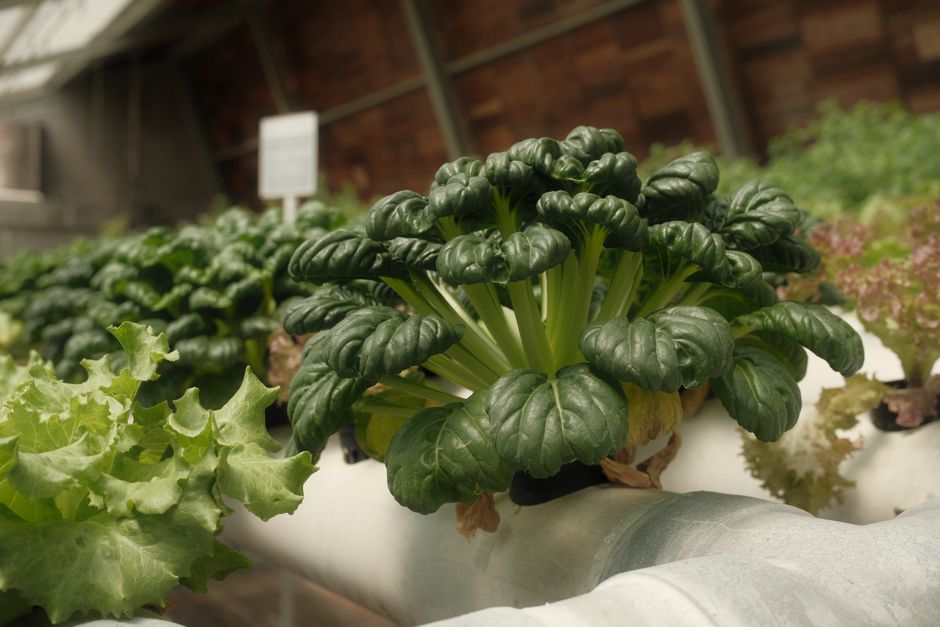
What to Grow in Hydroponics for Beginners
Starting your hydroponic journey? Learn which plants are easiest, fastest, and most rewarding for beginners to grow at home.
 Hydroponics
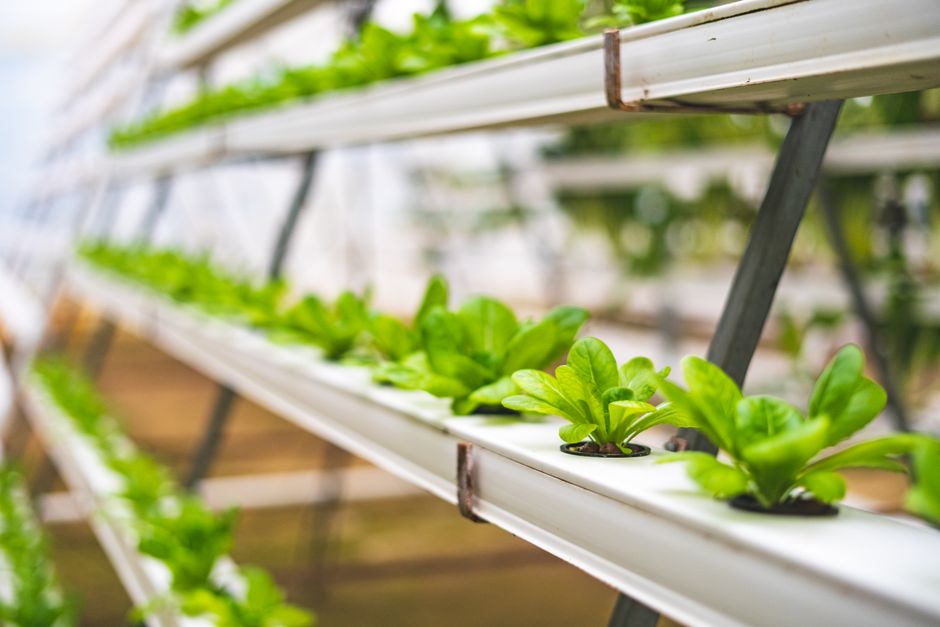
Mixing Hydroponic Nutrients: Your Guide to Happy Plants
Discover how to properly mix hydroponic nutrients to feed your indoor plants for optimal growth and abundant harvests.
 Hydroponics
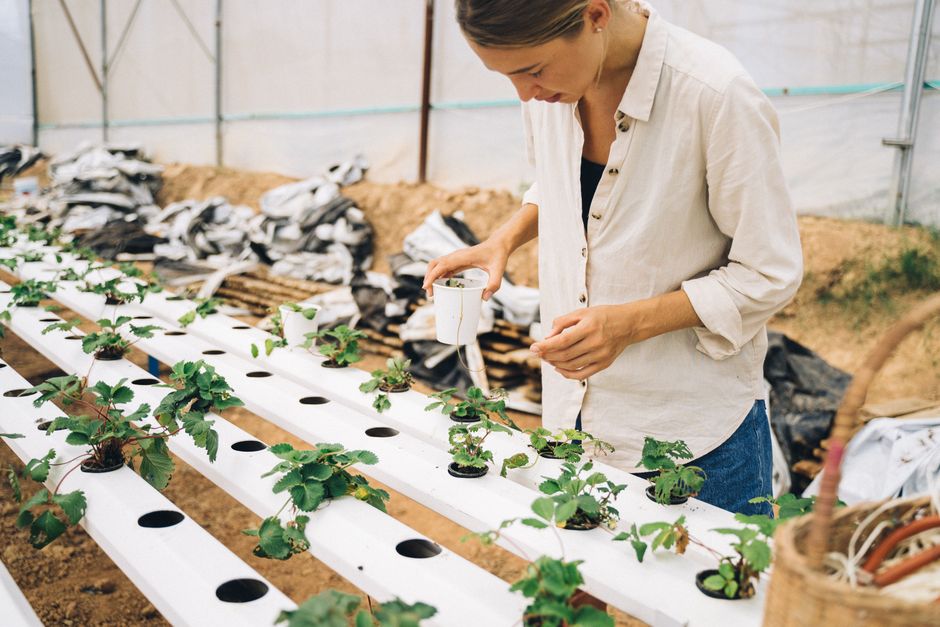
Is Tap Water Safe for Hydroponics? Your Guide to Water Quality
Discover if your tap water is suitable for hydroponics and how to prepare it for a thriving indoor garden.