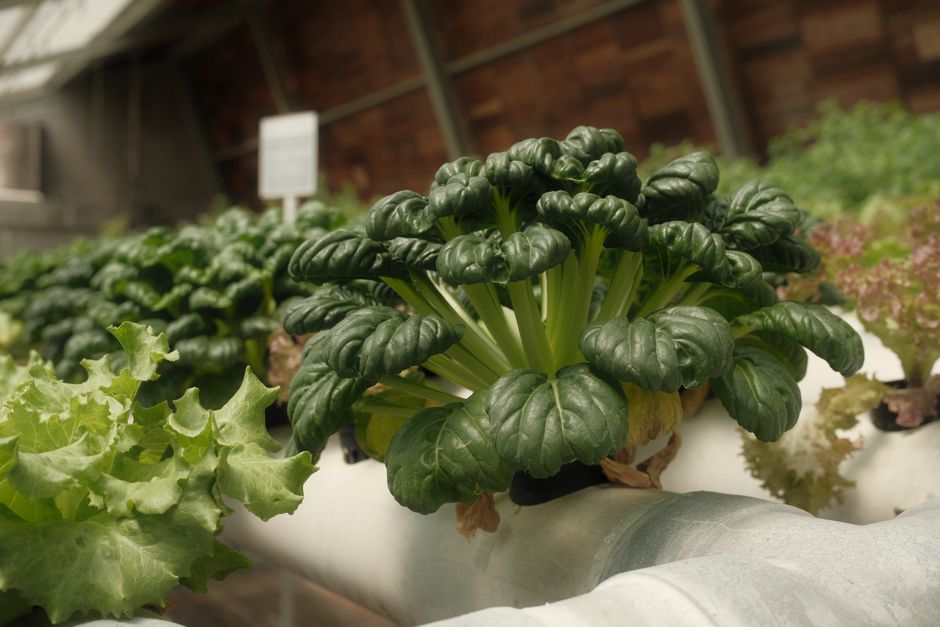
What to Grow in Hydroponics for Beginners
So, you're excited to jump into the world of indoor hydroponics, but you might be wondering, what to grow in hydroponics for beginners? Choosing the right plants for your first setup is key to a rewarding experience. For new home growers, the best plants are typically those that are fast-growing, don't require complex nutrient schedules, and have compact growth habits, making them ideal for small indoor spaces.
Picking plants that are forgiving of common beginner mistakes helps build confidence. You want varieties that show quick progress, giving you fresh harvests relatively soon after starting. This guide will walk you through the top choices for your first hydroponic garden, ensuring a successful and enjoyable growing journey.
What makes a plant good for beginner hydroponics?
Plants good for beginner hydroponics typically share several key characteristics: they grow quickly, have relatively low and consistent nutrient demands, remain compact, and are generally tolerant of minor fluctuations in their environment. These traits make them forgiving for new growers who are still learning the ropes of hydroponic systems.
Consider plants that are ready for harvest in a few weeks rather than months. This quick turnaround provides more opportunities to learn and adjust your system. Look for plants that don't need a lot of space, as most indoor hydroponic setups are designed for efficiency.
Another important factor is the plant's nutrient requirements. Beginners often find success with plants that thrive on a general-purpose nutrient solution without needing specialized formulas for different growth stages. Simplicity in feeding helps avoid common issues and keeps your focus on other aspects of care.
Key Considerations for Easy Hydroponic Plants
When selecting your first hydroponic plants, think about a few practical points:
- Growth Rate: Faster growing plants offer quicker harvests and more learning cycles.
- Size: Compact varieties prevent overcrowding in your system and under your grow lights.
- Nutrient Needs: Opt for plants with general, stable nutrient requirements.
- Pest Resistance: Some plants are naturally more resistant to common indoor pests, reducing early frustrations.
- Tolerance: Plants that can handle slight variations in pH or temperature are more forgiving.
What are the easiest leafy greens to grow hydroponically?
The easiest leafy greens to grow hydroponically are varieties like lettuce, spinach, and Swiss chard, known for their rapid growth, minimal space requirements, and straightforward care. These plants are excellent choices for beginners because they provide quick and continuous harvests.
Lettuce: Many types of lettuce, especially loose-leaf varieties like Black Seed Simpson or Butterhead, are perfect for hydroponics. They grow quickly, often ready to harvest in 3-4 weeks from transplanting. Lettuce prefers cooler water temperatures and a moderate nutrient strength, making it very adaptable to basic systems.
Spinach: Similar to lettuce, spinach is another fantastic choice. It thrives in hydroponic conditions, producing tender leaves rapidly. Spinach also benefits from slightly cooler conditions, which can be easier to maintain in many indoor settings. You can harvest outer leaves continuously, extending your yield over time.
Swiss Chard: For something a little different but equally easy, Swiss chard is a great option. It offers colorful stems and robust leaves. Chard is quite hardy and tolerates a range of conditions, making it forgiving for beginners. Like lettuce and spinach, you can pick the outer leaves as needed, encouraging further growth.
These leafy greens are especially well-suited for systems like the Kratky method or Deep Water Culture (DWC), which are popular choices for new hydroponic enthusiasts. If you are still setting up your system, check out our guide on the best small hydroponic system for beginners.
Which herbs thrive in a beginner hydroponic system?
Herbs such as basil, mint, and cilantro thrive remarkably well in a beginner hydroponic system due to their compact size, quick growth, and consistent demand for nutrients. These aromatic plants offer a continuous supply of fresh flavor for your kitchen with relatively little fuss.
Basil: Sweet basil is arguably the most popular hydroponic herb for beginners. It grows incredibly fast, especially under a good grow light, and you can harvest its leaves regularly to encourage bushier growth. Just pinch off the top sets of leaves to prevent it from flowering too soon.
Mint: Mint varieties, like spearmint or peppermint, are notoriously vigorous growers. They love water and nutrients, making them perfect for hydroponics. Mint can spread aggressively, so growing it in a contained hydroponic system helps manage its growth while providing an abundant supply for teas or culinary uses. Always use caution when handling nutrient solutions, and keep electrical components like pumps and timers away from water spills to prevent hazards.
Cilantro: While sometimes a bit trickier than basil, cilantro can still be very successful for beginners, especially if you provide slightly cooler temperatures. Harvesting regularly by snipping outer leaves will extend its growing season. Starting cilantro from seed for hydroponics is a straightforward process, and you can learn more in our guide on how to start seeds for hydroponics.
When mixing hydroponic nutrients for herbs, a general-purpose vegetative formula often works best, as most herbs are grown for their foliage. These herbs typically do not require specialized blooming nutrients, simplifying your nutrient management.
Can I grow fruiting plants as a hydroponics beginner?
While possible, growing fruiting plants like tomatoes or peppers as a hydroponics beginner can be more challenging due to their complex nutrient needs, longer growth cycles, and larger space requirements compared to leafy greens and herbs. It is generally recommended to gain experience with easier plants first.
Fruiting plants often require different nutrient ratios at various stages of their life cycle, from vegetative growth to flowering and fruiting. This means you might need to adjust your nutrient solution more frequently and precisely. They also grow much larger, demanding more vertical space and stronger light.
If you are determined to try a fruiting plant, consider smaller varieties that are less demanding. Cherry tomatoes, small peppers, or even strawberries (though they have their own specific needs) might be options once you've successfully grown a few rounds of lettuce or basil. However, expect a longer commitment and more detailed attention to plant care.
What common mistakes should beginners avoid when choosing plants?
Beginners should avoid choosing plants that are too large, have highly specific environmental needs, or demand complex nutrient regimens, as these choices can quickly lead to frustration and unsuccessful harvests. Starting with forgiving plants sets you up for success.
One common mistake is selecting plants that will quickly outgrow your system. For instance, a full-sized squash plant will overwhelm a small countertop hydroponic unit. Always check the mature size of a plant before you commit to growing it indoors.
Another pitfall is trying to grow plants that require very specific pH levels or temperature ranges that are difficult to maintain consistently without advanced equipment. Focus on plants that thrive in conditions close to your home's ambient environment.
Finally, avoid exotic plants or those known for being difficult even in soil. Hydroponics offers advantages, but it doesn't magically make every plant easy to grow. Stick to tried-and-true beginner-friendly options to build your skills and confidence.
Final Thoughts
Choosing what to grow in hydroponics for beginners doesn't have to be complicated. By starting with easy, fast-growing leafy greens and herbs, you'll gain valuable experience and enjoy fresh harvests in no time. Once you've mastered the basics, you can gradually experiment with more challenging plants. Keep exploring MicroVeg for more tips and guides to help your indoor garden thrive!
Frequently Asked Questions
What is the fastest growing plant in hydroponics for beginners?
Lettuce, especially loose-leaf varieties, is one of the fastest growing plants for hydroponics, often ready to harvest in 3-4 weeks from transplanting.
Do I need a special nutrient solution for beginner hydroponic plants?
For most beginner-friendly leafy greens and herbs, a general-purpose hydroponic nutrient solution formulated for vegetative growth is usually sufficient.
Can I grow root vegetables like carrots in hydroponics as a beginner?
Growing root vegetables in hydroponics can be challenging for beginners as they require deeper systems, specific nutrient balances, and careful attention to root development.
How often should I check my hydroponic system as a beginner?
As a beginner, it's best to check your hydroponic system daily for water levels, pH, and overall plant health to catch any issues early.
Explore More Hydroponics Guides
 Hydroponics
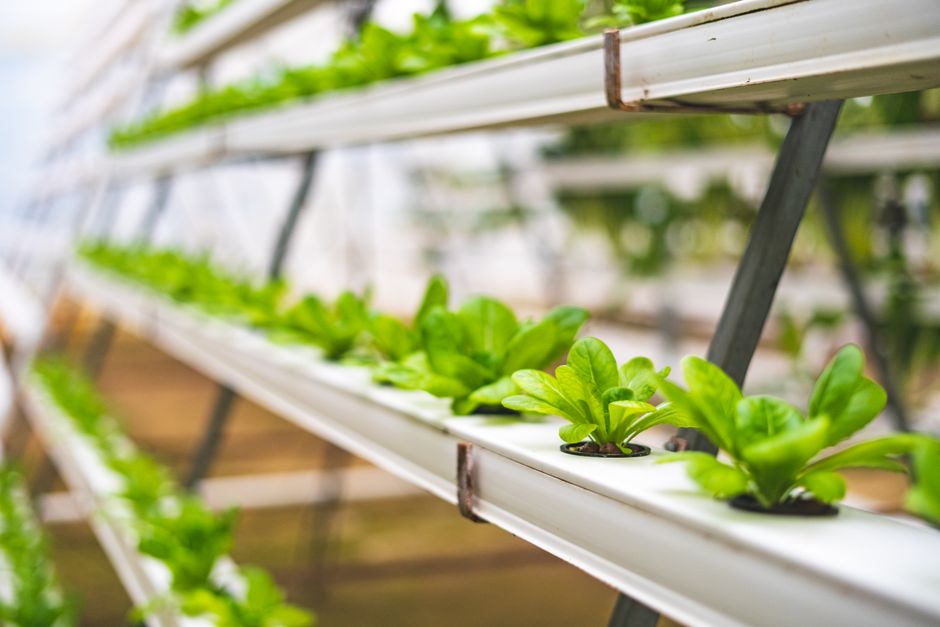
Mixing Hydroponic Nutrients: Your Guide to Happy Plants
Discover how to properly mix hydroponic nutrients to feed your indoor plants for optimal growth and abundant harvests.
 Hydroponics
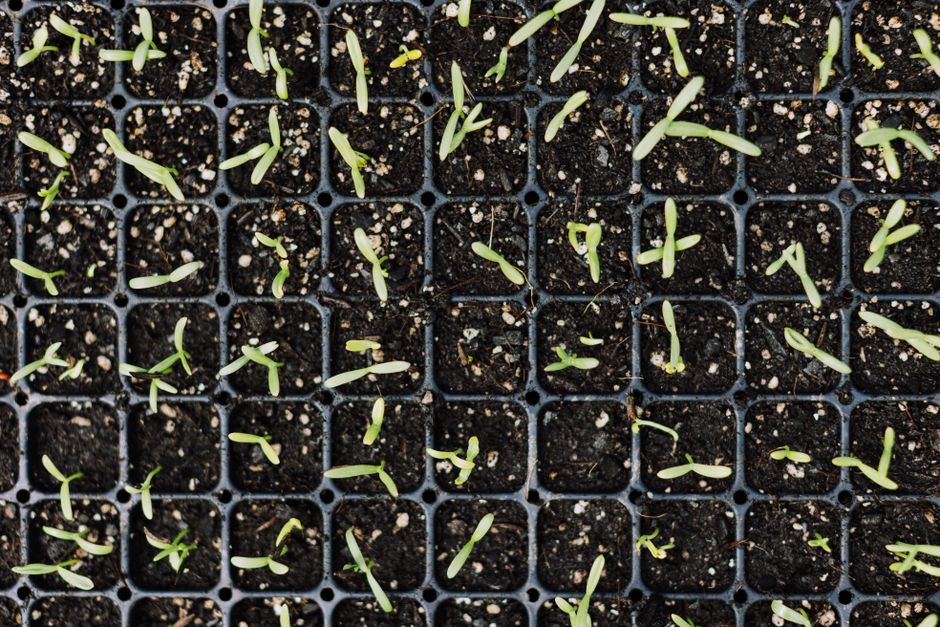
How to Start Seeds for Hydroponics: A Beginner's Guide
Discover the easy way to start seeds for your indoor hydroponic garden and enjoy fresh produce year-round.
 Hydroponics
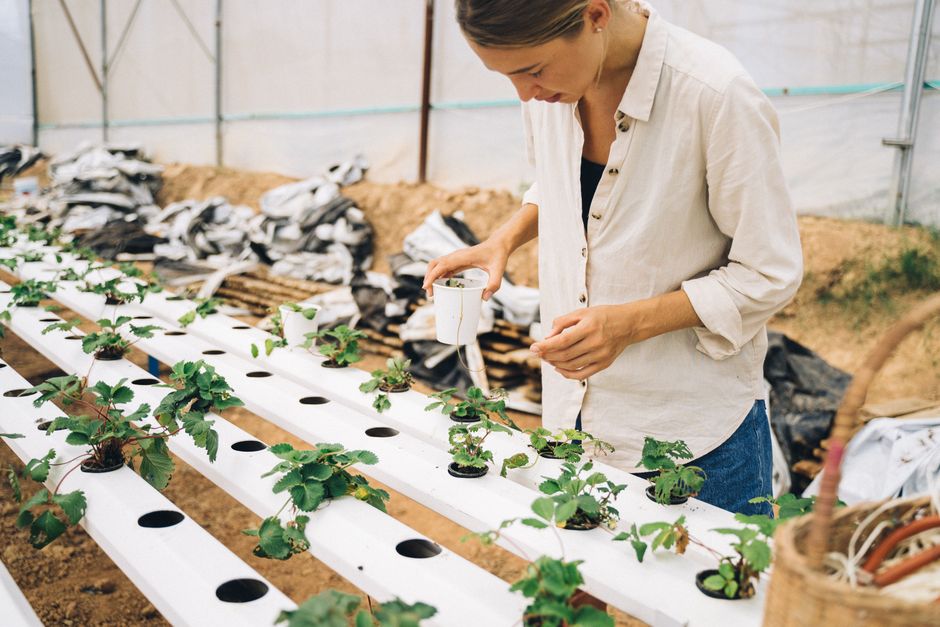
Is Tap Water Safe for Hydroponics? Your Guide to Water Quality
Discover if your tap water is suitable for hydroponics and how to prepare it for a thriving indoor garden.