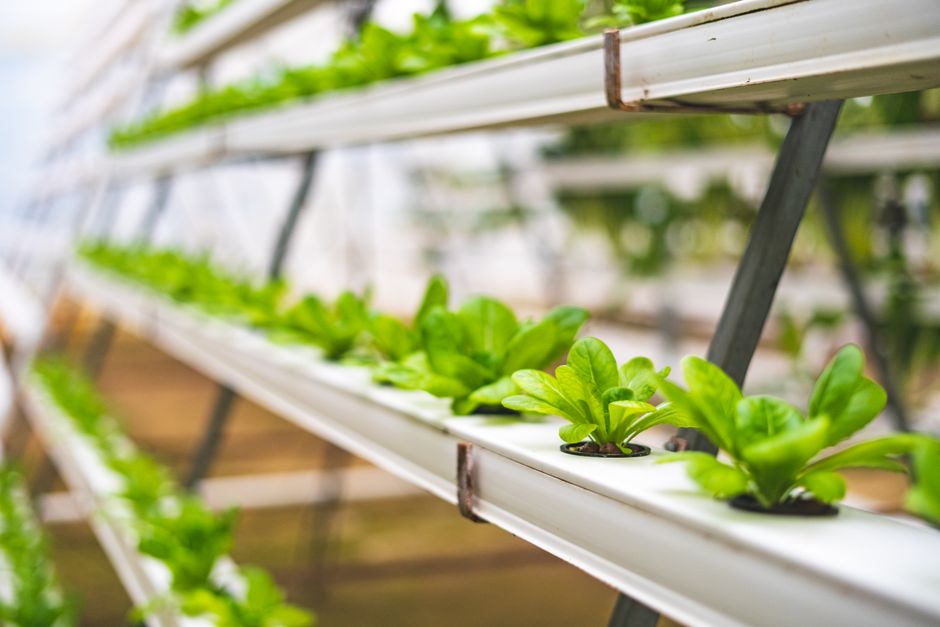
Mixing Hydroponic Nutrients: Your Guide to Happy Plants
Getting your indoor garden thriving means understanding the basics, and one of the most important steps is correctly mixing hydroponic nutrients. This process involves combining concentrated nutrient solutions with water to create the perfect food source for your indoor plants. Done right, it ensures your plants get all the essential elements they need, dissolved in the right balance, to grow strong and healthy without soil.
Many home growers wonder how to best prepare their plant's food. This guide will walk you through everything you need to know about preparing your nutrient solution, from gathering your supplies to avoiding common mistakes. Let's make sure your plants are getting the best possible start and continuous care.
Why is proper nutrient mixing so important for your plants?
Proper nutrient mixing is crucial because it directly impacts your plants' health, growth rate, and overall yield. Hydroponic plants rely entirely on the nutrient solution you provide for all their essential minerals, so getting the balance right is key to their survival and success.
Unlike soil, which can hold and release nutrients over time, a hydroponic system offers a direct feed. If your nutrient solution is too weak, your plants will suffer from deficiencies, showing yellowing leaves or stunted growth. If it is too strong, you risk nutrient burn, which can damage roots and even kill your plants. A balanced mix ensures your plants can absorb what they need efficiently.
What do you need before you start mixing hydroponic nutrients?
Before you begin mixing, gathering the right tools and supplies will make the process smooth and accurate. Having everything ready prevents last-minute scrambling and ensures you can follow each step precisely.
- Hydroponic Nutrient Concentrates: Most systems use a two-part (A and B) or sometimes a three-part nutrient system. Make sure you have the correct type for your plants' growth stage (e.g., vegetative or flowering).
- Clean Water: The quality of your water matters. Filtered tap water or reverse osmosis (RO) water is often best. Learn more about Is Tap Water Safe for Hydroponics? to understand your starting point.
- Measuring Tools: Use accurate measuring cups, syringes, or droppers to dispense concentrated nutrients. Precision is important.
- EC/TDS Meter: This device measures the electrical conductivity (EC) or total dissolved solids (TDS) in your solution, telling you the overall strength of your nutrients.
- pH Meter or Test Kit: Essential for checking the acidity or alkalinity of your nutrient solution.
- pH Up and pH Down Solutions: These allow you to adjust the pH level to the ideal range for your plants.
- Large, Clean Container: A dedicated bucket or your hydroponic reservoir itself, cleaned thoroughly, is needed for mixing.
- Stirring Utensil: A long spoon or paddle to thoroughly mix the solution.
- Safety Gear: Wear gloves and consider eye protection when handling concentrated nutrient solutions, and ensure good ventilation.
How do you mix hydroponic nutrients step-by-step?
Mixing hydroponic nutrients is a straightforward process when you follow a few key steps. Taking your time and being precise will pay off with healthier plants.
Step 1: Start with clean water.
Pour the desired amount of clean, room-temperature water into your mixing container or reservoir. Using water that is too cold can shock your plants' roots, while warm water holds less dissolved oxygen. Always check the initial water quality; it's your foundation.
Step 2: Add your concentrated nutrients.
This is where precision matters. Always add one nutrient part at a time, mixing thoroughly before adding the next. Never mix nutrient concentrates directly together without water, as this can cause them to bind up and become unavailable to your plants. Follow the dosage instructions provided by your nutrient manufacturer, as these can vary significantly.
Step 3: Check your EC/TDS.
Once all nutrient parts are added and thoroughly mixed, use your EC/TDS meter to measure the nutrient strength. This reading tells you how many dissolved solids (nutrients) are in your water. Compare this reading to the recommended range for your specific plants and their growth stage. If the EC is too high, add more clean water to dilute. If it's too low, carefully add a small amount of nutrients, one part at a time, and re-mix until you reach the target range.
Step 4: Adjust pH.
After achieving the correct nutrient strength, it's time to check and adjust the pH. Most hydroponic plants prefer a pH range between 5.5 and 6.5. Use your pH meter or test kit to get a reading. If the pH is too high, add a tiny amount of pH Down solution, mix, and retest. If it's too low, add pH Up. Make small adjustments, as these solutions are potent. Reaching the right pH ensures your plants can absorb all the nutrients you've just mixed for them.
Step 5: Mix thoroughly.
Give your entire solution a final, good stir. This ensures all nutrients are evenly distributed and that your pH and EC readings are consistent throughout the reservoir. Your nutrient solution is now ready for your hungry plants!
What are common mistakes when mixing hydroponic nutrients?
Even experienced growers can make simple errors when preparing their nutrient solution. Being aware of these common mistakes can save you a lot of trouble and ensure your plants stay healthy.
- Ignoring Water Quality: Starting with poor quality water (too hard, too soft, or containing contaminants) can throw off your nutrient balance from the start. Always consider your initial water source.
- Mixing Concentrates Directly: This is a big no-no. Concentrated nutrient solutions, especially two-part systems, can react with each other and form precipitates, making nutrients unavailable to your plants. Always dilute one part into water before adding the next.
- Not Checking EC/TDS or pH: Guessing nutrient strength or pH is a recipe for disaster. These measurements are your plants' direct feedback. Without them, you're flying blind, risking nutrient deficiencies or toxicity.
- Over-dosing or Under-dosing: Adding too much or too little nutrient can severely stress plants. Always follow manufacturer guidelines and use accurate measuring tools.
- Using Cold Water: Mixing with cold water can lower the overall temperature of your reservoir, which can slow plant growth and potentially lead to issues like root rot. Aim for room temperature water.
- Not Mixing Thoroughly: If the solution isn't well mixed, some areas might have too many nutrients and others too few, leading to inconsistent feeding for your plants.
- Not Refreshing the Solution: Over time, nutrients get depleted, and the balance can shift. Regularly changing your nutrient solution, usually every 1-2 weeks, keeps it fresh and balanced.
Final Thoughts
Mastering the art of mixing hydroponic nutrients is one of the most rewarding skills for any indoor grower. By paying attention to water quality, nutrient concentrations, and pH levels, you provide your plants with the ideal environment to flourish. Keep learning, keep experimenting, and enjoy the delicious rewards of your thriving hydroponic garden!
Ready to explore more ways to optimize your indoor growing? Check out our other MicroVeg guides for more tips and tricks!
Frequently Asked Questions
How often should I change my hydroponic nutrient solution?
It is generally recommended to change your hydroponic nutrient solution every 1 to 2 weeks to ensure plants receive fresh, balanced nutrients and to prevent buildup of harmful elements.
Can I use tap water for mixing hydroponic nutrients?
Yes, tap water can often be used, but it's important to understand its quality, including hardness and chlorine levels, which might require pre-treatment or adjustments to your nutrient mix.
What happens if my hydroponic nutrient solution's pH is too high or low?
If the pH is outside the ideal range (typically 5.5-6.5), your plants will struggle to absorb essential nutrients, leading to deficiencies even if the nutrients are present in the solution.
Do all hydroponic plants need the same nutrient mix?
No, different plants have varying nutrient requirements depending on their species and growth stage. Always consult specific guidelines for the plants you are growing and adjust your mix accordingly.
Explore More Hydroponics Guides
 Hydroponics
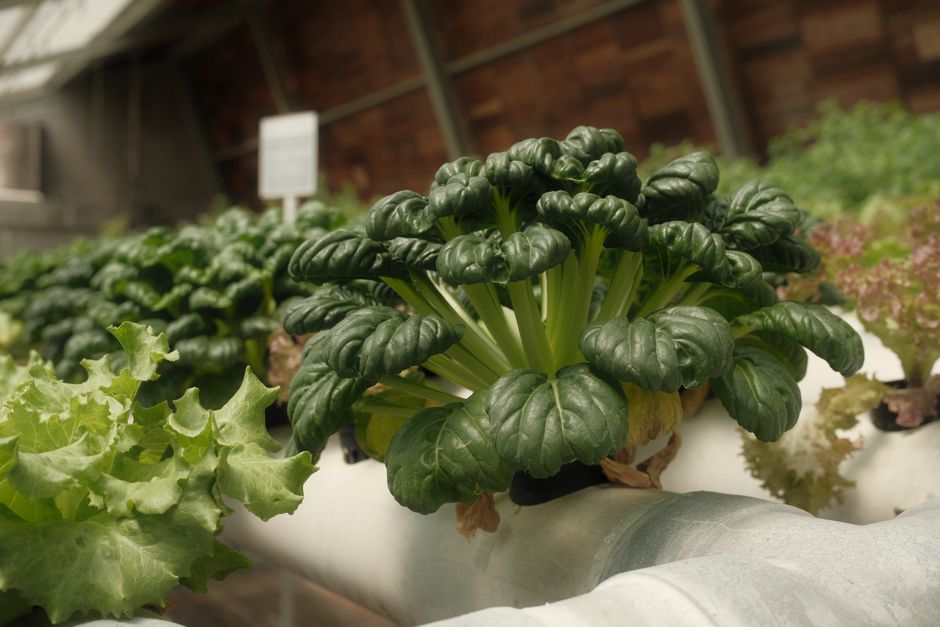
What to Grow in Hydroponics for Beginners
Starting your hydroponic journey? Learn which plants are easiest, fastest, and most rewarding for beginners to grow at home.
 Hydroponics
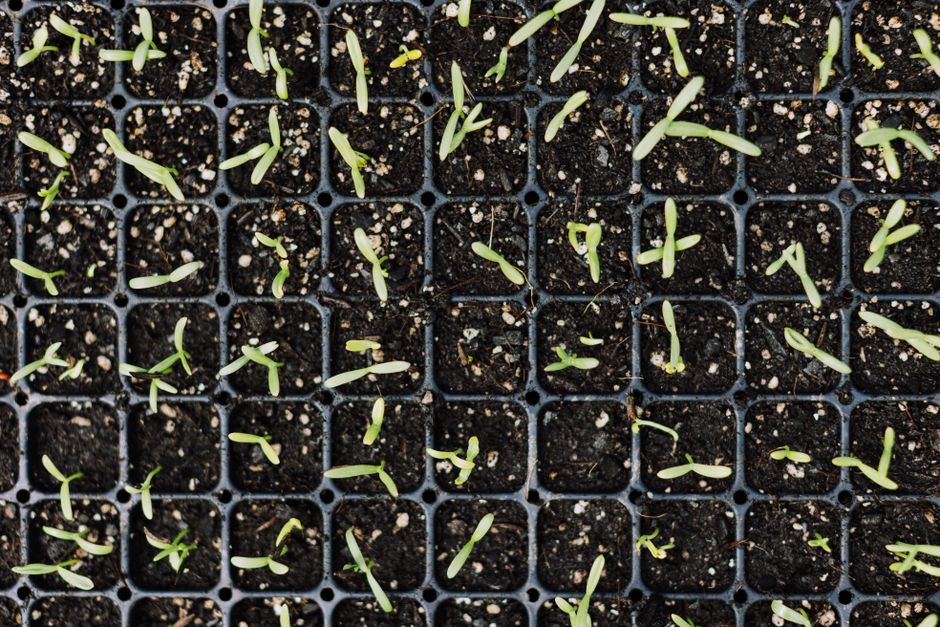
How to Start Seeds for Hydroponics: A Beginner's Guide
Discover the easy way to start seeds for your indoor hydroponic garden and enjoy fresh produce year-round.
 Hydroponics
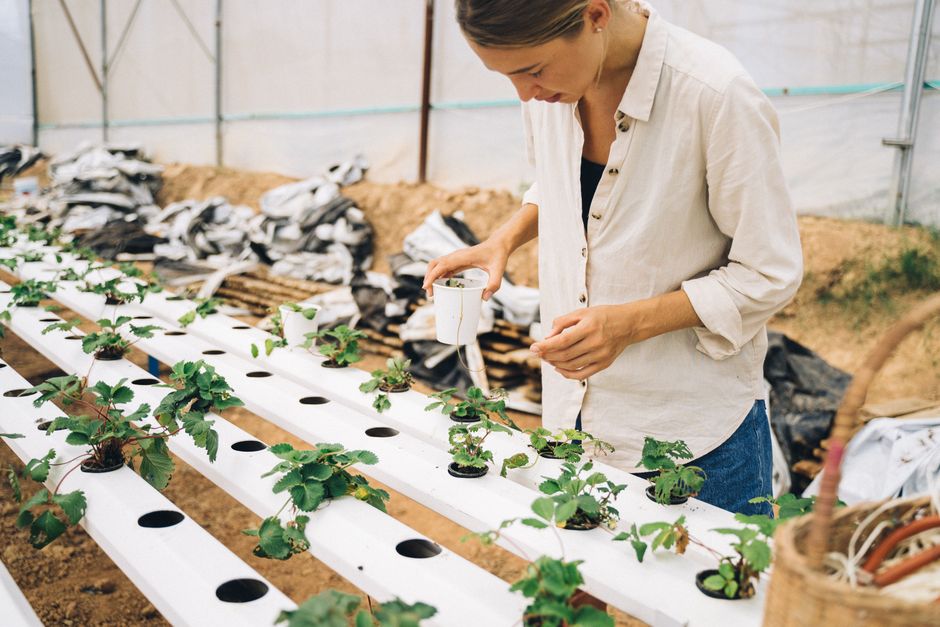
Is Tap Water Safe for Hydroponics? Your Guide to Water Quality
Discover if your tap water is suitable for hydroponics and how to prepare it for a thriving indoor garden.