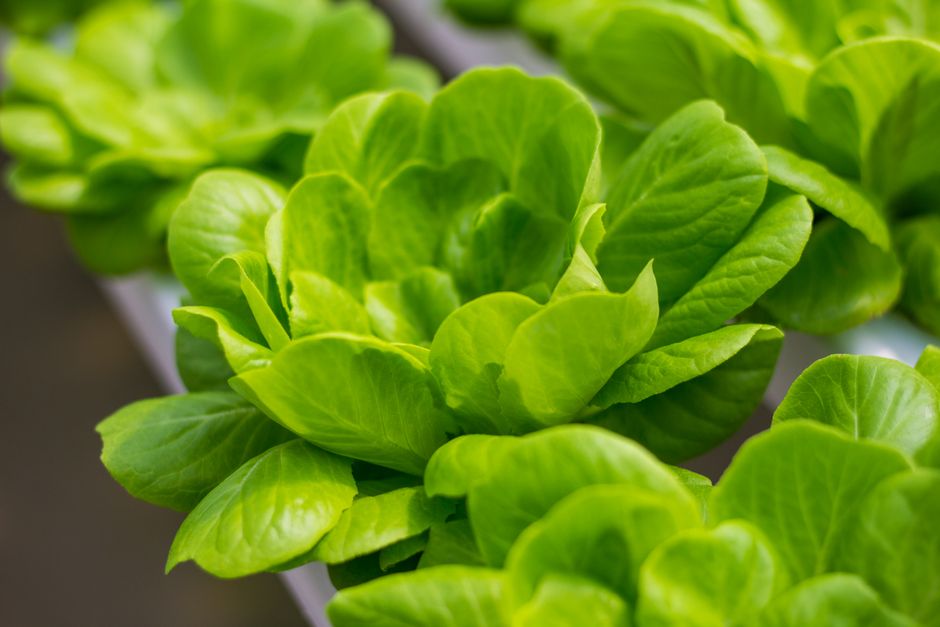
Stop Algae in Hydroponics: A Home Grower's Guide
Seeing green slime in your hydroponic system? You are not alone. Algae in hydroponics is a common issue for many home growers, but it is one you can absolutely conquer. Algae are simple, plant-like organisms that thrive in moist, light-rich environments, often appearing as green, slimy growth in your nutrient reservoir or on growing media.
While a little bit of green might seem harmless, a significant hydroponic algae problem can quickly turn into a headache for your plants. This MicroVeg guide will help you understand why algae appears and, more importantly, how to prevent and remove it for healthy indoor plants.
What is Algae in Hydroponics and Why is it a Problem?
Algae in hydroponics is a common issue where photosynthetic organisms, typically appearing as green slime, grow in your nutrient solution or on exposed surfaces, competing with your plants for vital resources. While algae itself is a natural part of many ecosystems, it becomes a problem in a closed hydroponic system.
These tiny organisms steal nutrients your plants desperately need for growth. They consume the dissolved minerals meant for your leafy greens or fruiting plants, directly impacting plant health and yield.
Beyond nutrient competition, heavy algae growth can deplete oxygen levels in the water. Plant roots need dissolved oxygen to breathe and absorb nutrients effectively. When oxygen levels drop, your roots become stressed, making them vulnerable to diseases like root rot.
Furthermore, large mats of green algae in hydroponics can physically clog pumps, tubing, and drippers in your system. This disrupts the flow of water and nutrients, leading to uneven feeding or complete system failure. It also creates an unappealing look and can make your system smell bad.
What Causes Algae in Your Hydroponics System?
Algae thrives when it has access to three key elements: light, water, and nutrients, all readily available in a hydroponic setup. Understanding these causes helps you address the problem at its source and implement effective prevention.
Too Much Light Reaching the Water
Algae needs light to photosynthesize, just like your plants. Any light source, whether from your grow lights or ambient room light, can fuel algae growth if it reaches your nutrient solution. Clear reservoirs, exposed nutrient solutions, or bright grow lights hitting the water surface are common culprits. Even indirect room light can be enough for algae to start growing, especially on wet surfaces or growing media.
Excess Nutrients in the Water
Your nutrient solution is plant food, and it is also algae food. Hydroponic systems are rich in the very minerals algae needs to flourish. Overdosing nutrients or using solutions that are too strong can encourage algae growth because there is more food available for them. Algae will happily consume any excess nutrients available, turning your plant food into their own feast.
Warm Water Temperatures
Algae prefers warmer conditions, usually between 70-80°F (21-27°C). If your nutrient reservoir gets too warm, it becomes an ideal breeding ground for these organisms. Warm water also holds less dissolved oxygen, which is bad for roots and creates conditions favorable for certain types of harmful anaerobic bacteria.
How to Prevent Algae in Hydroponics Before It Starts
The most effective strategy against algae in hydroponics is proactive prevention, focusing on blocking light and maintaining optimal system conditions. Taking a few simple steps can save you a lot of trouble down the line.
- Block Light: This is the number one rule for preventing green algae in hydroponics. Use opaque reservoirs and tubing that light cannot penetrate. If you have clear containers, paint them black or wrap them with reflective material like Mylar. Ensure lids fit snugly and cover all openings, leaving only small holes for plant stems. Keep your grow lights focused on your plants, not shining directly into the nutrient solution.
- Manage Nutrients Wisely: Follow the nutrient manufacturer's recommendations carefully. Do not overfeed your plants, as excess nutrients contribute to algae growth. Change your nutrient solution regularly to prevent nutrient buildup and remove potential algae spores.
- Maintain Water Temperature: Aim to keep your nutrient solution cool, ideally between 65-70°F (18-21°C). If your reservoir tends to get warm, consider using a small fan to circulate air around it.
- Ensure Good Airflow: Proper air circulation helps prevent stagnant conditions that algae enjoy. A small fan in your grow space can make a difference, especially in enclosed areas.
- Practice Cleanliness: Regularly clean your reservoir and system components. A clean system is less inviting for algae. Always keep electrical components, like pumps and timers, safely away from any water spills to prevent hazards.
How to Get Rid of Existing Algae in Your Hydroponics System
To eliminate existing algae, you need to manually clean your system, replace the nutrient solution, and then implement preventive measures to stop its return. If you already see green slime, it is time to act quickly.
Step 1: Drain and Clean
Carefully remove your plants from the system. Drain all the nutrient solution from your reservoir. Scrub the reservoir, tubing, and all components thoroughly with a brush or sponge. Rinse everything completely with clean water. For sterilization, you can use a mild bleach solution (1 part bleach to 10 parts water), but make sure to rinse exceptionally well afterwards to remove all traces of bleach.
Step 2: Replace Nutrient Solution
Refill your system with fresh, properly mixed nutrient solution. This is also a good time to check your pH levels; you can learn more about this in our Perfect Hydroponics pH: Measure & Adjust for Healthy Plants guide. Remember to consult our guide on When to Change Hydroponic Nutrients? Your Easy Guide for optimal timing.
Step 3: Implement Light Blocking
Immediately cover any exposed areas of your reservoir or growing media. Use reflective insulation, black plastic, or paint to block light from entering the water. Even a simple towel draped over the reservoir can help as a temporary measure.
Step 4: Monitor and Maintain
Keep a close eye on your system for any new signs of algae. Continue to follow all the prevention tips outlined above to ensure the algae does not return. Consistency in your cleaning and light-blocking efforts is key.
Final Thoughts
Successfully managing algae in hydroponics boils down to vigilant prevention, primarily by controlling light exposure and maintaining a clean, balanced growing environment. By understanding what causes this common hydroponic algae problem, you are well-equipped to keep your indoor garden thriving. Explore more MicroVeg guides for tips on growing healthy plants at home.
Frequently Asked Questions
Is all green growth in hydroponics algae?
Yes, generally any green, slimy growth appearing on surfaces or in the nutrient solution of a hydroponic system is algae.
Can algae hurt my plants?
Algae directly harms plants by competing for nutrients and oxygen, and indirectly by clogging system components, which can stress or even kill your plants.
How often should I clean my hydroponic system to prevent algae?
A full system cleaning should ideally occur every 2-4 weeks when you change your nutrient solution, with regular spot checks in between.
What color algae is most common in hydroponics?
Green algae is by far the most common type found in hydroponic systems, often appearing as a slimy film or fuzzy growth.
Explore More Hydroponics Guides
 Hydroponics
Kratky vs Deep Water Culture: Which Hydroponic System is Right?
Choosing between Kratky and Deep Water Culture (DWC) hydroponics depends on your space, budget, and how hands-on you want to be.
 Hydroponics
How Often Should You Change Hydroponic Water?
Regularly refreshing your hydroponic nutrient reservoir is crucial for plant health, preventing imbalances, algae, and root diseases.
 Hydroponics
Set Up Your Basic Hydroponic System: A Beginner's Guide
Learn how to easily set up a basic hydroponic system at home and start growing fresh plants without soil, even if you are a complete beginner.