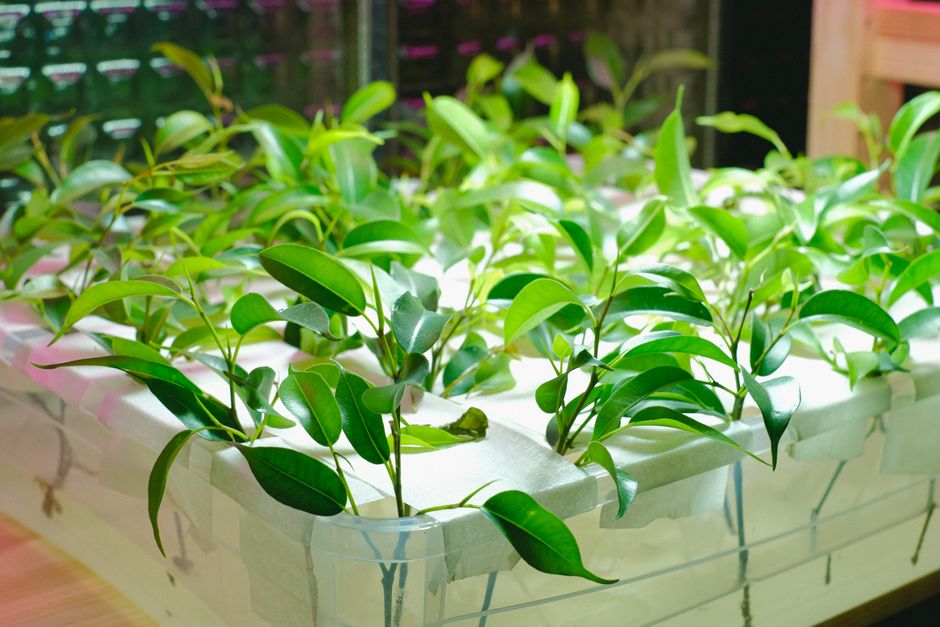
Perfect Hydroponics pH: Measure & Adjust for Healthy Plants
Perfect Hydroponics pH: Measure & Adjust for Healthy Plants
Growing plants hydroponically means giving them everything they need directly through water, and one of the most important factors for success is hydroponics pH. This refers to the acidity or alkalinity of your nutrient solution, a critical factor that directly impacts how well your indoor plants can absorb the essential nutrients they need to grow. If your pH is off, even with perfect lighting and nutrients, your plants will struggle.
Don't worry, managing pH isn't as complicated as it sounds. With a few simple tools and a little practice, you'll be a pH pro in no time, ensuring your leafy greens and fresh veggies get exactly what they need to thrive.
Why Is pH So Important for Hydroponic Plants?
pH is crucial for hydroponic plants because it dictates the availability of nutrients in your water. Plants can only absorb nutrients when the pH level falls within a specific range, allowing them to effectively "unlock" and take in vital elements like nitrogen, phosphorus, and potassium.
Think of it like a key. Each nutrient has a specific pH "keyhole" it fits into. If the pH is too high or too low, the key doesn't fit, and the plant can't access that nutrient, even if it's present in the solution. This leads to nutrient deficiencies, stunted growth, and unhealthy plants.
Maintaining the right pH helps prevent common issues like yellowing leaves or slow development. It ensures your plants are always getting a balanced diet from their nutrient solution.
What Is the Ideal pH Range for Hydroponics?
The ideal pH range for most hydroponic plants is generally between 5.5 and 6.5. This slightly acidic range allows the majority of essential nutrients to be readily available for absorption by your plants' roots.
While this range is a good general guideline, some plants have slightly different preferences. For example, leafy greens like lettuce and spinach often prefer the lower end of the range, around 5.5 to 6.0. Fruiting plants like tomatoes or peppers might do well closer to 6.0 to 6.5. Always check the specific needs of the plants you are growing if you want to fine-tune your approach.
Staying within this sweet spot prevents nutrient lockout, which is when nutrients are present but unavailable to the plant. Consistently monitoring and adjusting your pH within this range will lead to healthier, more productive indoor gardens.
How Do You Measure pH in Your Hydroponic System?
Measuring pH in your hydroponic system is a straightforward process that requires a reliable tool. The two main options for home growers are pH test strips and digital pH meters.
To measure, simply take a sample of your nutrient solution from the reservoir. Follow the instructions for your chosen testing method to get an accurate reading. Always measure pH after you have added nutrients to your water, as the nutrients themselves can change the water's pH.
pH Test Strips vs. Digital pH Meters: Which Is Best?
Both pH test strips and digital pH meters can tell you the pH of your hydroponic solution, but they have different levels of accuracy and convenience.
- pH Test Strips: These are inexpensive and easy to use. You dip a strip into your nutrient solution, and after a few seconds, the strip changes color. You then compare this color to a chart provided with the strips to determine the pH. Test strips are great for quick checks and beginners, but they offer less precision than digital meters.
- Digital pH Meters: These devices provide a precise numerical reading of your pH. While they cost more upfront, they offer much greater accuracy and are generally easier to read. Digital meters require occasional calibration with special solutions to ensure they remain accurate. For serious home growers, a digital pH meter is usually the preferred choice for consistent results. Remember to keep electrical equipment like pH meters and timers away from water splashes to prevent damage or safety hazards.
No matter which method you choose, consistent testing is key to maintaining a healthy pH level for your plants. Regular checks help you catch imbalances early.
How Do You Adjust pH in Hydroponic Nutrient Solutions?
Adjusting the pH in your hydroponic nutrient solution involves using specific products to either raise or lower the pH to your desired range. This is often done gradually to avoid shocking your plants.
First, always measure your current pH. Then, if your pH is too high, you'll add a "pH Down" solution. If your pH is too low, you'll add a "pH Up" solution. Add these products in very small increments, mix your reservoir thoroughly, and then re-measure the pH. Repeat this process until you reach your target range.
It is important to follow the dosage instructions on your pH adjusting products. Adding too much at once can drastically change the pH and harm your plants. Patience and small adjustments are key here.
Common pH Adjusters and How to Use Them
Hydroponic growers typically use specific liquid solutions designed for pH adjustment. These are readily available from gardening supply stores.
- pH Down: These solutions are usually phosphoric acid or nitric acid based. They increase the acidity of your nutrient solution, lowering the pH. Always add pH Down slowly, a few drops or a quarter teaspoon at a time, especially in smaller reservoirs.
- pH Up: These solutions are typically potassium hydroxide or potassium carbonate based. They decrease the acidity of your nutrient solution, raising the pH. Like pH Down, add pH Up gradually, checking your pH after each small addition.
Always wear appropriate safety gear, such as gloves and eye protection, when handling concentrated pH adjusters. Store these chemicals safely away from children and pets. Proper handling ensures your safety and the health of your indoor garden. If your indoor plant leaves are yellowing, an imbalance in pH could be a contributing factor.
How Often Should You Check and Adjust Hydroponic pH?
You should check your hydroponic pH regularly, ideally once a day or every other day, especially when you are new to hydroponics or have a new system. This frequent monitoring helps you understand how quickly your pH drifts and allows for timely adjustments.
The frequency can depend on several factors, including the size of your reservoir, the type of plants you're growing, and the stability of your water source. Smaller reservoirs tend to have more rapid pH fluctuations than larger ones. As your plants grow, they also consume nutrients and excrete compounds that can naturally alter the pH of the solution. You might find you need to adjust more frequently as your plants mature and become thirstier.
Establishing a consistent routine for checking and adjusting your hydroponics pH is one of the best ways to ensure consistent plant health and optimal growth. Consistent care leads to the best results for beginner hydroponics plants.
Final Thoughts
Managing the pH of your hydroponic system is a fundamental skill for any indoor grower. By regularly measuring and making small, careful adjustments, you ensure your plants always have access to the nutrients they need to flourish. Embrace the process, watch your plants thrive, and enjoy the fresh harvests from your MicroVeg garden!
Frequently Asked Questions
Can tap water affect hydroponic pH?
Yes, tap water often has a varying pH and mineral content, known as alkalinity, that can influence your nutrient solution's balance and make it harder to stabilize.
What happens if hydroponic pH is too high?
If pH is too high, plants struggle to absorb essential nutrients like iron, manganese, and phosphorus, leading to deficiencies, stunted growth, and yellowing leaves.
What happens if hydroponic pH is too low?
If pH is too low, plants can suffer from nutrient toxicities, particularly with micronutrients, and issues absorbing macronutrients like calcium and magnesium.
Do I need special water for hydroponics?
While not strictly required, using filtered or reverse osmosis water gives you a more neutral and stable starting point, making it easier to manage your nutrient solution's pH.
Explore More Hydroponics Guides
 Hydroponics
Kratky vs Deep Water Culture: Which Hydroponic System is Right?
Choosing between Kratky and Deep Water Culture (DWC) hydroponics depends on your space, budget, and how hands-on you want to be.
 Hydroponics
How Often Should You Change Hydroponic Water?
Regularly refreshing your hydroponic nutrient reservoir is crucial for plant health, preventing imbalances, algae, and root diseases.
 Hydroponics
Set Up Your Basic Hydroponic System: A Beginner's Guide
Learn how to easily set up a basic hydroponic system at home and start growing fresh plants without soil, even if you are a complete beginner.