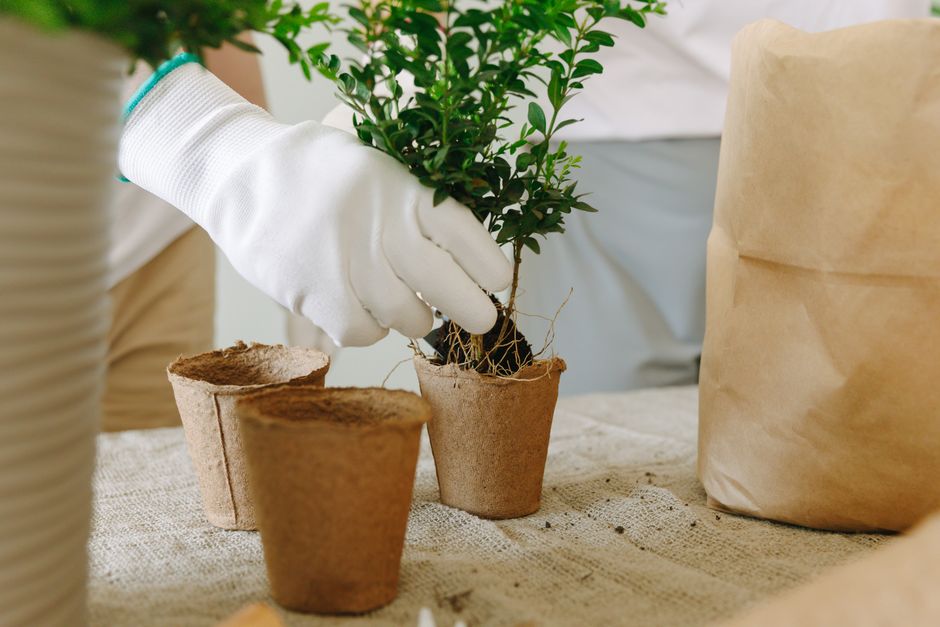
After Transplanting Seedling Care: Keep Your Young Plants Thriving
You've successfully started your seeds indoors, watched them sprout, and now they've grown big enough for their new homes. Transplanting seedlings is an exciting step, but the period immediately after can be a delicate one for your young plants. Proper after transplanting seedling care is crucial to help them recover quickly from the move and continue their journey to becoming strong, productive plants. This guide will walk you through the essential steps to ensure your transplanted seedlings not only survive but truly thrive indoors.
After transplanting seedling care refers to the specific environmental adjustments and nurturing practices needed for young plants in the days and weeks following their move from a seed tray or smaller pot into a larger container. This critical period helps plants overcome the stress of relocation and establishes a robust root system in their new growing medium.
What is Transplant Shock and How Can You Prevent It?
Transplant shock is the stress response plants experience after being moved from one growing environment to another, often resulting in wilting, yellowing leaves, or stunted growth. This happens because the plant's root system is disturbed during the move, making it harder for the roots to take up water and nutrients efficiently in the new pot.
To prevent transplant shock, handle your seedlings gently, disturbing the roots as little as possible. Prepare their new pots with moist soil before you begin, so they have a soft landing. Watering immediately after transplanting helps settle the soil around the roots and provides much-needed moisture.
Moving your seedlings to a slightly less intense light environment for the first day or two can also ease the transition. Think of it like a recovery room for your plants. Gradually reintroduce them to their usual light levels as they show signs of recovery.
How Should You Water Seedlings After Transplanting?
You should water your seedlings immediately after transplanting, then consistently check the soil moisture and water when the top inch or two feels dry. Consistent moisture is key, but it is equally important to avoid overwatering, which can suffocate roots and encourage disease.
When watering, be gentle to avoid dislodging the newly settled seedlings. A small watering can with a fine spout or even a squeeze bottle works well. Ensure that water drains freely from the bottom of the pot. Never let your seedlings sit in standing water for extended periods. For indoor setups with electrical components like grow light timers or pumps, always take care to keep them away from water spills to prevent hazards.
Signs of Under or Overwatering
Learning to read your plants' signals is vital for good watering habits. If your transplanted seedlings are underwatered, the soil will feel completely dry, and their leaves may wilt and appear limp or crispy at the edges.
On the other hand, overwatered seedlings might also appear droopy, but their leaves may turn yellow or develop a soggy appearance. The soil will likely be constantly wet, and you might even notice a musty smell or green algae forming on the surface. Adjust your watering schedule based on these visual cues and the feel of the soil.
What Kind of Light Do Transplanted Seedlings Need?
Transplanted seedlings need consistent, appropriate light to recover and grow, often benefiting from slightly reduced intensity initially to help them settle into their new homes. After a day or two of less intense light, gradually return them to their usual grow light schedule, ensuring they get enough brightness without being scorched.
Keep your LED grow lights at the correct distance from your young plants. Too close, and they can cause stress or leaf burn. Too far, and your seedlings might stretch and become leggy as they search for more light. If you notice your seedlings stretching or becoming spindly, they are likely not getting enough light. You can find more specific guidance on this in our guide, Why Are Your Seedlings Leggy Under Grow Lights? Fix It Now!
Monitor your plants closely for any signs of stress, such as yellowing, browning, or sudden wilting, which could indicate a light issue. Adjusting light distance or intensity slightly can often resolve these problems quickly.
Should You Fertilize Young Plants Immediately After Transplanting?
Generally, you should wait a week or two after transplanting before applying any fertilizer to young plants. This waiting period allows the seedlings to overcome transplant shock and establish their roots in the new growing medium before introducing additional nutrients.
Most potting mixes designed for seedlings and young plants contain enough nutrients to support initial growth. Once you do begin to fertilize, use a very diluted solution, typically half or even quarter strength of the recommended dosage on your nutrient bottle. Always follow the manufacturer's guidelines for your specific plant type and nutrient product. Over-fertilizing can burn delicate young roots and do more harm than good.
How Can You Tell Your Transplanted Seedlings Are Thriving?
You can tell your transplanted seedlings are thriving when you observe new leaf growth, healthy green color, and strong, upright stems within a few days to a week after their move. These are clear indicators that they have successfully recovered from transplant shock and are actively growing.
Look for the emergence of new true leaves, which are the leaves that appear after the initial cotyledons. The stems should appear firm and not spindly, and the overall plant structure should be robust. A healthy root system will also start to anchor the plant firmly in its new pot, though you won't see this directly. Continued steady growth and resilience are the best signs of success.
Final Thoughts
Mastering after transplanting seedling care is a rewarding skill for any indoor gardener. By paying close attention to watering, light, and nutrient needs, you can minimize transplant shock and encourage your young plants to develop into strong, productive additions to your indoor garden. Keep observing your plants, and they will tell you what they need to succeed. Explore more MicroVeg guides for additional tips to perfect your indoor growing journey.
Frequently Asked Questions
How long does it take for seedlings to recover from transplant shock?
Seedlings typically recover from transplant shock within a few days to a week, showing signs of new growth and improved vigor.
Should I water my seedlings before or after transplanting?
It's best to water your seedlings a few hours before transplanting to ensure they are hydrated, and then water immediately after transplanting to settle the soil.
Can I move transplanted seedlings outside immediately?
No, transplanted seedlings should not be moved outside immediately. They need a hardening off period to gradually acclimate to outdoor conditions first.
What kind of soil is best for transplanted seedlings?
A well-draining, sterile potting mix designed for seedlings or young plants is best, as it provides good aeration and moisture retention without being too heavy.
Explore More Plant Care Guides
 Plant Care
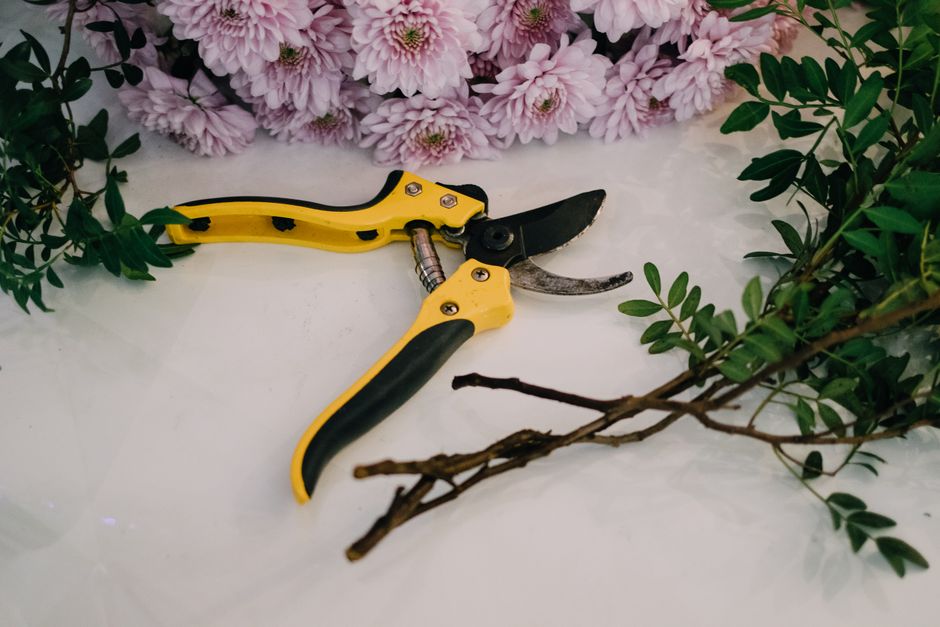
Pruning Chrysanthemums for Longer Indoor Blooms
Discover effective pruning techniques for chrysanthemums to ensure more vibrant and continuous blooms in your indoor garden.
 Plant Care
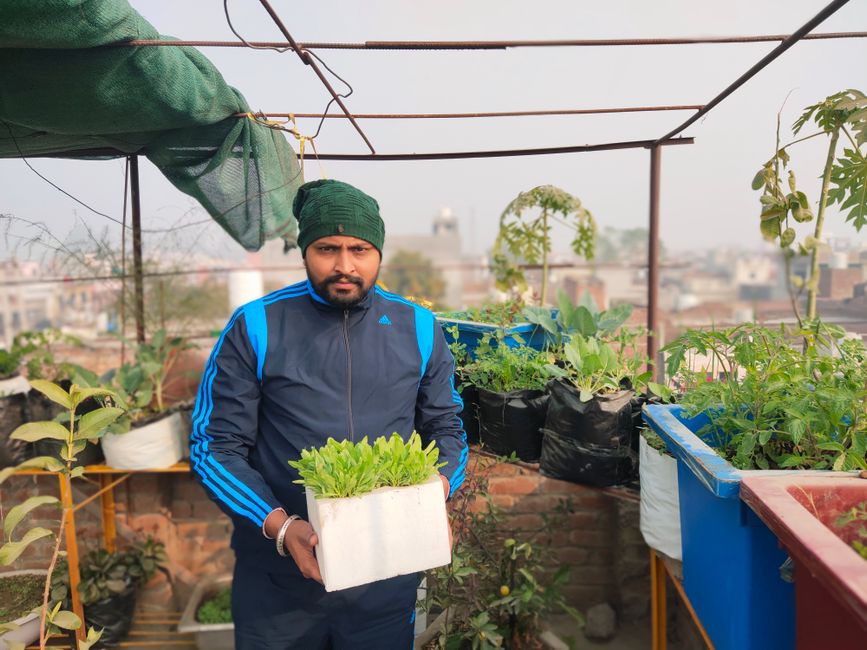
How to Grow Spinach Indoors: Fresh Leaves Year-Round
Learn how to grow fresh spinach indoors all year long, perfect for small spaces and a continuous harvest.
 Plant Care
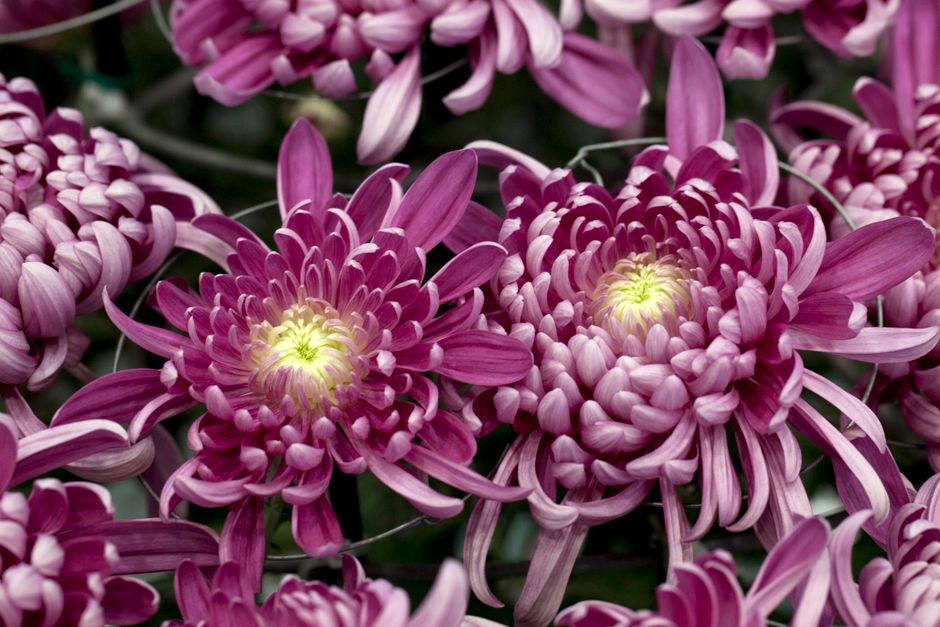
Indoor Chrysanthemum Care: Avoid This Common Mistake
Bringing chrysanthemums indoors for fall decor is popular, but many home growers make a key mistake that causes these vibrant plants to quickly decline.