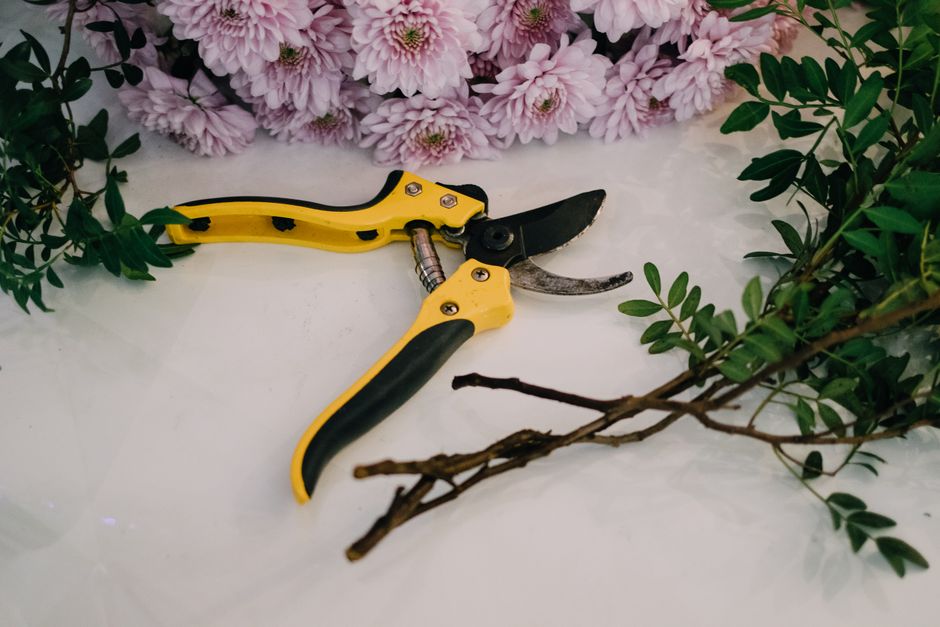
Pruning Chrysanthemums for Longer Indoor Blooms
Bringing the vibrant colors of chrysanthemums indoors can brighten any space, but keeping them blooming can feel like a mystery. Many home growers wonder if deadheading spent flowers truly helps. Pruning chrysanthemums is the strategic removal of plant parts to improve the plant's health, shape, and flowering potential, and it is far more effective than just snipping off dead blooms. This guide will show you how to maintain your indoor mums for a longer, more spectacular display.
Why Traditional Deadheading Isn't Enough for Indoor Mums
Traditional deadheading, which only removes spent flowers, often falls short for indoor chrysanthemums because it doesn't address the plant's overall growth habit or energy allocation. While deadheading does tidy up the plant and prevents it from putting energy into seed production, it typically won't trigger a significant new flush of blooms on its own.
Chrysanthemums, like many flowering plants, have a natural life cycle for their blooms. Once a flower opens and then fades, its purpose is generally complete. Simply cutting off the old flower head doesn't send a strong enough signal to the plant to create a whole new set of flower buds. The plant needs more strategic guidance to redirect its energy effectively.
For indoor growers, especially those in hydroponic or container setups, understanding the plant's full growth cycle is key. You're aiming for sustained beauty, not just a quick fix. This means moving beyond simple snipping to a more comprehensive pruning approach that encourages robust new growth. For more common mistakes to avoid, check out our guide on Indoor Chrysanthemum Care: Avoid This Common Mistake.
The Best Way to Prune Chrysanthemums for Continuous Blooms
The best way to prune chrysanthemums for continuous indoor blooms involves strategic pinching and cutting back at different stages of the plant's life cycle. These methods encourage the plant to produce more branches, which in turn leads to a greater number of flower buds and a fuller, more vibrant display.
Pinching is a gentle yet powerful technique used on young chrysanthemum plants. It involves removing the very tip of a growing stem, typically the top half-inch or so, including a few small leaves. This action tells the plant to stop growing upward and instead put energy into developing side shoots from the leaf nodes below the pinch. More side shoots mean more potential flower stalks.
Cutting back, on the other hand, is a more aggressive form of pruning, often done after a significant bloom cycle or to rejuvenate an older plant. This involves removing a larger portion of the stem, sometimes up to one-third or even half of its length. This encourages strong new growth from lower on the plant, preparing it for future blooms. Remember, when working with any electrical components near water, like hydroponic pumps or timers, always ensure they are properly grounded and kept away from spills to prevent electrical hazards.
When to Pinch Your Indoor Chrysanthemums
Timing is everything when it comes to pinching chrysanthemums. You should begin pinching young plants when they are about 6-8 inches tall and have developed several sets of leaves. Continue this process every two to three weeks until mid-summer or until flower buds start to form, depending on your desired bloom time.
To pinch, simply use your thumb and forefinger or a small, clean pair of snips to remove the soft growing tip of each stem. Make sure to remove only the very top section. If you are growing a chrysanthemum that you want to bloom for a specific event, stop pinching about 8-10 weeks before you want the flowers to appear. This allows the plant time to develop and open its buds.
Caring for Your Chrysanthemums After Pruning Indoors
After pruning your indoor chrysanthemums, providing optimal light, consistent moisture, and proper nutrients is crucial to support new growth and future blooms. The plant has just used energy to heal from pruning, and it will need resources to produce new stems and leaves.
Light: Chrysanthemums need plenty of light, even more so after pruning when they are actively growing. Aim for at least 6-8 hours of direct, bright light daily. If natural light is insufficient, consider using LED grow lights. These lights can provide the full spectrum needed for robust growth and flowering, especially in indoor setups. Adjust the light intensity and duration according to the plant's response and the light manufacturer's recommendations.
Watering: Consistency is key for container-grown and hydroponic mums. For soil-based containers, allow the top inch of soil to dry out slightly before watering thoroughly. Ensure your pot has good drainage to prevent waterlogging. In hydroponic systems, maintain your nutrient reservoir levels and check the solution's parameters regularly. Proper hydration supports nutrient uptake and overall plant vigor.
Nutrients: As new growth emerges, your chrysanthemum will have an increased demand for nutrients. For hydroponic systems, ensure your nutrient solution is fresh and properly balanced. For soil-grown plants, a balanced liquid fertilizer can be applied according to the product's instructions. Avoid over-fertilizing, which can burn roots. Learn more about preparing nutrient solutions with our guide on How to Mix Hydroponic Nutrients for Beginners.
Temperature and Air Circulation: Maintain moderate indoor temperatures, ideally between 60-70°F (15-21°C). Good air circulation helps prevent fungal diseases, especially in humid indoor environments. A small oscillating fan can be beneficial for moving air around your plants.
Encouraging a Second Flush of Indoor Mum Blooms
Encouraging a second flush of indoor mum blooms primarily depends on the chrysanthemum variety, environmental conditions, and proper post-bloom care, including a significant cutback. Not all chrysanthemum varieties are equally prone to reblooming indoors, but with careful management, you can often extend their flowering period or get another round of blossoms.
Chrysanthemums are often considered 'short-day' plants, meaning they initiate flower buds when the days are shorter and nights are longer. For indoor growing, you can mimic these conditions using your grow lights. After the first main flush of flowers has faded, cut back the entire plant by about one-third to one-half of its height. This drastic cut encourages new vegetative growth.
Once new growth appears, you'll need to adjust the light cycle to stimulate reblooming. Provide approximately 10-12 hours of uninterrupted darkness each day for about 6-8 weeks. This can be achieved by placing the plant in a dark room or covering it with an opaque material during the dark period. During the light period, ensure they receive bright, intense light from your grow lights.
During this reblooming cycle, continue with consistent watering and a balanced nutrient regimen. Some growers find that switching to a 'bloom' formula with a higher phosphorus content can help encourage flower development. Monitor your plant closely for signs of new bud formation. While it requires patience and specific light management, achieving a second flush of indoor mum blooms is a rewarding challenge for the dedicated home gardener.
Final Thoughts
Mastering the art of pruning chrysanthemums can truly transform your indoor gardening experience, leading to more vibrant and lasting displays. By moving beyond simple deadheading to a more strategic approach, you will enjoy healthier plants and more continuous blooms. Explore more MicroVeg guides for tips on maximizing your indoor harvest.
Frequently Asked Questions
Is deadheading mums completely useless?
No, deadheading can improve the appearance of the plant by removing spent flowers, but it often does not significantly stimulate a large new flush of blooms compared to strategic pruning.
How often should I prune my indoor chrysanthemums?
For continuous growth and flowering, pinch young plants every few weeks until buds begin to form. After a main bloom cycle, you can cut back more significantly.
Can chrysanthemums be grown hydroponically?
Yes, chrysanthemums can be successfully grown in hydroponic systems, where precise control over nutrients and water can lead to robust growth and abundant flowers.
What light do indoor chrysanthemums need to rebloom?
Indoor chrysanthemums generally need short days (10-12 hours of light) to initiate flowering, so managing their light cycle with grow lights is key for reblooming.
Explore More Plant Care Guides
 Plant Care
How to Grow Spinach Indoors: Fresh Leaves Year-Round
Learn how to grow fresh spinach indoors all year long, perfect for small spaces and a continuous harvest.
 Plant Care
Indoor Chrysanthemum Care: Avoid This Common Mistake
Bringing chrysanthemums indoors for fall decor is popular, but many home growers make a key mistake that causes these vibrant plants to quickly decline.
 Plant Care
Pruning Basil: Maximize Your Indoor Hydroponic Harvest
Discover the simple secrets to pruning basil for a lush, abundant indoor harvest and prevent your plants from going to seed too soon.