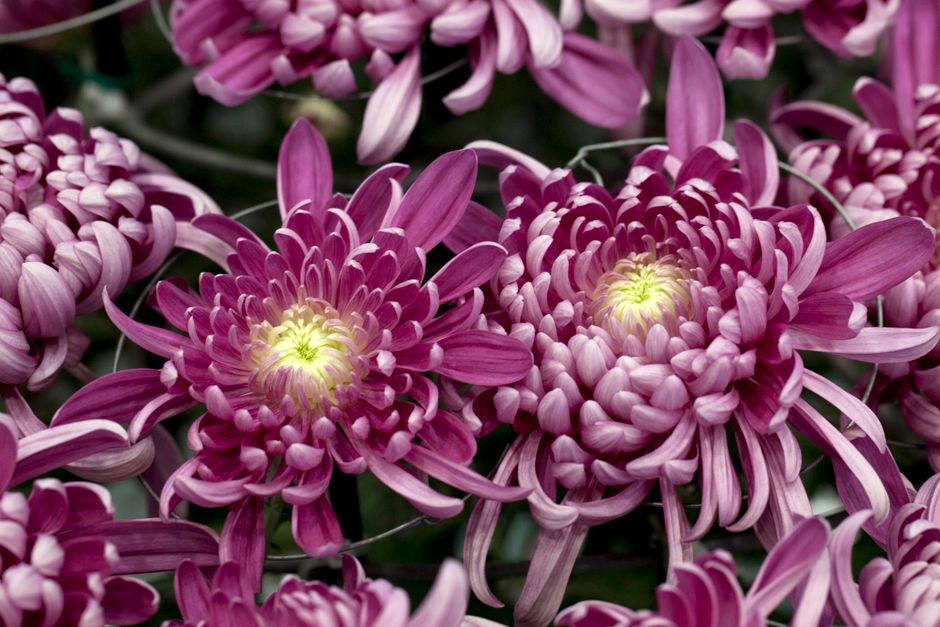
Indoor Chrysanthemum Care: Avoid This Common Mistake
Few plants capture the essence of autumn quite like the chrysanthemum, or 'mum'. Their rich, jewel-toned blooms bring a cozy splash of color to our homes as the natural world outside begins to fade. If you love decorating with these seasonal beauties, you are not alone. Many of us pick up a gorgeous potted mum, dreaming of weeks of vibrant color indoors.
However, the dream often fades fast. Within days or a couple of weeks, those cheerful flowers might start to wilt, turn brown, and leave you wondering what went wrong. Excellent indoor chrysanthemum care ensures your plant thrives, not just survives. The truth is, one common mistake leads to their early demise. Luckily, with a few simple adjustments, you can keep your indoor mums looking their best for much longer.
What is the Biggest Mistake in Indoor Chrysanthemum Care?
The biggest mistake in indoor chrysanthemum care is often treating these vibrant plants as temporary decorations rather than living, breathing organisms with specific needs, particularly inconsistent watering and inadequate light.
Many home growers bring a mum inside and place it in a prime decorative spot, then forget about its basic requirements. They might water it sporadically, either too much or too little, or place it in a dark corner far from any natural light. This neglect quickly stresses the plant, leading to wilting, yellowing leaves, and premature flower fade.
Chrysanthemums, even those bred for container life, need consistent moisture. They also need bright, indirect light to maintain their blooms and overall health. Without these essentials, your beautiful mum will quickly lose its vigor and charm.
How Do I Keep My Potted Mums Alive Indoors?
To keep your potted mums alive and thriving indoors, provide consistent moisture, ample bright light, proper temperature, and occasional light feeding.
Think of your mum as a plant that's used to outdoor conditions, even if it's in a pot. Replicating those general needs indoors will give it the best chance.
Provide Consistent Moisture, But Avoid Overwatering
Watering is often where things go wrong. Indoor mums prefer consistently moist soil, but not soggy. Check the soil every day by sticking your finger about an inch into the potting mix. If it feels dry, it's time to water.
Water thoroughly until you see water draining from the bottom of the pot. Always make sure your decorative pot has drainage holes, or place the mum's nursery pot inside a decorative cachepot and remove excess water from the bottom after watering. Standing water can lead to root rot. When handling water around your plants, always keep electrical timers, pumps, and other devices safely away from spills and splashes.
Give Them Plenty of Light
While mums are often displayed in low-light areas, they truly need bright, indirect light to sustain their blooms. A spot near a south or west-facing window is ideal. If natural light is scarce, consider supplementing with a grow light. Even a small LED grow light can make a big difference in keeping your mum happy and blooming longer.
If your plants are struggling under grow lights, check the light's distance and duration. Mums generally prefer 4-6 hours of direct light, or 8-10 hours of bright indirect light, daily.
Maintain a Cool, Stable Temperature
Mums actually prefer cooler temperatures, ideally between 60-65°F (15-18°C) during the day and slightly cooler at night. Avoid placing them near heat vents, drafty doorways, or hot appliances, as sudden temperature fluctuations and dry air can stress the plant and shorten bloom life.
Consider Light Nutrients
The mums you buy are often packed with nutrients to support their initial flush of blooms. For short-term decorative use, you might not need to fertilize at all. However, if you plan to keep your mum longer, a dilute, balanced liquid fertilizer applied every few weeks can help. Always follow the dosage instructions on your chosen nutrient bottle.
Can You Grow Mums Hydroponically?
Yes, chrysanthemums can be successfully grown hydroponically, offering precise control over their environment and nutrient delivery, which can lead to healthier plants and potentially longer-lasting blooms.
Growing mums in a hydroponic system allows you to manage their water and nutrient intake precisely, which is ideal for a plant that dislikes inconsistent moisture. Systems like wick systems, deep water culture (DWC), or even simple Kratky setups can work for mums.
When setting up a hydroponic mum, ensure proper support for the plant as it grows. Use a balanced hydroponic nutrient solution formulated for flowering plants. Monitor your nutrient solution's levels and pH regularly. If you're new to this, learning how to mix hydroponic nutrients for beginners is a great first step.
What Do Mums Need to Bloom Longer Indoors?
To encourage your indoor mums to bloom longer, ensure they receive consistent water, ample bright light, cooler temperatures, and practice regular deadheading.
Deadheading is the process of removing spent or faded flowers. This simple task directs the plant's energy towards producing new buds rather than setting seeds. Pinch off or snip any faded blooms right below the flower head or at the nearest leaf node.
Maintaining those cooler temperatures and consistent moisture also plays a huge role in extending bloom time. Mums are sensitive to drying out, which can quickly lead to flower drop. Good air circulation also helps prevent fungal issues that can shorten bloom life.
What Should I Do With Mums After They Stop Blooming?
After your indoor mums finish blooming, you can try to keep them alive by pruning back spent flower stalks, reducing watering, and providing a period of rest, although getting them to rebloom indoors can be challenging.
Once the flowers have all faded, prune the plant back significantly, cutting stems down to about 4-6 inches above the soil line. Move the plant to a cooler, less brightly lit spot, and reduce watering. The goal is to let the plant rest.
Many commercially grown mums are not hardy enough to thrive long-term indoors or be successfully re-planted outdoors in all climates. However, some varieties might produce new foliage with proper care. You can gradually reintroduce more light and water in spring, hoping for new growth. For a dedicated indoor grower, starting new plants from cuttings in a hydroponic setup can be a rewarding way to keep the mum cycle going.
Final Thoughts
Keeping your indoor chrysanthemum vibrant and full of life is entirely possible with just a little attention to its core needs. By avoiding the common mistake of inconsistent care, especially regarding watering and light, you can enjoy these beautiful plants for weeks. Keep exploring MicroVeg guides for more tips on making your indoor garden flourish.
Frequently Asked Questions
How often should I water indoor mums?
Check your indoor mum's soil daily; water thoroughly when the top inch of soil feels dry, ensuring proper drainage to prevent root rot.
Do indoor mums need direct sunlight?
Indoor mums thrive in bright, indirect light for 4-6 hours daily, or 8-10 hours of bright indirect light, which helps extend their blooming period.
Can indoor mums rebloom?
Getting indoor mums to rebloom can be challenging because they require specific light cycles (short days) and cool temperatures to initiate new buds.
What type of fertilizer is best for indoor chrysanthemums?
For indoor chrysanthemums, use a dilute, balanced liquid fertilizer sparingly, following the product's instructions, especially if you want to extend their life beyond initial blooms.
Explore More Plant Care Guides
 Plant Care
Pruning Chrysanthemums for Longer Indoor Blooms
Discover effective pruning techniques for chrysanthemums to ensure more vibrant and continuous blooms in your indoor garden.
 Plant Care
How to Grow Spinach Indoors: Fresh Leaves Year-Round
Learn how to grow fresh spinach indoors all year long, perfect for small spaces and a continuous harvest.
 Plant Care
Pruning Basil: Maximize Your Indoor Hydroponic Harvest
Discover the simple secrets to pruning basil for a lush, abundant indoor harvest and prevent your plants from going to seed too soon.