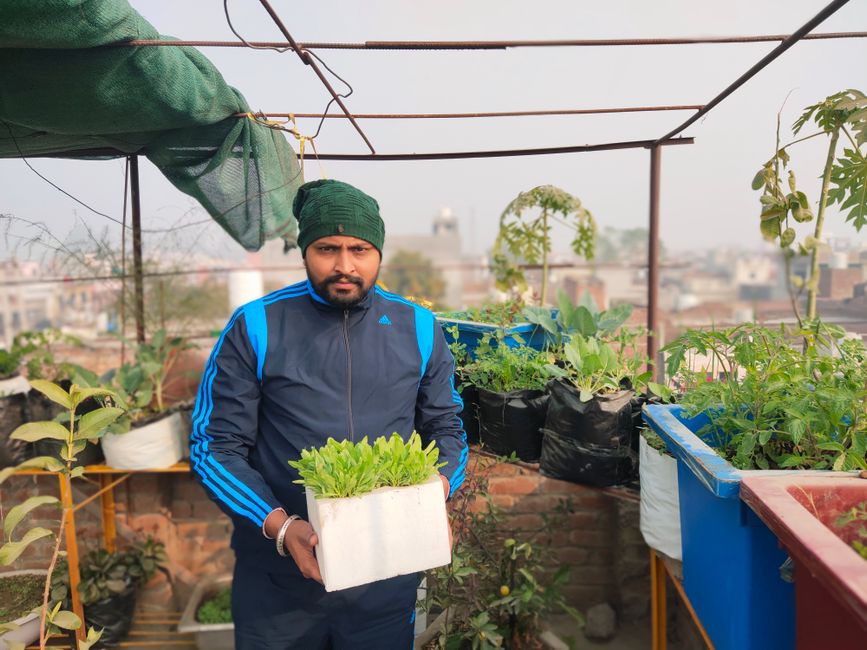
How to Grow Spinach Indoors: Fresh Leaves Year-Round
Growing spinach indoors is a rewarding way to enjoy fresh, nutritious leaves year-round, even in small spaces. This guide will walk you through everything you need to know, from choosing the right varieties to harvesting your delicious greens. Indoor spinach cultivation allows you to control the environment, minimize pests, and ensure a continuous supply of this versatile vegetable right from your kitchen.
What Kind of Spinach Can You Grow Indoors?
You can successfully grow many spinach varieties indoors, but smaller, faster-growing types like 'Bloomsdale Long Standing', 'Tyee', and 'Baby Leaf' are often best suited for container or hydroponic setups. These varieties are generally more compact and reach maturity quickly, making them ideal for continuous harvesting in a controlled indoor environment.
When selecting seeds, look for descriptions that mention "compact," "container-friendly," or "fast-growing." Some growers also have success with 'Space', 'Giant Noble', or 'America' spinach varieties. Focusing on types that produce smaller leaves or are suitable for baby spinach harvests will give you the best results.
Consider your available space and desired harvest size. If you want continuous small harvests for salads, baby leaf varieties are perfect. For larger, more mature leaves, you might need slightly bigger containers and a bit more time.
Setting Up Your Indoor Spinach Garden
Setting up your indoor spinach garden involves choosing between soil and hydroponic methods, selecting appropriate containers or systems, and preparing your growing medium. Both approaches can yield great results, but they require different initial setups.
Growing Spinach in Soil
If you prefer traditional soil gardening, choose containers that are at least 6 inches deep and have good drainage holes. Spinach roots don't go super deep, but enough space helps with consistent moisture and nutrient uptake. Terracotta pots can be good for air circulation, but they dry out faster. Plastic pots retain moisture longer.
Fill your containers with a high-quality, well-draining potting mix. A good mix will provide aeration for the roots and hold moisture without becoming waterlogged. Avoid using garden soil, which can be too dense and may contain pests or diseases.
Sow spinach seeds about half an inch deep and an inch apart. Once they sprout and develop their first true leaves, thin them to about 3-4 inches apart. This gives each plant enough room to grow and prevents overcrowding, which can lead to stunted growth and mildew issues.
Growing Spinach in Hydroponics
Growing spinach hydroponically is an excellent option for maximizing space and accelerating growth. Systems like Kratky, nutrient film technique (NFT), or deep water culture (DWC) work well for spinach. You'll need net pots, a growing medium like rockwool or coco coir, and a reservoir for your nutrient solution.
Start your spinach seeds in a propagation cube, like rockwool, and once they sprout, transfer them to your hydroponic system. Make sure the base of the net pot is touching the nutrient solution so the young roots can draw water. As the roots grow, they will extend into the solution.
For a successful hydroponic setup, remember to gather essential hydroponic supplies for beginners. You will need a good quality hydroponic nutrient solution specifically formulated for leafy greens. Always follow the manufacturer's instructions for mixing and dosing. Regular monitoring of your nutrient solution's pH and EC levels is important for healthy plant growth.
Keep electrical timers and pumps safely away from water spills to prevent hazards. Safety first in your indoor garden!
How Much Light and Water Does Indoor Spinach Need?
Indoor spinach thrives with plenty of light, typically needing 12-14 hours of good quality light per day, and consistent moisture without being waterlogged. Adequate lighting is crucial for robust growth and preventing leggy, weak plants.
If you don't have a very bright south-facing window, or even if you do, a dedicated LED grow light is highly recommended for growing spinach indoors. Look for full-spectrum lights, as these mimic natural sunlight and provide the necessary light wavelengths for photosynthesis. Positioning your grow light correctly is key; generally, it should be 6-12 inches above your plants, but always check the manufacturer's recommendations. Learn how to adjust LED grow lights to maximize plant growth.
For watering, consistency is more important than quantity. In soil, check the moisture level daily. Water when the top inch of soil feels dry to the touch, letting excess water drain away. Never let your pots sit in standing water, as this can lead to root rot. In hydroponic systems, ensure your reservoir is topped up regularly, maintaining the correct nutrient solution level.
Spinach prefers cooler temperatures, ideally between 50-70°F (10-21°C). High heat can cause spinach to bolt, meaning it will prematurely send up a flower stalk and become bitter. Maintain good air circulation around your plants, which can help prevent fungal issues.
Caring for and Harvesting Your Indoor Spinach
Caring for indoor spinach includes regular nutrient feeding, monitoring for pests, and maintaining proper environmental conditions, while harvesting involves picking outer leaves to encourage continuous growth. A little attention goes a long way in ensuring a bountiful harvest.
If you're growing in soil, begin feeding your spinach with a balanced liquid fertilizer once the plants have developed a few true leaves. Use a diluted solution according to the product's instructions, feeding every 2-4 weeks. Hydroponic systems require a constant supply of nutrients in the water. Remember to replenish your nutrient solution reservoir regularly, and change it out completely every 1-2 weeks to prevent nutrient imbalances and pathogen buildup.
Pests are less common indoors, but they can still appear. Keep an eye out for aphids, spider mites, or fungus gnats. Address any infestations quickly using organic pest control methods like neem oil or insecticidal soap. Good air circulation and not overwatering can also help deter pests.
You can start harvesting baby spinach leaves when they are about 2-3 inches long, usually 3-4 weeks after planting. For mature leaves, wait until they are 4-6 inches. To harvest, pick the outer, larger leaves, leaving the inner leaves to continue growing. This "cut and come again" method allows for multiple harvests from the same plant. You can also snip off entire plants if you prefer, then replant new seeds for a fresh batch.
Final Thoughts
Growing spinach indoors offers a delightful way to enjoy fresh, organic greens right from your home, regardless of the season. With the right setup, consistent care, and proper harvesting techniques, you can easily maintain a continuous supply of this healthy vegetable. Keep experimenting with different varieties and methods to find what works best for your space and enjoy the simple pleasure of homegrown food. Explore more MicroVeg guides for further tips and tricks!
Frequently Asked Questions
Can spinach grow in low light indoors?
Spinach prefers bright light, but some varieties can tolerate partial shade. For best results and a good harvest, use supplemental grow lights.
How often do you water indoor spinach?
Water indoor spinach when the top inch of soil feels dry, or ensure hydroponic roots are submerged in nutrient solution. Consistent moisture is key.
How long does it take to grow spinach indoors?
You can start harvesting baby spinach leaves in about 3-4 weeks, with mature leaves ready in 6-8 weeks, depending on the variety and growing conditions.
Does indoor spinach need fertilizer?
Yes, indoor spinach needs a balanced liquid fertilizer, whether grown in soil or hydroponics, to provide essential nutrients for healthy growth. Follow product instructions for dosage.
Explore More Plant Care Guides
 Plant Care
Pruning Chrysanthemums for Longer Indoor Blooms
Discover effective pruning techniques for chrysanthemums to ensure more vibrant and continuous blooms in your indoor garden.
 Plant Care
Indoor Chrysanthemum Care: Avoid This Common Mistake
Bringing chrysanthemums indoors for fall decor is popular, but many home growers make a key mistake that causes these vibrant plants to quickly decline.
 Plant Care
Pruning Basil: Maximize Your Indoor Hydroponic Harvest
Discover the simple secrets to pruning basil for a lush, abundant indoor harvest and prevent your plants from going to seed too soon.