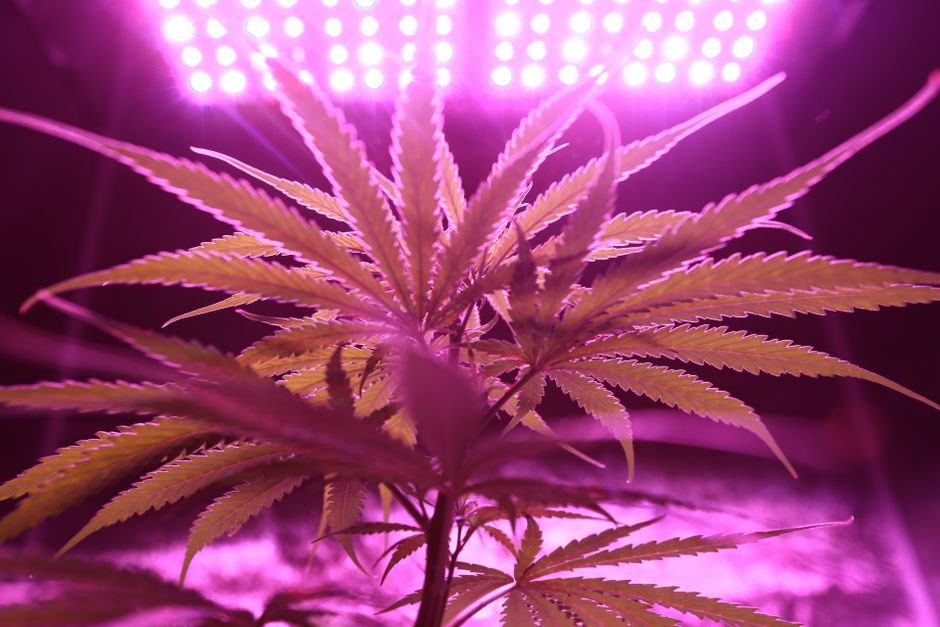
LED Grow Light Schedule: How Long to Keep Lights On
Setting up a consistent LED grow light schedule is one of the most effective ways to keep your indoor garden thriving year round. Indoor crops rely on controlled lighting to photosynthesize, grow strong stems, and build lush foliage. Knowing exactly how many hours your fixtures should run each day helps you avoid weak growth while keeping your electricity costs predictable.
Different crops require varying amounts of daily light exposure depending on their growth stage and harvest goals. Seedlings, microgreens, leafy greens, and fruiting crops each have specific daylight needs. By setting up a daily routine for your lighting equipment, you provide the balance of light and dark that indoor plants require.
How Long Should You Leave LED Grow Lights On Each Day?
You should leave LED grow lights on for 12 to 18 hours per day depending on the type of crop you are growing. Young plants and leafy greens generally benefit from longer daily light exposure, while mature fruiting plants require specific light cycles to transition into flowering.
Most indoor gardeners find that a steady daily schedule creates predictable growth. Giving your plants a consistent schedule mimics natural sunrise and sunset. This helps your crops build strong cellular structure without stalling their development or causing stress.
Plants also need dedicated time in total darkness every day. During dark hours, crops rest, process stored energy, and carry out essential internal chemical processes. Running your light fixtures continuously without a break can stress plants and lead to discolored foliage or slow development.
The exact duration of light depends on what you want from your harvest. Leafy greens like lettuce and spinach do best with longer light periods because they do not need to produce flowers. Plants that produce fruit require distinct cycles to switch from vegetative growth to setting blossoms.
What Is the Best LED Grow Light Schedule for Seedlings and Microgreens?
The best LED grow light schedule for seedlings and microgreens provides 14 to 18 hours of direct light followed by 6 to 10 hours of darkness every single day. Young sprouts need ample light energy to establish strong stems and early leaves without stretching toward the fixture.
Light Hours for Young Seedlings
Seedlings need strong light exposure as soon as their first leaves emerge above the growing medium. Providing plenty of daily light prevents your sprouts from growing tall, skinny, and top-heavy. If your seedlings begin to lean or look weak, review How Far Should LED Grow Lights Be From Plants? to make sure your fixture height matches your daily schedule.
Keeping your lights on for around 16 hours each day offers an ideal balance for young starts. This duration gives sprouts maximum energy for rapid tissue growth while still granting them enough rest during the dark cycle to build sturdy root systems.
Light Hours for Microgreens and Leafy Greens
Microgreens and quick-growing leafy greens like lettuce, kale, and basil thrive on 14 to 16 hours of daily light. Because these crops are harvested for their vegetative leaves rather than their flowers or fruit, they do not need dark periods to trigger blooming.
Giving greens consistent light keeps their leaves crisp and colorful. Consistent daily duration also prevents leafy greens from bolting prematurely. Bolting causes plants to send up seed stalks early, which can cause bitter flavors in your harvested leaves.
How Does Your LED Grow Light Schedule Change as Plants Mature?
Your LED grow light schedule changes as plants mature by moving from long daylight hours during early growth to structured light cycles during flowering and fruiting. Vegetables and herbs focus on leaf growth during their vegetative stage and turn toward production during their flowering stage.
During the vegetative stage, herbs and young vegetables benefit from 14 to 18 hours of daily light. This long photoperiod encourages rapid branching, leaf production, and root expansion. Plants build up reserves of energy during this stage to support future crops.
When growing fruiting crops like indoor tomatoes or peppers, reducing light hours can simulate the seasonal shift into autumn. Many flowering plants need a balanced schedule of 12 hours of light and 12 hours of complete darkness to start setting buds. Leafy greens and microgreens do not require this shift and can stay on a long daily light cycle until harvest.
Should You Leave LED Grow Lights On 24 Hours a Day?
No, you should not leave LED grow lights on 24 hours a day for most indoor plants. While continuous light might seem like a shortcut to faster growth, plants require dark hours to complete their natural metabolic processes.
During the dark period, plants switch from light-driven energy production to cellular respiration. They break down stored starches to build roots, repair damaged tissues, and strengthen stems. Depriving crops of darkness can cause leaf burn, stunted growth, and structural weakness.
Running fixtures continuously also shortens the operational life of your equipment and increases energy bills. Giving your setup a daily rest period keeps your lights cooler and reduces wear on internal electrical components. A standard dark break protects both your plants and your budget.
How Do You Set Up an Automatic Timer for Grow Lights?
You set up an automatic timer by plugging your LED grow light fixture into a mechanical or digital timer, setting your target daily hours, and plugging the timer directly into a wall outlet. Automated controls ensure your plants receive uniform lighting even when you are away from home.
Using a dedicated timer removes the hassle of flipping switches manually every morning and night. Manual switching often leads to irregular hours, which can confuse plants and slow down crop development over time.
Mechanical timers use push pins to set on and off times, making them simple and reliable. Digital timers offer precise programming, multiple schedule options, and battery backup features so power outages do not erase your settings.
When organizing your setup, position all power strips, timers, and electrical cords safely away from water trays, reservoirs, and misting bottles. Always secure loose wires above floor level to prevent water splashes from reaching live electrical outlets during routine plant care.
If you are running a water-based garden alongside your lights, such as a simple DIY Mason Jar Hydroponics project, keeping your electrical equipment high and dry is essential for safety.
Common LED Grow Light Schedule Mistakes to Avoid
Avoiding simple timer errors will save energy and help your indoor crops maintain steady growth throughout every stage of development.
- Irregular light hours: Changing your lighting schedule randomly from day to day disrupts plant growth and causes unnecessary stress.
- Skipping the dark period: Running lights continuously prevents crops from properly resting and utilizing stored energy reserves.
- Ignoring crop stages: Keeping mature flowering plants on a seedling schedule can delay or prevent flower and fruit production.
- Overheating the grow area: Operating lights during the hottest hours of the day can raise room temperatures beyond comfortable levels.
- Forgetting schedule resets: Failing to adjust digital timers after seasonal daylight savings time changes can shift your lighting window unexpectedly.
Adjusting your timer so lights run during cooler nighttime hours can help manage temperature inside compact growing spaces or small indoor setups. This strategy lowers ambient heat during warm summer days and takes advantage of lower electricity rates in some regions.
Final Thoughts
Finding the right LED grow light schedule gives your indoor crops the steady energy and rest they need for high yields. By matching daily light duration to your specific plants and using a reliable automatic timer, you can keep your garden healthy all year long. Explore our other MicroVeg guides to master every detail of indoor growing and smart small-space gardening.
Frequently Asked Questions
How many hours should an LED grow light be on for indoor herbs?
Indoor herbs generally grow best with 12 to 16 hours of daily light exposure. This provides plenty of energy for healthy leaf growth while allowing enough dark time for cellular rest.
Can I run my LED grow lights during the night instead of daytime?
Yes, running lights at night works well and can help keep ambient room temperatures lower during hot weather. Keep the daily schedule consistent every single day.
Do grow lights use a lot of electricity if left on 16 hours?
Modern LED grow lights are energy efficient compared to older lighting fixtures. Check your fixture product label or manual for exact power consumption details.
What happens if I forget to turn off my grow light for a night?
An occasional extra long light period will not kill your plants, though it may temporarily stress them. Resume your normal automated schedule the following day.
Explore More Grow Lights Guides
 Grow Lights
LED Grow Light Specs: What Home Growers Need to Know
Understanding LED grow light specs helps you pick the right light for healthy plants and a thriving indoor garden.
 Grow Lights
Set Your LED Grow Light Schedule for Happy Plants
Discover how to set the perfect LED grow light schedule for your indoor plants, ensuring they get just the right amount of light to thrive.
 Grow Lights
Plants Struggling Under Grow Lights? Fix It Fast!
If your indoor plants are struggling under grow lights, learn how to identify common problems and get them thriving again with our expert guide.