When to Put Seedlings Under Grow Lights: Complete Guide
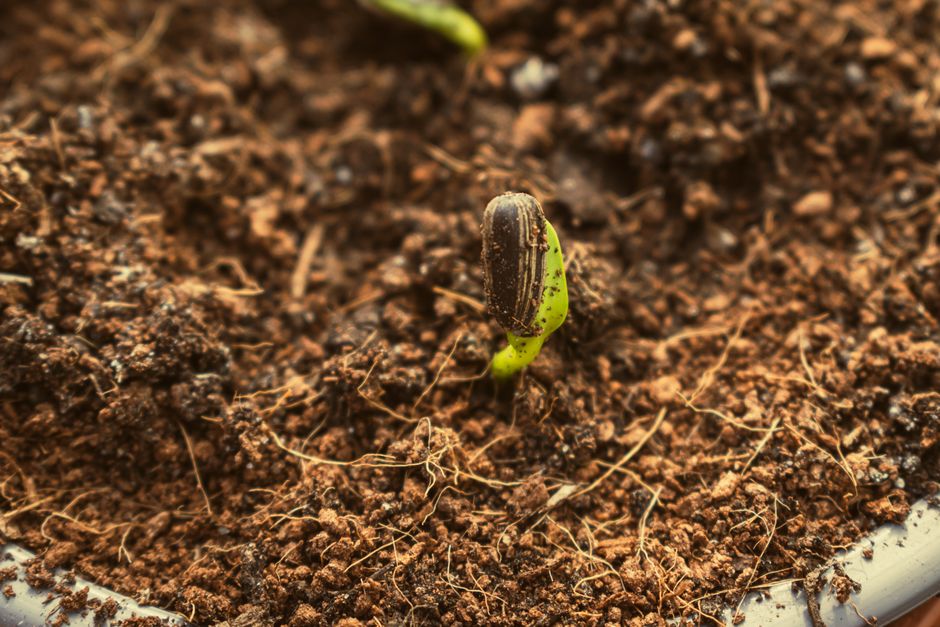
Starting seeds indoors is one of the most exciting parts of home gardening. However, many growers wonder exactly when to put seedlings under grow lights after sowing their seeds in cell trays or pots. The best time to position your trays under light is the exact moment you see the very first sprout break through the soil surface.
When to Put Seedlings Under Grow Lights After Germination
You should place your seed trays under grow lights as soon as the first green shoot emerges above the dirt. Seeds do not require light to germinate while hidden beneath the growing medium. They rely on stored energy inside the seed coat to send down a taproot and push a stem upward. Once that stem breaks into the air, the plant immediately requires light to begin photosynthesis.
If you leave newly germinated sprouts in the dark for even a day or two, they stretch rapidly toward whatever ambient room light they can find. This quick stretching drains the seedling energy store and creates tall, weak stems that easily fall over. Checking your seed trays every morning and evening allows you to catch germination as soon as it starts.
When you see one or two seeds sprout in a multi-cell tray, move the entire tray under bright overhead lighting. The remaining un-sprouted seeds will continue to germinate normally under the light without any issues. Quick action during this stage ensures your young plants build thick, sturdy stems from their very first day above ground.
Signs Your Seeds Are Ready for Light
Recognizing the early signs of germination helps you move your trays under fixtures at the perfect time. Look for these clear indicators during your daily tray checks:
- The top layer of potting soil begins to crack or bulge upward.
- Small green or white loops appear just above the dirt line.
- Tiny seed coats are lifted into the air by rising stems.
- The first pair of embryonic leaves begins to unfold.
What Happens If You Delay Lighting for Sprouts?
If you delay moving your seed trays under bright lighting, your young sprouts quickly grow weak and leggy. Without strong light, a seedling puts all its available energy into reaching upward as fast as possible. This reaction is a natural survival instinct designed to help wild plants reach sunlight through tall grass or fallen leaves.
In an indoor setting, this rapid growth produces thin, pale stems that cannot support the weight of future leaves. Soft, stretched stems are vulnerable to physical damage during watering and easily break under mild air currents from a fan. They are also far more susceptible to soil-borne fungi that cause young stems to collapse at the soil line.
While you can sometimes save stretched seedlings later by repotting them deeper, prevention is always easier. Starting your lighting routine early keeps the stem distance short between the soil level and the first set of leaves. Before starting new seeds, ensure your soil choice provides good drainage by reviewing our guide on seed starter mix vs potting soil.
How to Set Up Your Lights for New Sprouts
Set up your fixtures directly above your seed trays so the illumination hits every plant from directly overhead. Overhead lighting keeps stems growing straight up rather than slanting toward nearby windows or lamps. Position your light source so that all cells in the tray receive equal coverage across the entire surface.
Check your light fixture manual for recommended hanging distances, as different light types produce varying amounts of heat and brightness. Hanging lights too far above young sprouts causes them to stretch even under bright setups. Conversely, placing powerful fixtures too close can scorch delicate leaves or dry out seedling soil within a few hours.
To ensure your plants get the right balance of distance and power as they grow, check our step-by-step breakdown on how far should LED grow lights be from plants.
Managing Distance and Daily Light Schedules
Young sprouts need a consistent daily light schedule to maintain steady growth without becoming stressed. Most vegetable, flower, and herb seedlings thrive when given 12 to 16 hours of daily light followed by a dark period. Using a simple plug-in electrical timer keeps your lighting schedule consistent every day without requiring manual switches.
- Set your light timer for 12 to 16 hours of continuous operation per day.
- Provide 8 to 12 hours of total darkness each night so plants can process nutrients.
- Raise the lighting fixture gradually as plants grow taller to maintain safe spacing.
- Keep a small fan running nearby to gently circulate air around young stems.
When organizing electrical timers, light cords, and heating mats around seed trays, always prioritize electrical safety. Keep all power strips, cord plugs, and timer units elevated above table level so water runoff from bottom watering or misting cannot enter electrical components.
Common Mistakes When Lighting Young Seedlings
The most frequent error growers make is leaving grow lights running 24 hours a day without giving plants a rest period. Young plants need a regular dark period to complete natural biological processes and establish healthy root systems. Constant light causes stress, which can result in curled leaf edges, pale foliage, and slowed plant development.
Another mistake is relying solely on light from a windowsill to raise young seedlings indoors. Sunlight coming through window glass usually enters from a sharp angle and lacks adequate intensity during winter and early spring months. Seedlings grown on windowsills lean heavily toward the glass, leading to crooked, lopsided growth that is hard to correct later.
Finally, avoid leaving humidity domes over your seed trays after the seeds have sprouted under lights. Trapping high humidity under bright lights creates excess heat and soggy conditions that quickly cause stem rot. Remove plastic covers as soon as sprouts appear to allow proper air movement across the soil line. To build an ideal daily light routine for your specific setup, check our complete breakdown on LED grow light schedule recommendations.
Final Thoughts
Understanding when to put seedlings under grow lights sets your entire indoor garden up for healthy, productive growth. By turning on your fixtures as soon as the first green sprouts appear, you encourage strong stems, thick leaves, and vigorous roots. Take a look at our other MicroVeg indoor gardening guides to master every stage of your home growing journey.
Frequently Asked Questions
Do seeds need grow lights before they germinate?
No, seeds do not require light before germinating because they sprout using energy stored inside the seed. Keep seeds in warm, moist conditions until the first green shoot breaks through the soil.
Should you remove humidity domes when turning on grow lights?
Yes, remove humidity domes as soon as sprouts emerge and you turn on grow lights. Trapping humidity under bright lights causes heat buildup and fungal stem rot.
Can seedlings survive on windowsill light alone?
Most seedlings struggle on windowsill light alone because winter and spring sunlight lacks sufficient intensity. Sprouts on windowsills usually stretch and bend sideways toward the glass.
How many hours a day should grow lights be on for seedlings?
Keep grow lights on for 12 to 16 hours per day for young seedlings. Always provide 8 to 12 hours of continuous darkness every night so plants can rest.
Explore More Grow Lights Guides
 Grow Lights
LED Grow Light Specs: What Home Growers Need to Know
Understanding LED grow light specs helps you pick the right light for healthy plants and a thriving indoor garden.
 Grow Lights
Set Your LED Grow Light Schedule for Happy Plants
Discover how to set the perfect LED grow light schedule for your indoor plants, ensuring they get just the right amount of light to thrive.
 Grow Lights
Plants Struggling Under Grow Lights? Fix It Fast!
If your indoor plants are struggling under grow lights, learn how to identify common problems and get them thriving again with our expert guide.