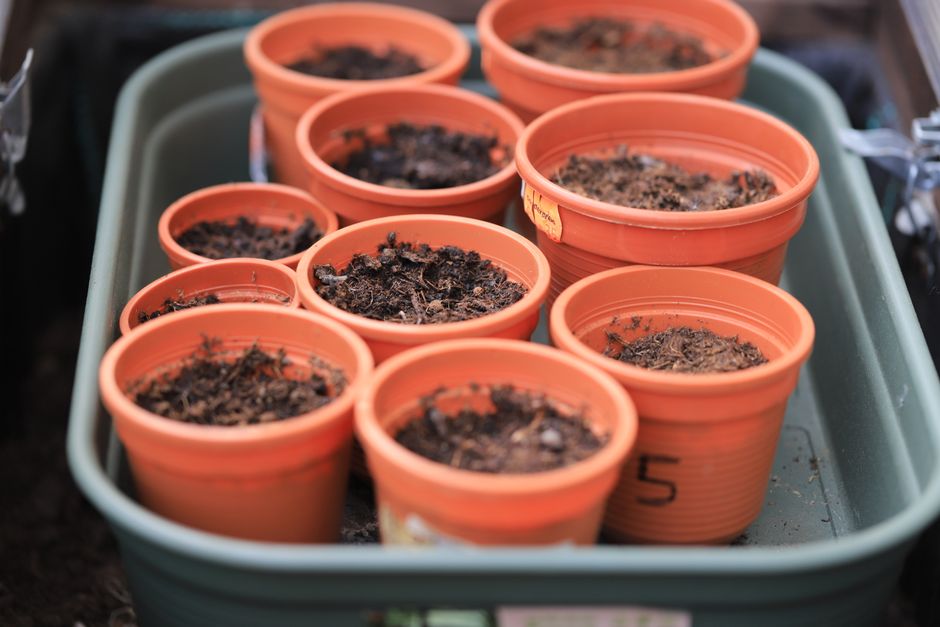
Best Seed Starting Mix for Indoor Plants: MicroVeg Guide
Starting seeds indoors is a rewarding step for any home grower, and choosing the right foundation is key. That foundation is your best seed starting mix. This specialized blend of fine, sterile ingredients provides the ideal environment for delicate young seedlings to sprout and establish strong roots. It offers excellent drainage, proper aeration, and a disease-free start, giving your tiny plants their best chance to thrive.
What Exactly is Seed Starting Mix, and Why Do You Need It?
Seed starting mix is a specialized growing medium, distinct from regular potting soil, designed to give your seeds the best possible start by providing optimal conditions for germination and early root development. Unlike denser potting soils, it's formulated to be light, fluffy, and free from large chunks that can impede tender root growth.
You need a dedicated seed starting mix because young seedlings are incredibly fragile. Their tiny roots require a fine, consistent texture to easily push through, and they are highly susceptible to diseases found in unsterilized garden soil or heavier potting mixes. This specialized blend ensures proper moisture retention without waterlogging, which is critical for successful germination and preventing damping-off disease.
Key Ingredients to Look For in a Quality Seed Starting Mix
A quality seed starting mix typically contains a blend of lightweight, fine-textured ingredients like peat moss or coconut coir, perlite or vermiculite, and sometimes a minimal amount of compost or worm castings. These components work together to create the ideal environment for your sprouting seeds.
Peat moss or coconut coir forms the bulk of the mix, providing structure and excellent moisture retention. Perlite or vermiculite are added for aeration and drainage, preventing compaction and ensuring roots get enough oxygen. Some mixes include a very small amount of nutrients, but generally, seed starting mixes are low in fertilizer because young seedlings do not need many nutrients right away.
Why Sterility Matters for Your Young Seedlings
Sterility is paramount in a seed starting mix because it protects delicate seedlings from diseases. Unsterilized soil can harbor pathogens like fungi that cause damping-off, a common and devastating disease that makes young sprouts suddenly collapse and die. A sterile mix ensures your seeds germinate in a clean, safe environment, free from these harmful organisms. Always ensure your seed starting mix comes from a reputable source, or sterilize your own if you are making it.
Potting Soil vs. Seed Starting Mix: Can You Use Potting Soil?
While it is generally not recommended, you can sometimes use regular potting soil for starting seeds, but it often needs modifications to improve drainage, reduce nutrient load, and minimize disease risk for delicate seedlings. Potting soil is usually too heavy and dense for tiny seeds and can contain larger particles that make it hard for roots to establish.
Potting soil also typically contains more nutrients than young seedlings need, which can burn their delicate roots. Furthermore, potting soil is often not sterile, increasing the risk of diseases and pests attacking your vulnerable sprouts. If you must use potting soil, consider sifting it to remove large particles and mixing in extra perlite or vermiculite to improve aeration and drainage. You can also bake it in an oven to sterilize it, though this can be smelly and is often not as effective as a commercially prepared sterile mix.
Can You Make Your Own DIY Seed Starting Mix?
Yes, you can absolutely make your own DIY seed starting mix at home using readily available materials, which can be a cost-effective and rewarding way to ensure your seedlings get a custom-tailored start. Crafting your own mix allows you to control the ingredients and tailor it to your specific needs, like growing certain types of vegetables or herbs.
Making your own mix is also a great way to save money, especially if you are starting many seeds. You can buy the individual components in bulk, which is often much cheaper than buying pre-mixed bags. Remember, the goal is a light, airy, and well-draining mix that retains just enough moisture.
Here’s a simple recipe for a basic DIY seed starting mix:
- 2 parts peat moss or coconut coir (for moisture retention)
- 1 part perlite or vermiculite (for aeration and drainage)
- 1/2 part fine compost or worm castings (for minimal nutrients)
Mix these ingredients thoroughly in a large container. You may want to wear a mask to avoid inhaling fine dust from the perlite or coir. For more tips on setting up your indoor garden, check out our guide on Indoor Seed Starting Small Space.
Preparing Your Seed Starting Mix for Sowing
Properly preparing your seed starting mix before sowing involves moistening it thoroughly, ensuring it’s evenly damp but not waterlogged, and then gently filling your trays without compacting the mix too much. This pre-moistening step is crucial because dry peat or coir can be difficult to re-wet once seeds are planted.
To prepare your mix, place the desired amount in a bucket or large tub. Slowly add warm water, mixing it in with your hands until the entire batch is uniformly moist. It should feel like a wrung-out sponge, damp but with no excess water dripping when you squeeze it. Then, fill your seed trays or containers, lightly patting the surface to remove large air pockets, but avoid pressing down too firmly. This keeps the mix airy for tiny roots. Once your seedlings have grown, you'll need to know How to Transplant Seedlings successfully.
Final Thoughts
Choosing the best seed starting mix is a small but mighty decision that sets the stage for a successful indoor garden. By understanding what makes a good mix and how to prepare it, you are giving your plants the best possible start. Keep growing, and explore more MicroVeg guides for all your indoor gardening adventures!
Frequently Asked Questions
Can I reuse seed starting mix?
It's generally not recommended to reuse seed starting mix because it can harbor pathogens and spent nutrients, increasing the risk of disease for new seedlings.
How fine should seed starting mix be?
Seed starting mix should be very fine and consistent, without large chunks, to allow delicate seedling roots to grow easily and prevent air pockets.
Does seed starting mix need fertilizer?
Most seed starting mixes contain very little to no fertilizer because young seedlings do not need many nutrients until they develop their first true leaves.
What is the best way to moisten seed starting mix?
The best way is to place the dry mix in a large container, slowly add warm water while mixing with your hands until it feels like a wrung-out sponge, evenly damp but not soaking wet.
Explore More Plant Care Guides
 Plant Care
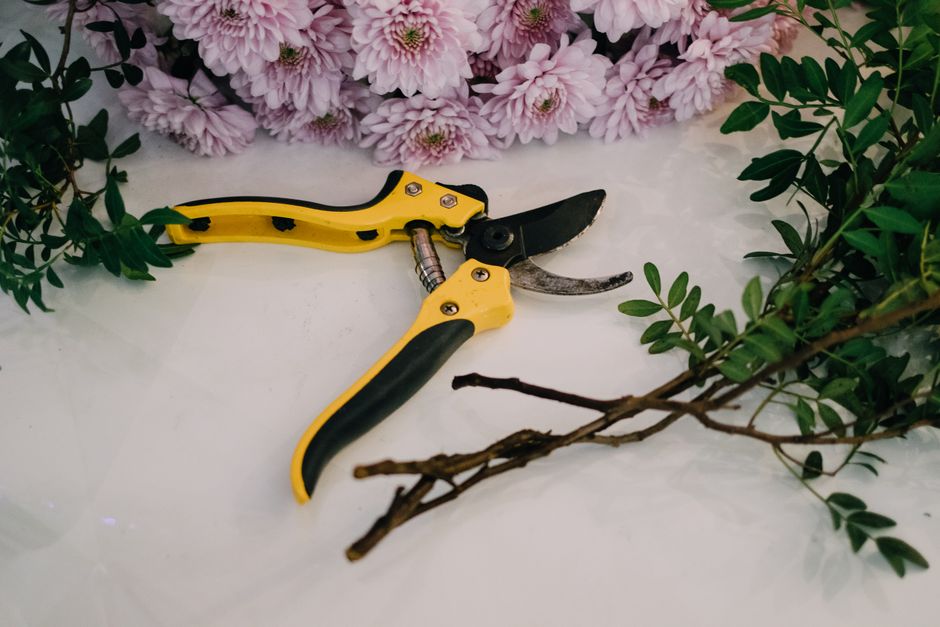
Pruning Chrysanthemums for Longer Indoor Blooms
Discover effective pruning techniques for chrysanthemums to ensure more vibrant and continuous blooms in your indoor garden.
 Plant Care
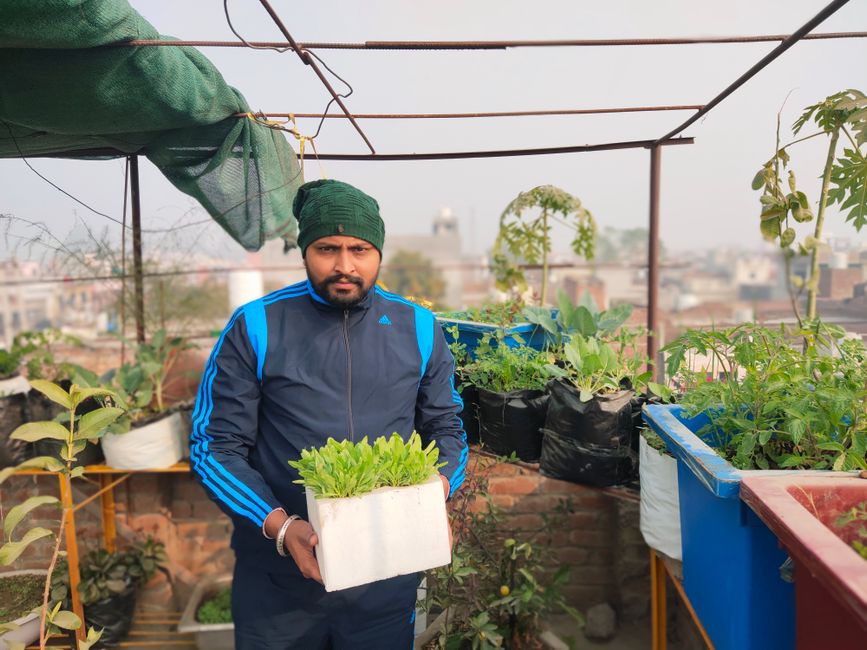
How to Grow Spinach Indoors: Fresh Leaves Year-Round
Learn how to grow fresh spinach indoors all year long, perfect for small spaces and a continuous harvest.
 Plant Care
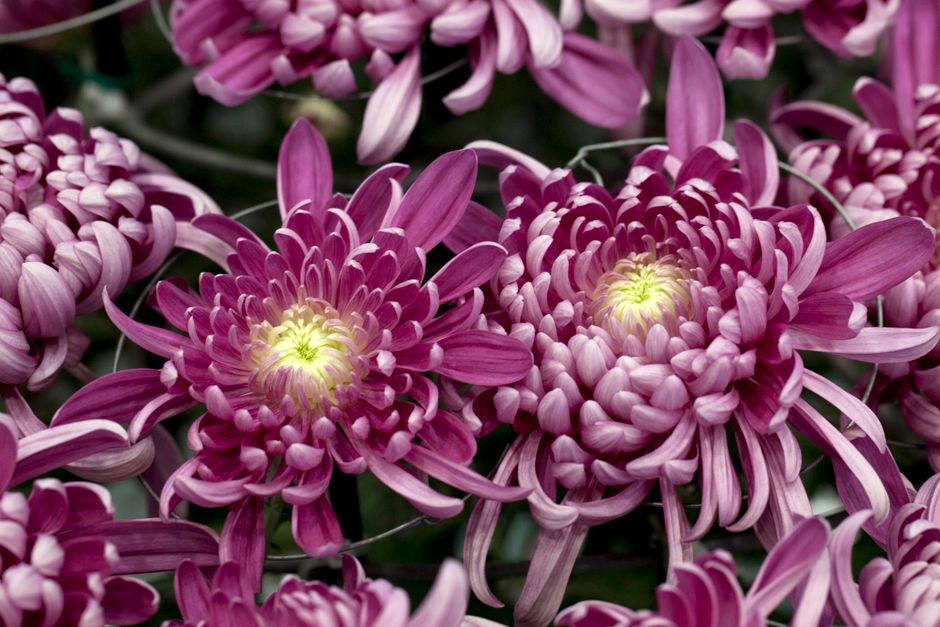
Indoor Chrysanthemum Care: Avoid This Common Mistake
Bringing chrysanthemums indoors for fall decor is popular, but many home growers make a key mistake that causes these vibrant plants to quickly decline.