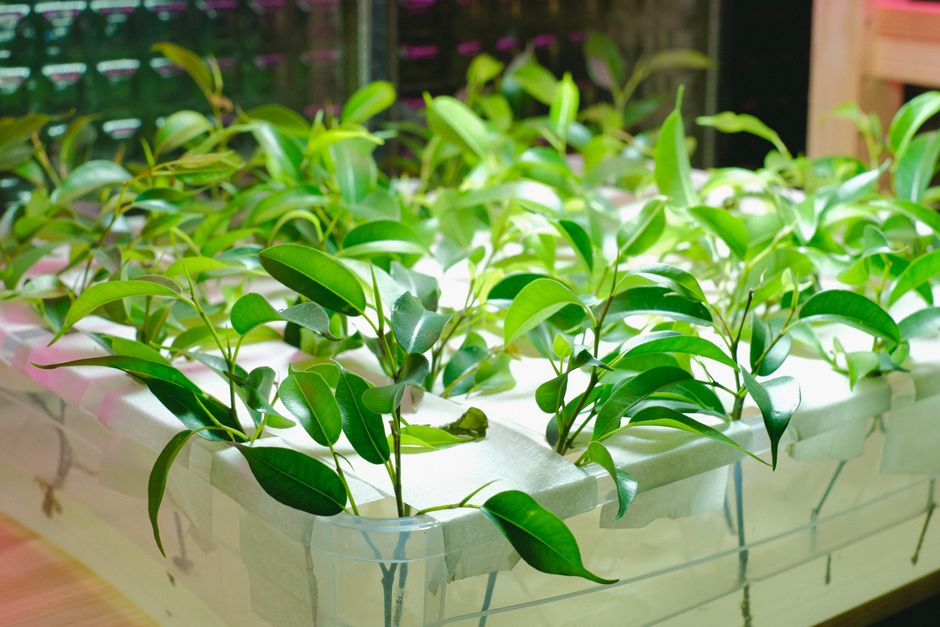
Best Small Hydroponic System for Beginners
Dreaming of fresh herbs and greens but think you don't have enough space? Think again! Choosing the best small hydroponic system for your home makes indoor gardening accessible, even for beginners in apartments, tiny homes, or those with just a desk or windowsill to spare. These compact setups allow you to grow plants without soil, using nutrient-rich water, offering a clean and efficient way to enjoy homegrown produce year-round. They are perfect for maximizing limited space and getting started with hydroponics.
Why Choose a Small Hydroponic System?
Small hydroponic systems are an excellent choice for home growers because they offer convenience, efficiency, and a low barrier to entry. They let you enjoy fresh, homegrown produce regardless of outdoor weather or garden space limitations.
These systems are ideal for urban dwellers, apartment residents, or anyone looking to add a touch of green to their kitchen counter or desk. They use less water than traditional gardening, grow plants faster, and keep your space clean without the mess of soil. Plus, watching your plants thrive indoors can be a truly rewarding experience.
What Types of Small Hydroponic Systems Are There?
Several types of small hydroponic systems are well-suited for beginners, each with its own advantages for compact spaces. The most common and easiest to start with are wick systems, Kratky method setups, and small Deep Water Culture (DWC) systems.
Wick Systems: Simple and Passive
Wick systems are among the simplest hydroponic setups, making them perfect for absolute beginners. They use a wick, often made of felt or nylon, to draw nutrient solution from a reservoir up to the plant's roots in a growing medium like coco coir or perlite.
These systems are entirely passive, meaning they don't require pumps or electricity, which makes them very quiet and easy to maintain. They are great for small herbs and leafy greens, fitting neatly onto a windowsill or shelf without much fuss.
Kratky Method: The Easiest Hydroponics
The Kratky method is another fantastic passive system that's incredibly simple to set up and requires almost no maintenance after the initial planting. In a Kratky system, plant roots hang directly into a reservoir of nutrient solution, which slowly depletes as the plant grows.
As the water level drops, an air gap forms, allowing the roots to access oxygen without needing an air pump. This method is perfect for single plants or small batches of leafy greens and herbs, often using simple containers like mason jars or small plastic bins. You can learn more about different system types in our Kratky vs Deep Water Culture guide.
Small Deep Water Culture (DWC): Active and Efficient
Small DWC systems involve suspending plant roots in a net pot directly into a reservoir of nutrient-rich water. Unlike passive systems, DWC typically uses an air pump and air stone to continuously oxygenate the water, which encourages faster growth and stronger root development.
While they require a power outlet for the air pump, small DWC systems are still compact and very effective for growing a variety of plants, from lettuce to peppers. They offer a good balance of simplicity and performance for home growers ready for a small step up in setup. For more detailed instructions on building one, check out our guide on how to build a DWC Hydroponic system.
What Features Should I Look For in a Beginner Hydroponic System?
When choosing a beginner hydroponic system, look for features that prioritize ease of use, compact size, and affordability. A good system will simplify the growing process and fit well into your home.
- Size and Footprint: Measure your available space. Look for systems designed for countertops, desks, or shelves.
- Ease of Setup: Beginners benefit from systems that are quick to assemble and come with clear instructions.
- Built-in Grow Lights: Many beginner-friendly systems include integrated LED grow lights. This is a huge plus if you don't have enough natural light. If your system doesn't have one, you'll need to source your own and set its schedule.
- Reservoir Capacity: A larger reservoir means less frequent refilling, but it also takes up more space. Balance convenience with your available area.
- Nutrient Solution Management: Look for systems that make it easy to add nutrients and check water levels. Some advanced systems have automatic dosing, but for beginners, simple manual addition is usually fine.
- Price: Starter kits are generally budget-friendly, often ranging from simple containers to complete automated units.
Also, consider the types of plants you want to grow. Smaller systems are usually best for leafy greens, herbs, and microgreens. Always keep electrical components, like pumps and timers, away from water splashes. A simple drip tray or careful placement can prevent accidents.
How Much Do Small Hydroponic Systems Cost?
The cost of small hydroponic systems for beginners can vary widely, typically ranging from very inexpensive DIY options to more comprehensive, ready-to-use kits. You can start growing hydroponically on almost any budget.
Simple passive systems like a DIY Kratky setup might cost you just a few dollars for containers and nutrients. Entry-level wick systems or small DWC kits often fall in the $30-$100 range. All-in-one smart garden systems with integrated grow lights and automatic features can cost $100-$300 or more. Remember to factor in the cost of nutrients, growing media, and seeds when planning your budget.
What Are the Easiest Plants to Grow in a Small Hydroponic System?
For beginners using a small hydroponic system, choosing easy-to-grow plants is key to a successful first experience. Leafy greens and common herbs are usually the best places to start because they have relatively simple needs.
Good choices include:
- Lettuce: Varieties like Romaine, Butterhead, and Loose Leaf grow quickly and are very forgiving.
- Spinach: Another fast grower that thrives in hydroponic environments.
- Kale: Hearty and productive, kale does well in small systems.
- Basil: A fragrant herb that's a classic for indoor growing, offering continuous harvests.
- Mint: Grows vigorously and is easy to propagate, providing plenty of fresh leaves.
- Chives: Simple to grow from seed or bulb and provides a steady supply of mild onion flavor.
These plants don't require complex nutrient schedules or specialized lighting, making them perfect for getting comfortable with your new system. Once you get the hang of it, you can explore other options. Remember to check your water quality; our guide Is Tap Water Safe for Hydroponics? can help you understand more about this critical aspect.
Final Thoughts
Choosing the best small hydroponic system for your home doesn't have to be complicated. By considering your space, budget, and desired level of involvement, you can find a perfect fit to start your indoor gardening journey. With a little setup and care, you'll be enjoying fresh, homegrown produce in no time. Explore more of our MicroVeg guides to continue expanding your indoor growing expertise!
Frequently Asked Questions
Can I really grow plants hydroponically in a tiny apartment?
Yes, absolutely! Many small hydroponic systems are designed for compact spaces like apartment countertops, desks, or shelves, making fresh produce accessible to urban dwellers.
Do small hydroponic systems need special electricity?
Passive systems like the Kratky method or wick systems require no electricity. Active systems, such as Deep Water Culture, need a standard electrical outlet for an air pump and any integrated grow lights.
How often do I need to add water and nutrients to a small system?
This depends on the system type and plant size. Passive systems generally need refilling every 1-3 weeks. Active systems might need topping off with water every few days and a full nutrient change every 1-2 weeks.
Are small hydroponic systems expensive to run?
The running costs are typically low, mainly for electricity (if using active systems or grow lights), nutrient solution, and seeds. Passive systems have almost no running costs beyond supplies.
Explore More DIY Setups Guides
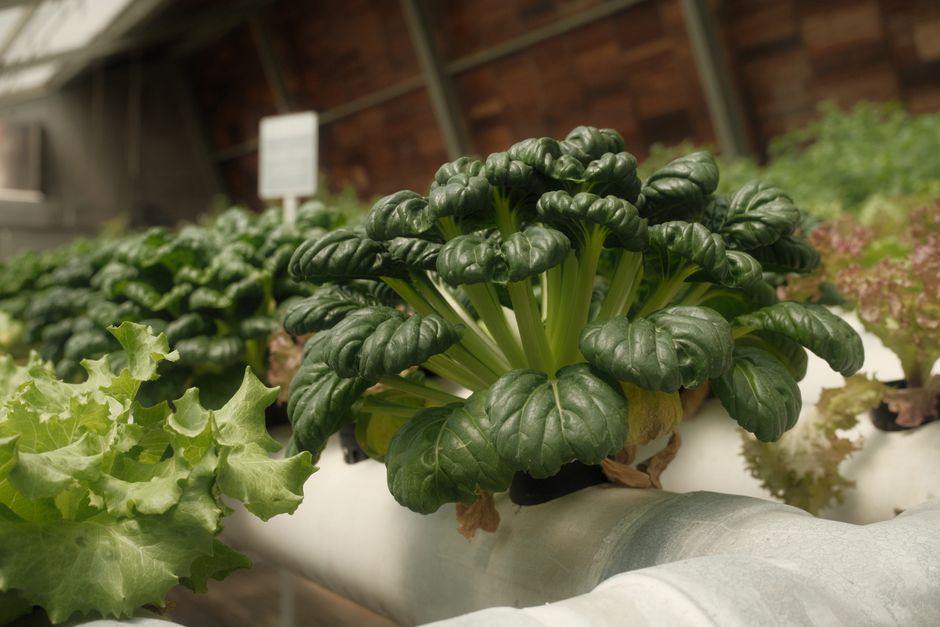 DIY Setups
Build a Vertical Hydroponic System: Grow More in Less Space
Maximize your growing potential in tiny spaces by building your own vertical hydroponic system with our simple, budget-friendly guide.
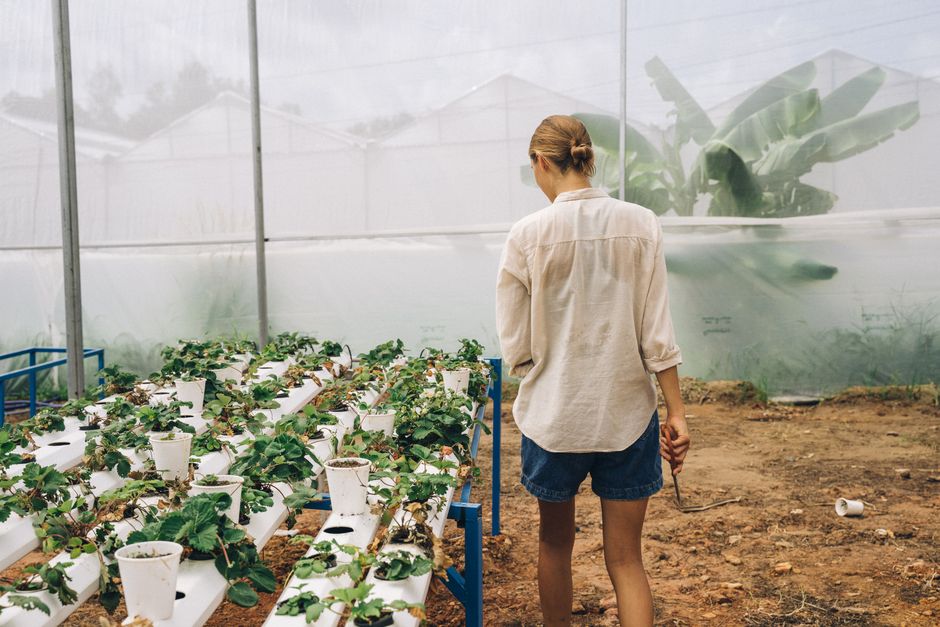 DIY Setups
Build a Simple Kratky Hydroponic System for Easy Growing
Discover how to build your very own Kratky hydroponic system, a simple, passive method perfect for beginners and small spaces.
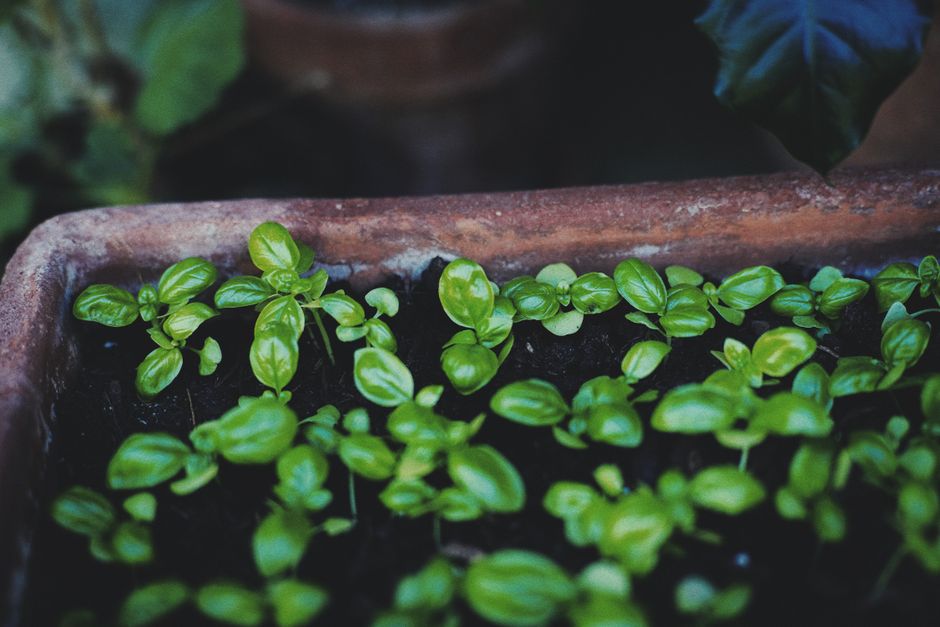 DIY Setups
Start Your Kitchen Countertop Garden Today
Transform your kitchen into a productive oasis by starting your own thriving countertop garden, perfect for fresh herbs and veggies.