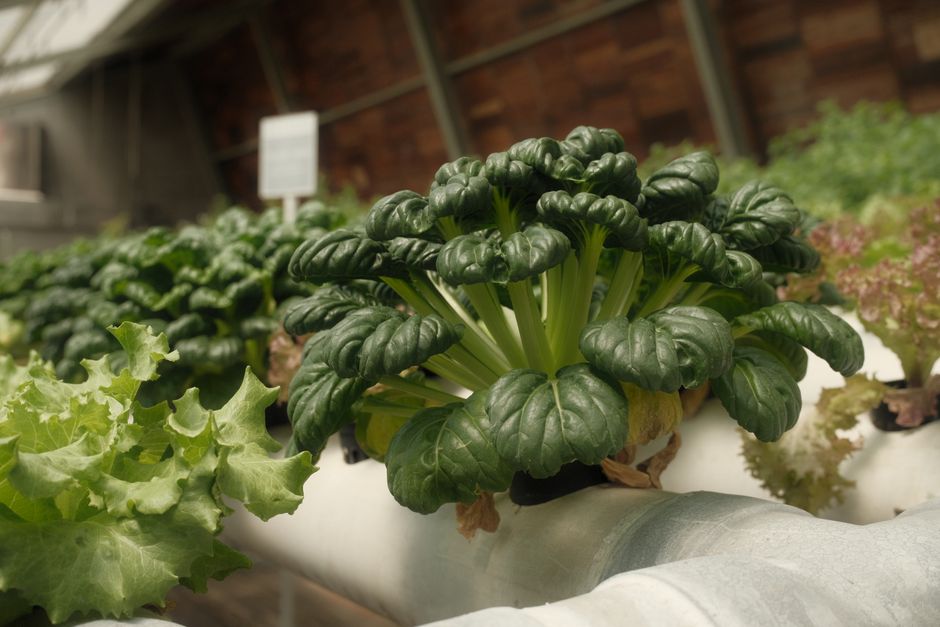
Build a DWC Hydroponic System for Home Growers
Are you ready to dive into the world of hydroponics with a straightforward, effective system? Building a DWC hydroponic system, or Deep Water Culture system, is an excellent way for home growers to get started with soilless gardening. A DWC system is a simple method where plant roots are suspended directly in a nutrient-rich water solution, with an air pump and air stone providing oxygen to prevent root rot. This setup allows plants to grow quickly and efficiently, often resulting in impressive yields right in your own home.
What is a Deep Water Culture (DWC) Hydroponic System?
A Deep Water Culture (DWC) hydroponic system is a method where plant roots are submerged in a nutrient solution, receiving oxygen from an air pump and air stone. This constant contact with oxygenated, nutrient-rich water allows plants to absorb everything they need for rapid growth directly, without the need for soil.
In a DWC system, plants are typically held in net pots, which are then suspended from a lid over a reservoir. The roots grow down into the water. An air stone, connected to an air pump, sits at the bottom of the reservoir, bubbling air through the solution. These bubbles ensure the roots receive plenty of oxygen, which is crucial for nutrient uptake and preventing root diseases.
This system is known for its simplicity and effectiveness, especially for leafy greens and fast-growing plants. It requires minimal moving parts, making it a favorite for beginners and those looking for a low-maintenance hydroponic option.
Why Choose a DWC System for Your Indoor Garden?
A DWC system is an excellent choice for indoor gardeners due to its simplicity, rapid plant growth, and efficiency. It is one of the easiest hydroponic systems to set up and maintain, making it perfect for those new to soilless growing.
Plants in DWC systems often grow faster than in soil because their roots have constant access to oxygen, water, and nutrients. This direct access means less energy is spent searching for resources, allowing plants to focus on leaf and fruit production. Additionally, DWC systems use less water than traditional soil gardening, as water is recirculated and evaporation is minimized. This makes it an environmentally friendly and resource-efficient option for growing fresh produce indoors.
The straightforward design also means fewer potential points of failure compared to more complex hydroponic setups. You can easily monitor water levels and nutrient concentrations, making adjustments as needed to keep your plants happy and healthy.
What Supplies Do You Need to Build a DWC System?
To build a basic DWC hydroponic system, you will need a few key components that are readily available online or at most hardware stores. Gathering these items before you start will make the building process smooth and quick.
Essential DWC System Components
- **Opaque Reservoir:** A dark-colored container (5-gallon buckets are popular) to hold your nutrient solution. Opaque material prevents light from reaching the water, which helps deter algae growth.
- **Lid for Reservoir:** A lid that fits securely over your reservoir. This will support your plants and keep light out.
- **Net Pots:** Small plastic mesh pots (usually 2-4 inches) that hold your plants and growing medium.
- **Growing Medium:** An inert medium like rockwool, hydroton (clay pebbles), or coco coir to support your plant in the net pot.
- **Air Pump:** An aquarium air pump to supply oxygen to the water.
- **Air Stone:** A porous stone connected to the air pump, which creates fine bubbles in the nutrient solution.
- **Air Tubing:** Flexible tubing to connect the air pump to the air stone.
- **Hydroponic Nutrients:** A specially formulated liquid nutrient solution for hydroponic growing. Follow the dosage instructions on your chosen nutrient product.
- **pH Testing Kit or Meter:** To measure and adjust the pH of your nutrient solution.
- **Drill with Hole Saw Bit:** To cut holes in the reservoir lid for the net pots and air tubing.
Remember that when working with electrical equipment like air pumps near water, always ensure cords are secure and outlets are protected from splashes. Safety first in your indoor garden!
How to Build Your DWC Hydroponic System: Step-by-Step
Building your DWC system is a simple process that can be completed in an afternoon. Follow these steps to set up your indoor hydroponic garden.
Step 1: Prepare Your Reservoir and Lid
Start by cleaning your opaque reservoir thoroughly. Then, decide where your net pots will sit on the lid. Mark these spots and use a hole saw bit that matches the diameter of the top rim of your net pots to drill holes in the lid. Drill one small hole for your air tubing to pass through as well. Make sure your net pots sit snugly in their holes, with the bottom of the pot extending a few inches below the lid.
Step 2: Set Up the Air Pump and Air Stone
Attach the air tubing to your air pump. Thread the other end of the tubing through the small hole in your reservoir lid and attach it securely to the air stone. Place the air stone at the bottom of the empty reservoir. The air pump should sit outside the reservoir, on a dry surface.
Step 3: Prepare Your Nutrient Solution
Fill your reservoir with water, leaving an inch or two of space between the water level and the bottom of your net pots. This gap is important for young plants, allowing them to stretch their roots for water while still getting oxygen from the air. Add your hydroponic nutrients according to the manufacturer's instructions. It is crucial to use nutrients specifically designed for hydroponics. Turn on your air pump to start aerating the solution. Then, use your pH testing kit to measure the pH and adjust it to the ideal range for your plants, typically between 5.5 and 6.5. You can learn more about how to adjust pH in hydroponics in our dedicated guide.
Step 4: Plant Your Seedlings
Gently place your sprouted seedlings (often started in rockwool cubes) into the net pots. Fill any remaining space in the net pots with your chosen growing medium, such as hydroton clay pebbles, to support the plant. Ensure the base of your seedling is just above the growing medium. Place the net pots into the holes in the reservoir lid.
Maintaining Your DWC System for Best Results
Once your DWC system is built, ongoing maintenance is key to healthy plants and bountiful harvests. Regularly checking your system will help prevent common issues and ensure optimal growth.
Monitor your water level daily. As plants grow, they will absorb a lot of water. Top off the reservoir with fresh, pH-balanced water as needed. Every one to two weeks, you should completely change the nutrient solution in your reservoir. This prevents nutrient imbalances and the buildup of unwanted elements. When changing the solution, it's a good practice to clean the reservoir to prevent algae and bacterial growth. You can find detailed steps on how to clean your hydroponic reservoir on MicroVeg.
Also, regularly check the pH of your nutrient solution and adjust it as necessary. Plants absorb nutrients best within a specific pH range. Pay attention to your plants' leaves for any signs of nutrient deficiency or excess, which might indicate a need to rebalance your solution. Keeping the water temperature stable, ideally between 65-72°F (18-22°C), is also beneficial for root health and nutrient absorption. Consult our guide on ideal hydroponic water temperature for more details.
Final Thoughts
Building a DWC hydroponic system is a rewarding and relatively simple project that offers a great introduction to soilless gardening. With just a few components and some basic care, you can enjoy fresh, fast-growing produce right from your home. This DIY approach empowers you to understand your garden from the ground up. Keep exploring our MicroVeg guides for more tips and tricks to enhance your indoor growing journey.
Frequently Asked Questions
What plants are suitable for a DWC system?
DWC systems are excellent for leafy greens like lettuce, spinach, and kale, as well as herbs such as basil and mint. Fruiting plants like tomatoes and peppers can also be grown, though they may require larger systems.
Can I use tap water in my DWC system?
Yes, you can use tap water, but it's important to let it sit for 24 hours to allow chlorine to dissipate. Always test the pH of your tap water before adding nutrients to ensure it's within an acceptable range.
How often should I monitor my DWC system's water level?
You should check your DWC system's water level daily. Plants can quickly absorb a lot of water, especially as they grow larger, so regular topping off is essential to prevent roots from drying out.
What is the ideal pH range for most plants in DWC?
For most plants grown in a DWC system, the ideal pH range for the nutrient solution is between 5.5 and 6.5. This range ensures optimal nutrient availability and uptake for healthy plant growth.
Explore More DIY Setups Guides
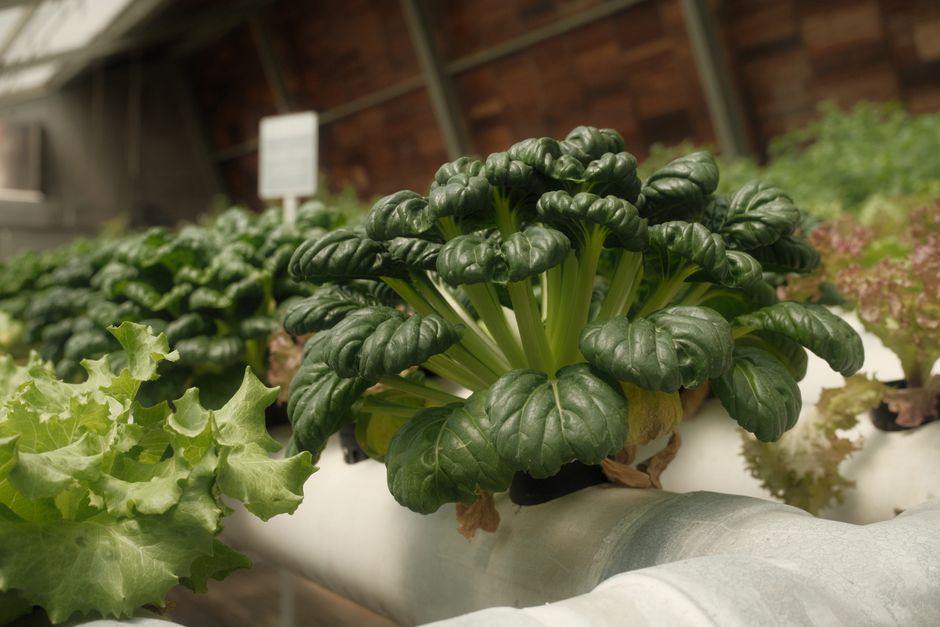 DIY Setups
Build a Vertical Hydroponic System: Grow More in Less Space
Maximize your growing potential in tiny spaces by building your own vertical hydroponic system with our simple, budget-friendly guide.
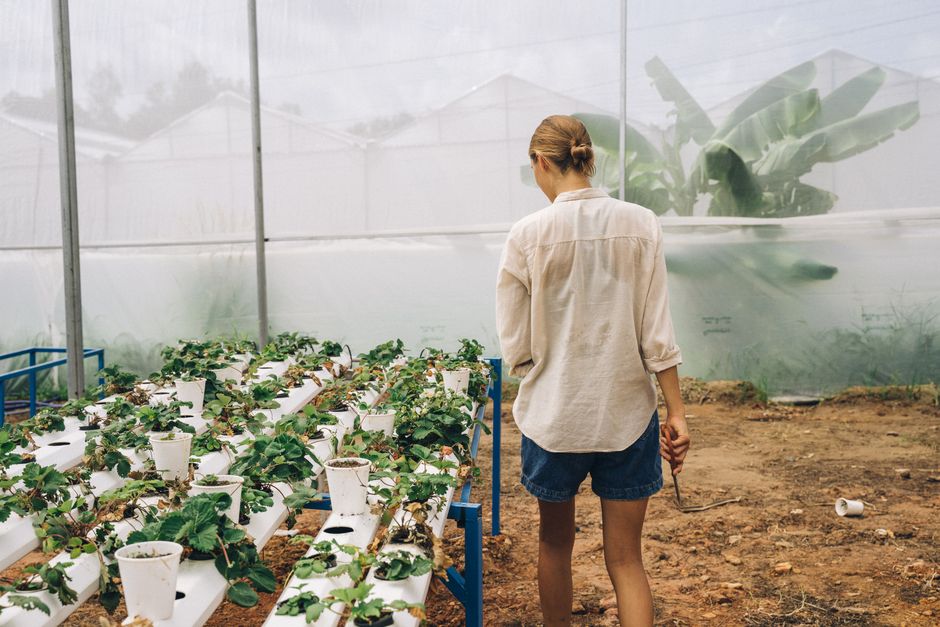 DIY Setups
Build a Simple Kratky Hydroponic System for Easy Growing
Discover how to build your very own Kratky hydroponic system, a simple, passive method perfect for beginners and small spaces.
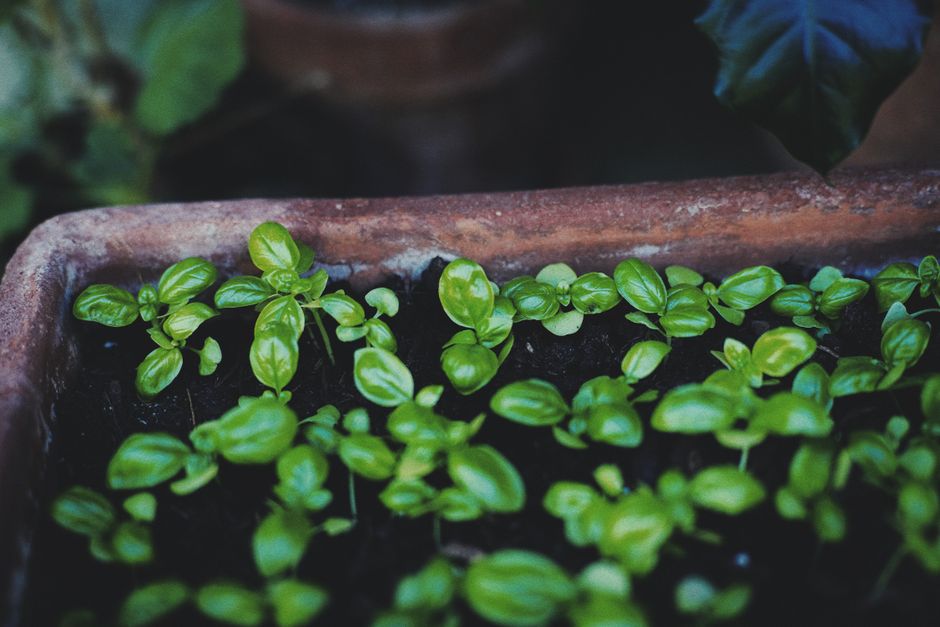 DIY Setups
Start Your Kitchen Countertop Garden Today
Transform your kitchen into a productive oasis by starting your own thriving countertop garden, perfect for fresh herbs and veggies.