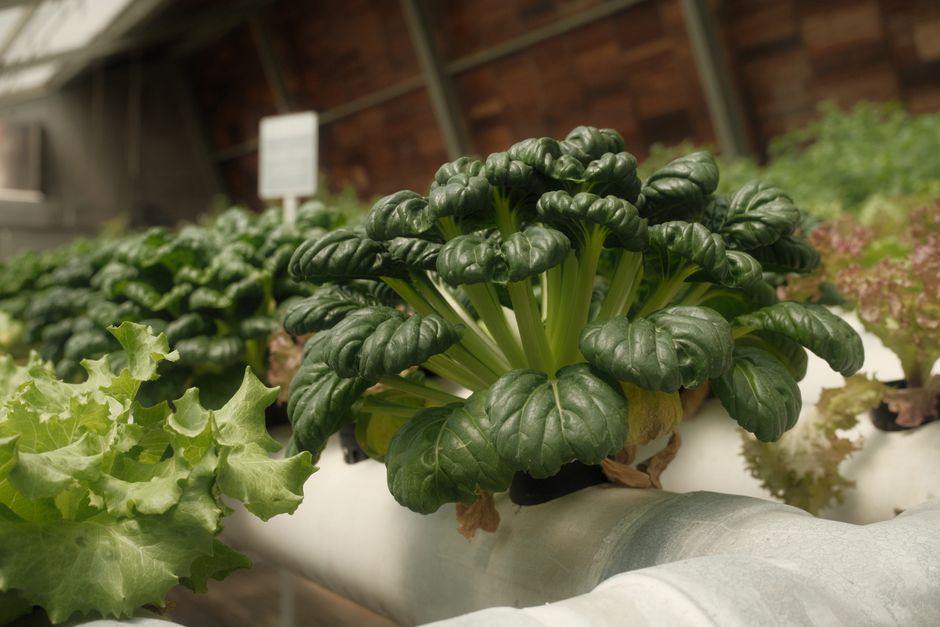
Build a Vertical Hydroponic System: Grow More in Less Space
Dreaming of a bountiful garden but stuck with limited space? A vertical hydroponic system could be your perfect solution. This innovative growing method allows you to stack plants vertically, making the most of every inch in your apartment, kitchen, or even a small balcony. It is an excellent way for home growers to increase their harvest without needing a large footprint.
Vertical hydroponics involves growing plants in a soilless system where nutrient-rich water is delivered directly to their roots. By arranging plants in vertical tiers, you can significantly boost your yield in a compact area, turning unused vertical space into a thriving garden. Best of all, you can build a vertical hydroponic system yourself with common, affordable materials.
Why Choose a Vertical Hydroponic System for Small Spaces?
Choosing a vertical hydroponic system is a smart move for home growers because it dramatically maximizes your growing area. This method allows you to grow significantly more plants in the same floor space compared to traditional horizontal gardening.
The primary benefit is space efficiency. Whether you live in an apartment, have a small patio, or just want to utilize a corner of your kitchen, vertical systems stack upwards, using vertical air space that would otherwise go unused. This means fresh herbs and vegetables are always within reach, even in the smallest homes.
Beyond space saving, vertical hydroponics offers other advantages. These systems use less water than traditional soil gardens because water is recirculated, minimizing waste. Plants often grow faster in hydroponic setups due to direct access to nutrients and oxygen, leading to quicker harvests.
You also avoid the mess of soil indoors, which is a big plus for apartment dwellers. Pests can be easier to manage in a contained, soilless environment too. The controlled conditions of hydroponics can result in healthier plants and more consistent yields.
What Materials Do You Need to Build a Simple Vertical Hydroponic System?
To build a simple vertical hydroponic system, you'll need a few basic and often affordable items. The key is to gather materials that can be easily repurposed or purchased at a local hardware store.
You'll need a reservoir, such as a sturdy plastic bucket or tote, to hold your nutrient solution. For the vertical structure, PVC pipes, plastic gutters, or even stacked food-grade containers can work well. You will also need net pots, which are small mesh cups that hold your plants. Growing media like rockwool, coco coir, or hydroton clay pebbles will support your plant's roots within the net pots.
An air pump and air stone are essential for oxygenating the nutrient solution in your reservoir, which keeps roots healthy. A small submersible water pump with tubing will circulate the nutrient solution to your plants. Of course, you’ll need hydroponic nutrients formulated for plant growth, and your chosen seeds or seedlings to get started.
Choosing Your Vertical Structure
When selecting materials for your vertical structure, consider what's readily available and easy to work with. PVC pipes are a popular choice because they are durable, easy to cut, and can be drilled to create planting holes. You can arrange several pipes vertically or create a single tower with staggered holes.
Another simple option is stacking plastic containers like five-gallon buckets or storage totes. By cutting holes in the lids or sides, you can create multiple planting spots that cascade down. For a more linear setup, plastic rain gutters can be hung vertically in tiers, offering shallow but wide planting areas. The best choice depends on your space and the plants you plan to grow.
How Do You Assemble Your DIY Vertical Hydroponic Garden?
Assembling your DIY vertical hydroponic garden involves a few straightforward steps. The goal is to create a structure that efficiently delivers nutrient solution to each plant.
First, prepare your vertical structure. If using PVC pipes, cut them to your desired height and drill holes large enough for your net pots to sit snugly. Space the holes to allow adequate room for plant growth, staggering them around the pipe for optimal light exposure. If using stacked containers, cut holes in the lids or sides of the upper containers so they drain into the ones below.
Next, set up your reservoir at the base of your system. This is where your nutrient solution will be stored. Place your air pump and air stone inside the reservoir to keep the water oxygenated. Then, install your submersible water pump in the reservoir and connect it to tubing that runs to the top of your vertical structure. The tubing will deliver the nutrient solution to the highest plants, allowing it to flow down to the lower ones, either through gravity or a series of small drip lines.
Once the structure and plumbing are in place, mix your hydroponic nutrients according to the manufacturer’s instructions. Do not guess the amounts, always follow the dosage on your nutrient bottle. Fill your reservoir with the prepared solution. Before planting, test the system by running the pump to ensure water flows correctly and all planting sites receive water. Make sure to keep electrical timers and pumps away from water spills to prevent hazards. Once everything is working, place your growing medium and seedlings into the net pots, and then insert the net pots into the prepared holes in your vertical structure. For help getting your plants started, check out our guide on how to start your kitchen countertop garden today.
What Are the Best Plants for Your Vertical Hydroponic Setup?
The best plants for your vertical hydroponic setup are generally lightweight, leafy greens and herbs. These plants thrive in the close quarters and consistent nutrient delivery of a vertical system.
Excellent choices include various types of lettuce, spinach, kale, and other loose-leaf greens. Herbs like basil, mint, chives, cilantro, and parsley also do exceptionally well. These plants have shallow root systems and do not require heavy support, making them ideal for vertical growing. For more ideas on what to grow, explore our guide on what to grow in hydroponics for beginners.
It's generally best to avoid large, heavy fruiting plants like tomatoes, cucumbers, or squash in simple DIY vertical systems, as they often require more space, stronger support, and different nutrient profiles. Stick to plants that mature quickly and have a compact growth habit for the most success with your vertical garden.
Caring for Your Vertical Hydroponic System
Caring for your vertical hydroponic system involves regular observation and maintenance to ensure your plants thrive. Consistent care is key to a productive indoor garden.
You should check your water level daily and top it off as needed with plain water, especially in the early stages. Every one to two weeks, it's important to completely drain and refresh your nutrient solution. This prevents nutrient imbalances and the buildup of unwanted salts. Always follow the specific instructions on your nutrient product for mixing.
Monitoring the pH of your nutrient solution is also crucial. Most plants prefer a pH between 5.5 and 6.5. Use a pH testing kit and adjust as necessary with pH up or pH down solutions. Regularly inspect your plants for signs of pests or diseases, catching any issues early on. Ensure your plants are receiving adequate light, whether from a sunny window or a dedicated grow light. Wipe down the system periodically to prevent algae growth.
Final Thoughts
Building a vertical hydroponic system is a rewarding project for any home grower, especially those with limited space. It offers a practical and efficient way to enjoy fresh, homegrown produce year-round, turning small corners into productive gardens. With a little effort, you can enjoy the benefits of this innovative growing method and watch your vertical garden flourish. Ready to explore more ways to grow? Check out our other MicroVeg guides for additional tips and inspiration.
Frequently Asked Questions
How much space does a vertical hydroponic system save?
A vertical hydroponic system can save up to 90% of the space compared to traditional horizontal gardening, making it ideal for small apartments or balconies.
Can I grow vegetables other than leafy greens in a vertical setup?
While leafy greens and herbs are best, you can grow smaller, non-vining vegetables like strawberries, radishes, or dwarf peppers in some vertical systems, but they may require more specialized care.
How often do I need to change the nutrient solution?
You should completely change your vertical hydroponic system's nutrient solution every one to two weeks to prevent imbalances and ensure fresh nutrients for your plants.
Do vertical hydroponic systems need special grow lights?
If your vertical hydroponic system is not near a window with abundant natural light, you will likely need supplemental LED grow lights to ensure your plants receive enough light for healthy growth.
Explore More DIY Setups Guides
 DIY Setups
Build a Simple Kratky Hydroponic System for Easy Growing
Discover how to build your very own Kratky hydroponic system, a simple, passive method perfect for beginners and small spaces.
 DIY Setups
Start Your Kitchen Countertop Garden Today
Transform your kitchen into a productive oasis by starting your own thriving countertop garden, perfect for fresh herbs and veggies.
 DIY Setups
Best Small Hydroponic System for Beginners
Learn how to choose the perfect small hydroponic system for your home, even if you're a complete beginner with limited space.