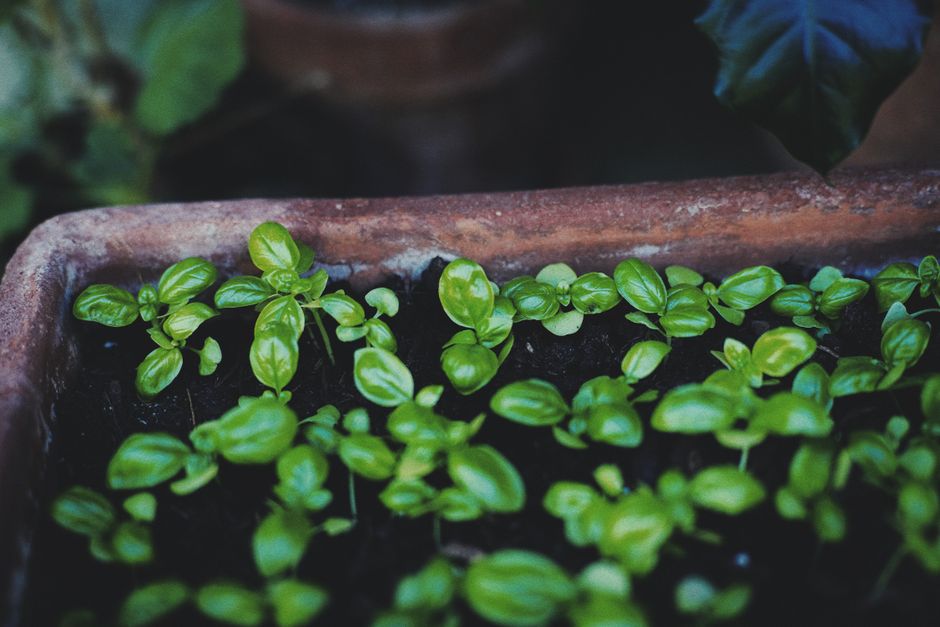
Start Your Kitchen Countertop Garden Today
Imagine plucking fresh basil for dinner or snipping vibrant microgreens for your salad, all without leaving your kitchen. A kitchen countertop garden makes this dream a reality. It brings fresh produce right into your home, letting you grow herbs, microgreens, and small vegetables directly on your kitchen counter. This guide will walk you through setting up and maintaining your very own indoor garden, proving that delicious, homegrown food is always within reach, no matter how small your space.
What Can You Grow in a Kitchen Countertop Garden?
Many small, fast-growing plants thrive in a kitchen countertop garden, offering continuous harvests of fresh ingredients. The key is to choose varieties that do not need deep roots or expansive space to grow well. This makes them ideal for the compact environment of a countertop.
Herbs are usually the most popular choice. Think about basil, mint, cilantro, chives, oregano, and thyme. These plants love consistent care and often provide multiple harvests. Microgreens are also an excellent option. Radish, broccoli, kale, and various salad mixes sprout quickly and are ready to eat in just a week or two. For more ideas on what plants love indoor growing conditions, check out our guide on What to Grow in Hydroponics for Beginners.
Beyond herbs and microgreens, you can try growing small leafy greens like lettuce varieties. Butterhead, romaine, and loose-leaf types adapt well to indoor conditions. Even dwarf tomato plants or small chili peppers can work if you have enough light and space for them to mature. Just be mindful of their size and ensure they will not outgrow your designated area too quickly.
How Do You Set Up a Simple Kitchen Countertop Garden?
Setting up a simple kitchen countertop garden is easier than you might think, making fresh, homegrown produce accessible even for beginners. The process involves choosing the right spot, deciding on a growing method, and selecting your containers.
First, find a good location on your kitchen counter. This spot should be stable, accessible, and ideally near an electrical outlet if you plan to use grow lights. Consider how much natural light it receives throughout the day. While some plants might do well with just a sunny window, most will appreciate supplemental lighting, especially during shorter winter days.
Choosing Your Growing Method
You have two main paths for your countertop garden: soil-based or hydroponic. Each has its advantages.
-
Soil-Based: This is the most traditional method. You will need small pots with drainage holes, a good quality potting mix, and saucers to catch excess water. Soil growing is forgiving and familiar to many home growers. It is a great way to start if you are new to indoor gardening.
-
Hydroponic: Growing without soil can be incredibly efficient for small spaces. Simple hydroponic systems like Kratky setups or small Deep Water Culture (DWC) systems fit perfectly on a counter. These systems use nutrient-rich water to feed your plants directly, often leading to faster growth and cleaner harvests. If you are curious about different systems, our guide on the Best Small Hydroponic System for Beginners can help.
Once you have chosen your method, ensure your chosen spot can accommodate your setup without getting in the way of daily kitchen activities. A dedicated corner or a section of an island can work perfectly.
What Equipment Do You Need for a Countertop Garden?
You likely have some items already, making a kitchen countertop garden an accessible project. The specific equipment you need depends on whether you choose a soil or hydroponic method, but some basics are universal.
For any countertop garden, you will need containers. These could be small terracotta pots, plastic nursery pots, or even repurposed food containers with drainage holes poked in them. If you go the hydroponic route, specific hydroponic containers or jars will be necessary. Next, you will need a growing medium. For soil, a good organic potting mix works best. For hydroponics, rockwool, coco coir, or clay pebbles are common choices. Remember to wash microgreens thoroughly before eating them.
Lighting is crucial for most indoor plants. While a sunny window might suffice for some herbs, a small LED grow light will provide consistent, optimal light for almost anything you want to grow. Look for compact, full-spectrum LED lights designed for small spaces. These are energy-efficient and produce little heat, making them perfect for a countertop. You might also want a timer to automate your light schedule.
If you are doing hydroponics, you will need hydroponic nutrients. These come in liquid or powder form and are specifically formulated to provide all the essential elements your plants need. Always follow the dosage instructions on your nutrient bottle. A pH testing kit (strips or a digital pen) is also helpful to ensure your nutrient solution is at the right acidity level for your plants.
Here is a quick list of essential gear:
- Containers (pots or hydroponic bins)
- Growing medium (potting mix or hydroponic substrate)
- Seeds or seedlings
- Small LED grow light (optional but recommended)
- Timer for lights (optional)
- Watering can or spray bottle
- Hydroponic nutrients (if growing hydroponically)
- pH testing kit (if growing hydroponically)
Always keep electrical components like timers and pumps away from water spills to prevent accidents. Safety should be a top priority in any indoor growing setup.
How Do You Care for Your Countertop Plants?
Consistent care ensures your kitchen countertop garden thrives, providing you with a steady supply of fresh produce. Plant care involves watering, feeding, proper lighting, and keeping an eye out for any issues.
Watering is perhaps the most important daily task for soil-based plants. Check the soil moisture regularly by poking your finger about an inch deep. If it feels dry, it is time to water. Water until you see a little drip from the drainage holes, then empty any standing water from the saucer. Overwatering is a common mistake that can lead to root problems. For hydroponic systems, you will need to monitor your water level and refresh the nutrient solution regularly, as instructed by your system or nutrient manufacturer.
Feeding your plants is vital. For soil gardens, use a gentle liquid fertilizer every few weeks, especially if your potting mix does not contain slow-release nutrients. For hydroponic setups, your nutrient solution provides all the food your plants need. Make sure to maintain the correct pH levels, as this affects how well your plants can absorb nutrients.
Ensure your plants receive adequate light. Most plants in a kitchen countertop garden need 12-16 hours of light per day. If you are using a grow light, set a timer to keep this consistent. Rotate your plants occasionally if they are showing signs of leaning towards the light. Also, keep an eye out for pests like tiny gnats or aphids. Catching these early makes them much easier to manage. A gentle spray of insecticidal soap can often resolve minor infestations.
Final Thoughts
Starting a kitchen countertop garden is a rewarding way to bring fresh, healthy food into your daily life. With a little planning and consistent care, you can enjoy homegrown herbs, microgreens, and vegetables all year round. It is an ideal project for anyone with limited space who wants to connect more deeply with their food. Explore more MicroVeg guides to continue your indoor growing adventure!
Frequently Asked Questions
What kind of light does a kitchen countertop garden need?
Most kitchen countertop gardens benefit from a small LED grow light, providing 12-16 hours of consistent light daily, especially if natural light is limited.
Can I grow vegetables in a countertop garden?
Yes, you can grow small vegetables like leafy greens (lettuce), dwarf tomatoes, or small chili peppers, in addition to herbs and microgreens.
How often should I water my countertop plants?
For soil plants, check the soil moisture daily and water when the top inch feels dry. Hydroponic systems require regular monitoring and refreshing of the nutrient solution.
Is a kitchen countertop garden hard to maintain?
No, a kitchen countertop garden is relatively easy to maintain. Consistent watering, feeding, and proper lighting are the main tasks, making it suitable for beginners.
Explore More DIY Setups Guides
 DIY Setups
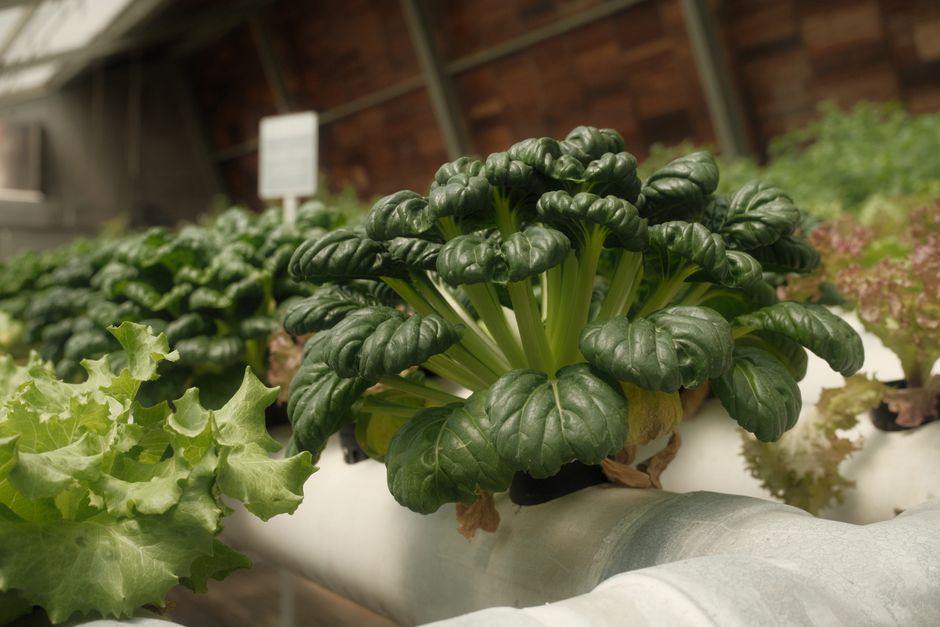
Build a Vertical Hydroponic System: Grow More in Less Space
Maximize your growing potential in tiny spaces by building your own vertical hydroponic system with our simple, budget-friendly guide.
 DIY Setups
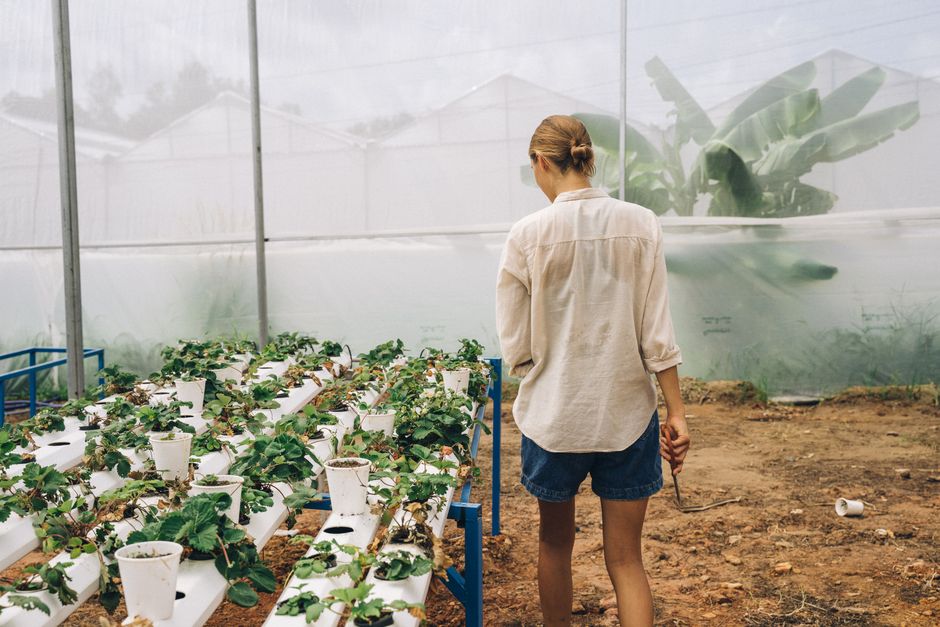
Build a Simple Kratky Hydroponic System for Easy Growing
Discover how to build your very own Kratky hydroponic system, a simple, passive method perfect for beginners and small spaces.
 DIY Setups
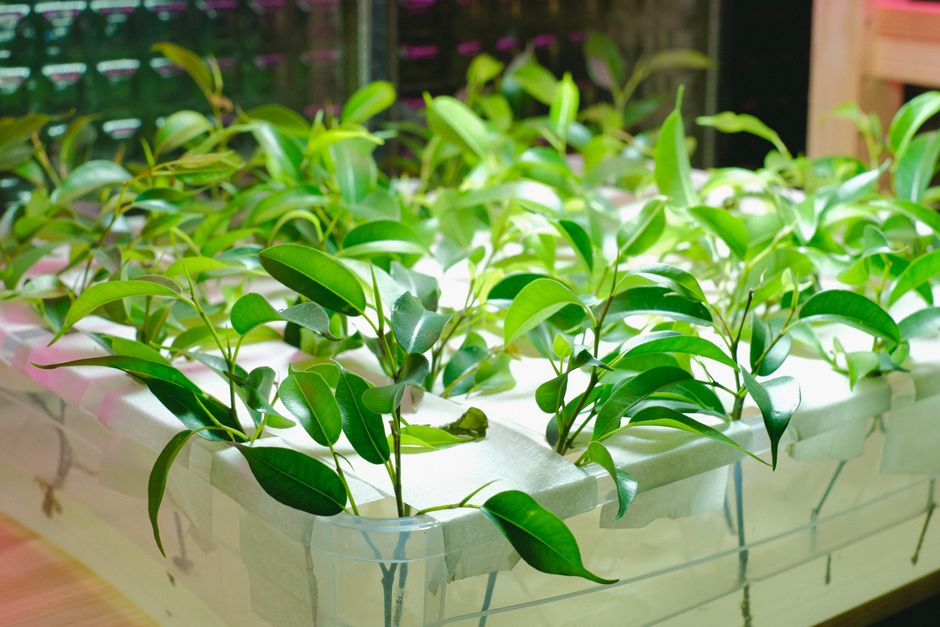
Best Small Hydroponic System for Beginners
Learn how to choose the perfect small hydroponic system for your home, even if you're a complete beginner with limited space.