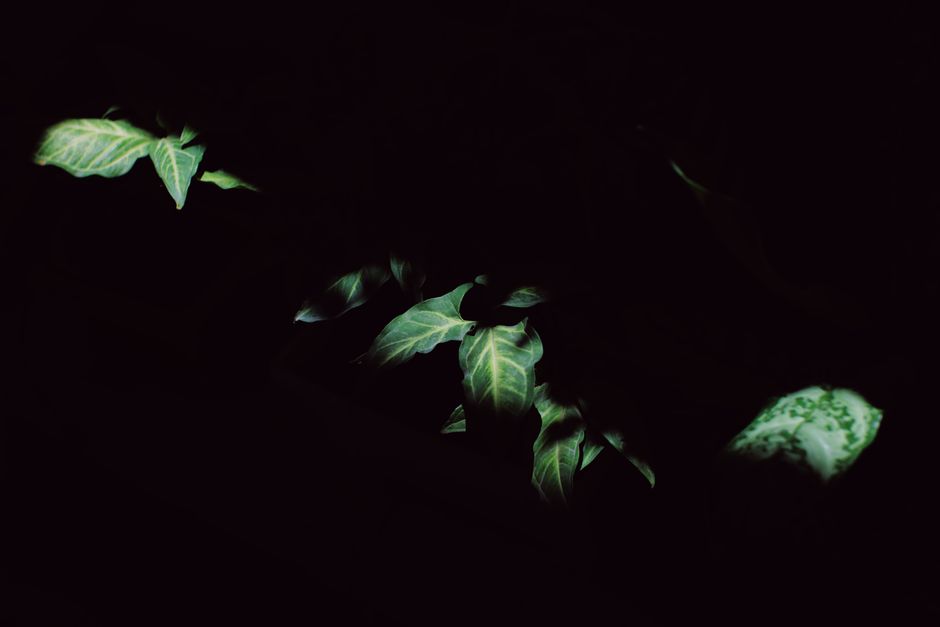
Boost Indoor Plant Growth in Low Light: MicroVeg Guide
Growing plants indoors in small spaces often means dealing with less-than-perfect lighting conditions. Maybe your apartment has only one small window, or your desk is tucked away from direct sun. Many home growers face this challenge. Learning how to boost indoor plant growth in low light is all about smart choices and simple adjustments. It means understanding your plant's needs and making the most of the light you have, or adding just a little extra help.
This guide will walk you through practical strategies to help your plants not just survive, but truly thrive, even when the sun isn't shining brightly on them. You do not need a fancy setup to give your plants the best chance.
What does "low light" really mean for indoor plants?
Low light for indoor plants generally means they receive limited direct sunlight, often relying on ambient light that is filtered or indirect. For most common houseplants, this translates to less than six hours of indirect light per day, or a spot where the light is dim enough that you struggle to read comfortably without an additional lamp.
It is important to remember that 'low light' does not mean 'no light.' All plants need some form of light to perform photosynthesis and produce energy. In an indoor setting, low light typically describes areas further away from windows, north-facing windows, or spaces with obstructions like buildings or curtains blocking the sun. Even a bright room can have low light corners.
Often, growers overestimate the light intensity in their homes. A spot that feels bright to us might still be too dim for a plant that naturally thrives in full sun. Think about the plant's native environment. A tropical plant that grows under a dense canopy in a jungle will tolerate lower light than a desert succulent, for instance. Understanding this difference helps you choose the right plant for the right spot.
How can I maximize natural light for my indoor plants?
You can maximize the natural light your indoor plants receive by strategically placing them, ensuring your windows are clean, and incorporating reflective surfaces into your growing area. These simple steps can make a big difference without needing any special equipment.
- Smart Plant Placement: Position your plants as close to the brightest window as possible, while still avoiding harsh, direct midday sun for those that prefer indirect light. Rotate your plants every week or two to ensure all sides get some exposure. This prevents your plant from growing unevenly or leaning towards the light source.
- Clean Windows: Dust and grime on your windows can block a surprising amount of light. Regularly cleaning your windows, especially those near your plants, allows more precious sunlight to enter your home. This is a free and effective way to boost light levels.
- Reflective Surfaces: Light-colored walls, shelves, and tabletops can bounce ambient light back onto your plants. Consider placing plants near white or light-painted walls. Even a small mirror placed strategically can reflect light into a dim corner, helping your plants get more light exposure.
Remember that even a small shift in placement can have a large impact on how much light your plant receives throughout the day. Observe the light patterns in your space at different times of the day and year to find the best spots.
What are some easy tricks to help plants thrive in low light?
Easy tricks to help plants thrive in low light include choosing species that are naturally tolerant of dim conditions and carefully adjusting your plant care routine to match their reduced energy needs. These steps ensure your plants are well-suited to their environment and not overstressed.
Choosing the Right Low-Light Plants
Selecting plants known for their tolerance to lower light conditions is one of the most effective strategies for success. Not every plant can handle a dim corner, so picking resilient varieties sets you up for success from the start.
Some excellent choices for low-light environments include:
- ZZ Plant (Zamioculcas zamiifolia): Extremely tolerant of neglect and low light.
- Snake Plant (Sansevieria trifasciata): Hardy and adaptable, thrives in various light conditions.
- Pothos (Epipremnum aureum): A vining plant that can handle low light, though growth will be slower.
- Peace Lily (Spathiphyllum): Known for its beautiful white blooms, it prefers indirect light.
- Cast Iron Plant (Aspidistra elatior): Lives up to its name, incredibly tough and low-light friendly.
These plants are popular for a reason. They are forgiving and often require less frequent watering and attention, making them perfect for busy home growers or those with challenging light conditions.
Adjusting Your Plant Care Routine
You need to adjust watering, fertilization, and even pot size for plants in low light, as they perform less photosynthesis and use fewer resources. Overwatering is especially dangerous in low-light conditions because the soil dries out much slower.
Here are key adjustments to make:
- Water Less Frequently: Plants in low light will use less water than those in bright light. Always check the soil moisture before watering. Stick your finger an inch or two into the soil. Water only when the topsoil feels dry to the touch. Overwatering can lead to root rot, even in soil.
- Reduce Fertilization: Since plants in low light grow more slowly, they require fewer nutrients. Fertilize sparingly, perhaps once every two to three months during the growing season, or even less. Always follow the dosage instructions on your nutrient bottle, and consider diluting it further.
- Ensure Good Airflow: Stagnant air can encourage mold and pest issues, especially in humid or low-light conditions. Ensure there is some air movement around your plants. This is often as simple as opening a window periodically or using a small fan on a low setting.
- Clean Leaves: Dust on leaves can block light absorption. Gently wipe down your plant's leaves with a damp cloth every few weeks to keep them clean and efficient at capturing light. Keep any electrical timers and pumps away from water spills to prevent accidents.
By tailoring your care to the environment, you give your low-light plants the best chance to flourish. These small changes can prevent common issues like yellowing leaves or stunted growth.
When should I consider supplemental lighting for low-light areas?
Consider supplemental lighting for low-light areas if your indoor plants consistently show signs of stress, poor growth, or leggy stems despite your best efforts to maximize natural light and adjust your care routine. This indicates they are simply not receiving enough light to thrive.
Signs that your plant might need more light include:
- Leggy Growth: Stems stretching out with sparse leaves, indicating the plant is reaching for a light source.
- Small, Pale Leaves: New leaves are smaller than older ones and lack vibrant color.
- Lack of Flowers: Flowering plants may fail to bloom or produce very few flowers.
- Slow or Stunted Growth: The plant shows very little new growth over an extended period.
- Dropping Lower Leaves: The plant is shedding older leaves to conserve energy.
For small spaces and budget-conscious growers, supplemental lighting does not have to be a major investment. Simple options like clip-on LED grow lights or small desktop grow lights can provide the extra boost your plants need. These lights are designed to emit the spectrum of light beneficial for plant growth, unlike regular household LEDs. You can learn more about choosing the right options in our Best Grow Lights for Small Spaces: Your Compact Guide.
Start with a low-wattage light and observe your plants' response. Often, just a few hours of supplemental light each day can make a significant difference in their health and vigor. Place the light close enough to the plants to be effective, but not so close that it causes heat stress.
Final Thoughts
Successfully helping your indoor plants boost their growth in low light conditions is entirely possible with a bit of knowledge and consistent care. By choosing the right plants, maximizing natural light, and adjusting your watering and feeding habits, you can create a thriving green space no matter how dim your home may seem. Experiment with these tips and watch your indoor garden flourish. For more practical tips on indoor gardening, explore other MicroVeg guides.
Frequently Asked Questions
What are the best plants for low light conditions?
Excellent low-light tolerant plants include the ZZ Plant, Snake Plant, Pothos, Peace Lily, and Cast Iron Plant, which are all forgiving and adaptable.
How often should I water plants in low light?
Water plants in low light less frequently than those in bright light. Always check the soil moisture and water only when the top inch or two feels dry.
Can low light cause plant diseases?
While low light doesn't directly cause diseases, it can weaken plants, making them more susceptible to pests and fungal issues like root rot due to consistently wet soil.
Do plants need fertilizer in low light?
Plants in low light grow slower and thus require less fertilizer. Fertilize sparingly, perhaps every 2-3 months during the growing season, using a diluted solution.
Explore More Plant Care Guides
 Plant Care
Pruning Chrysanthemums for Longer Indoor Blooms
Discover effective pruning techniques for chrysanthemums to ensure more vibrant and continuous blooms in your indoor garden.
 Plant Care
How to Grow Spinach Indoors: Fresh Leaves Year-Round
Learn how to grow fresh spinach indoors all year long, perfect for small spaces and a continuous harvest.
 Plant Care
Indoor Chrysanthemum Care: Avoid This Common Mistake
Bringing chrysanthemums indoors for fall decor is popular, but many home growers make a key mistake that causes these vibrant plants to quickly decline.