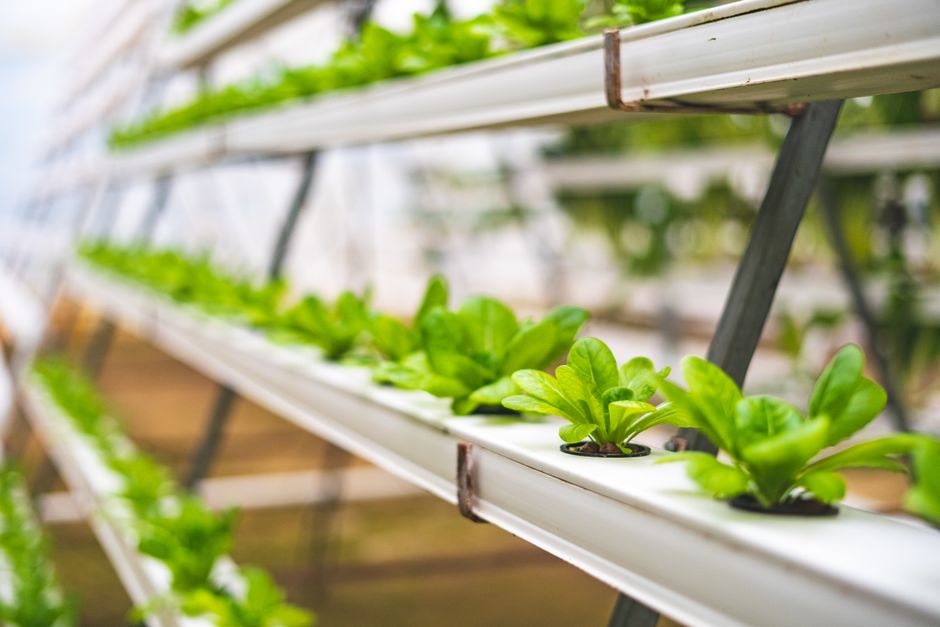
Ideal Hydroponic Water Temperature for Thriving Plants
When you're growing plants hydroponically indoors, it's easy to focus on nutrients and light. But there's a silent hero in your system that often gets overlooked: the water temperature. The ideal hydroponic water temperature is crucial because it directly impacts your plants' roots, affecting their ability to absorb nutrients and grow strong.
Keeping your reservoir water at the right temperature ensures your plants get everything they need, from oxygen to essential minerals. Let's explore why this simple factor is so important for a thriving indoor garden.
What is the Ideal Hydroponic Water Temperature Range?
The ideal hydroponic water temperature for most plants falls within a range of about 65 to 72 degrees Fahrenheit (18 to 22 degrees Celsius). This range provides the perfect balance for healthy root function, nutrient uptake, and sufficient oxygen levels in your water.
While this is a general guideline, some plants might prefer slightly cooler or warmer conditions. For example, cooler season leafy greens like lettuce often do well at the lower end of this range, while some fruiting plants might tolerate temperatures a bit higher. Always research the specific temperature preferences for the crops you are growing to fine-tune your setup. Consistency within the chosen range is more important than hitting an exact single number.
Why is Water Temperature So Important for Hydroponic Plants?
Water temperature plays a critical role in hydroponic plant health because it affects dissolved oxygen levels, nutrient availability, and the risk of harmful pathogens. Roots need adequate oxygen to breathe and function properly, and this oxygen is less available in warmer water.
When water temperatures are too warm or too cold, your plants can suffer from nutrient deficiencies, stunted growth, and increased susceptibility to diseases. Think of your roots like lungs; they need to take in oxygen to process nutrients and pump them up to the rest of the plant. If the water is too warm, there isn't enough oxygen for them to breathe effectively.
How Cold Water Affects Your Plants
Water that is too cold can slow down your plants' metabolism and nutrient uptake. When the water in your hydroponic system drops below the ideal range, roots become less active. This means they struggle to absorb essential nutrients, even if those nutrients are plentiful in the solution.
You might notice slower growth, pale leaves, or a general lack of vigor in your plants if the water is consistently too cold. While cold water holds more dissolved oxygen, the roots' reduced activity means they can't effectively use it, leading to a kind of dormant state for your plants.
The Dangers of Warm Water in Hydroponics
Warm water is a much more common problem for indoor growers and poses several significant threats to your hydroponic system. As water temperature rises above the ideal range, its ability to hold dissolved oxygen decreases significantly. This lack of oxygen suffocates plant roots, leading to stress and eventually root death.
Warm, oxygen-depleted water also creates an ideal breeding ground for harmful anaerobic bacteria and fungi. These pathogens can quickly cause root rot, a devastating condition where roots turn brown, slimy, and eventually die. Signs of root rot include wilting, discolored leaves, and a foul smell from your reservoir. Preventing root rot is a major reason to keep your water cool.
How Can You Measure and Monitor Your Water Temperature?
Measuring and monitoring your water temperature is straightforward and essential for maintaining a healthy hydroponic garden. You will need a reliable thermometer specifically designed for liquids or hydroponic systems.
Digital thermometers with probes are often the most accurate and convenient option, as they can provide continuous readings. Simply place the probe into your reservoir water, ensuring the display is easy to read. Check the temperature daily, or even several times a day if you are troubleshooting an issue or experiencing significant environmental fluctuations. Always keep electrical equipment like thermometers and pumps away from water spills to ensure your safety and the longevity of your gear.
Easy Ways to Maintain Ideal Water Temperature in Your Hydroponic System
Maintaining a stable water temperature requires a few proactive steps, especially for home growers. Small adjustments can make a big difference in the health of your plants.
- Insulate Your Reservoir: Wrap your reservoir with reflective insulation, Mylar, or even a thick blanket to help stabilize temperatures. This prevents external heat or cold from impacting the water too quickly.
- Elevate Your Reservoir: If your reservoir is sitting directly on a cold floor, elevate it slightly to reduce heat transfer. Conversely, if your grow space is warm, ensuring air circulation around the reservoir can help dissipate heat.
- Adjust Room Temperature: The ambient temperature of your grow room will directly influence your water temperature. If your grow space is too warm, consider lowering the room's thermostat or using a fan to increase air circulation.
- Water Chillers/Heaters: For more precise control, especially in larger systems or fluctuating environments, consider investing in a hydroponic water chiller or heater. Chillers actively cool the water, while heaters warm it up, maintaining a set temperature automatically.
- Aeration: While not directly a temperature control, good aeration (using an air pump and air stone) helps introduce dissolved oxygen into the water. This can somewhat mitigate the negative effects of slightly warmer water and is crucial for any hydroponic system.
- Regular Water Changes: Fresh, cooler water introduced during regular water changes can also help manage temperature fluctuations and replenish dissolved oxygen.
By implementing one or more of these strategies, you can prevent extreme temperature swings and provide a consistent, healthy environment for your plant roots. Even simple steps like insulation can make a noticeable difference in smaller setups.
Final Thoughts
Understanding and managing your hydroponic water temperature is a foundational skill for any successful indoor grower. By keeping your reservoir within the ideal range, you are actively preventing issues like root rot and nutrient deficiencies, leading to stronger, more productive plants. Pay attention to this often-overlooked factor, and your indoor garden will thank you with lush growth and abundant harvests. Explore more MicroVeg guides to perfect every aspect of your indoor growing journey.
Frequently Asked Questions
What happens if hydroponic water is too warm?
If hydroponic water is too warm, dissolved oxygen levels drop significantly, suffocating plant roots and creating an ideal environment for harmful bacteria and root rot.
Can cold water hurt hydroponic plants?
Yes, water that is too cold can slow down plant metabolism and nutrient uptake, leading to stunted growth and less vigorous plants, even if nutrients are available.
How often should I check my hydroponic water temperature?
You should check your hydroponic water temperature daily, or even more frequently if you are experiencing environmental fluctuations or troubleshooting plant health issues.
Do all hydroponic plants prefer the same water temperature?
Most hydroponic plants thrive between 65-72°F (18-22°C), but some specific plants, like cooler-season greens, may prefer the lower end, while others might tolerate slightly warmer conditions.
Explore More Hydroponics Guides
 Hydroponics
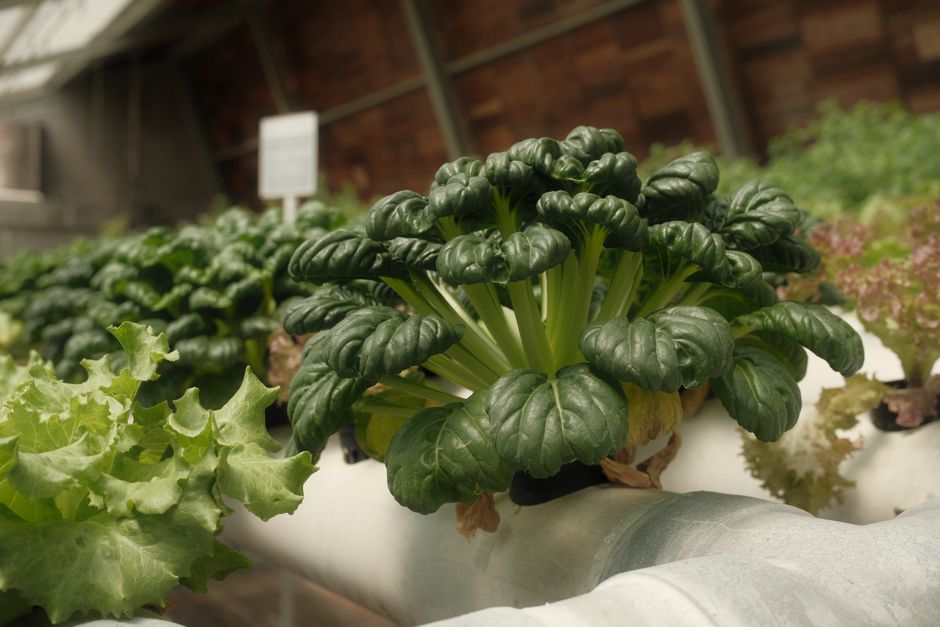
What to Grow in Hydroponics for Beginners
Starting your hydroponic journey? Learn which plants are easiest, fastest, and most rewarding for beginners to grow at home.
 Hydroponics
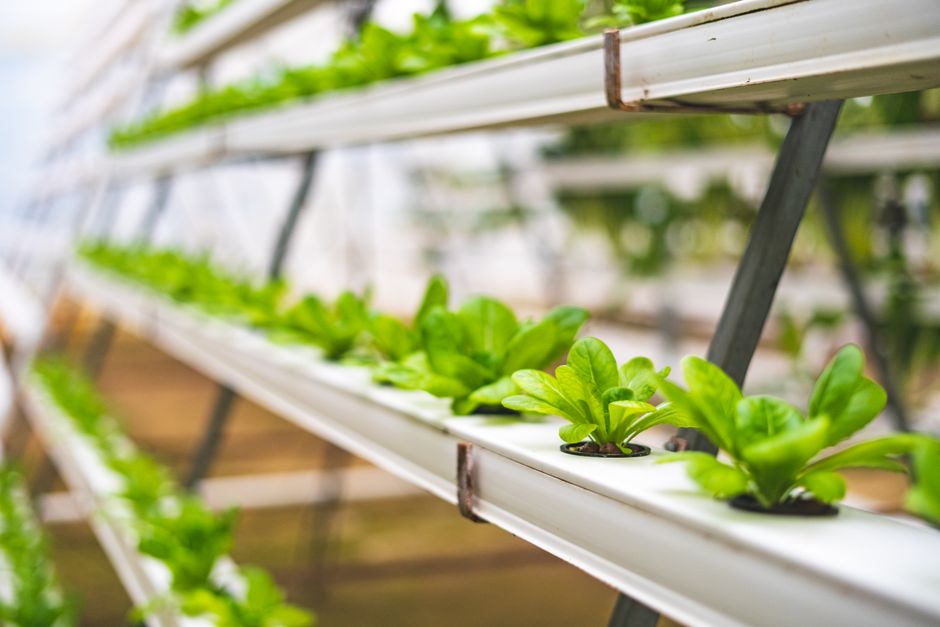
Mixing Hydroponic Nutrients: Your Guide to Happy Plants
Discover how to properly mix hydroponic nutrients to feed your indoor plants for optimal growth and abundant harvests.
 Hydroponics
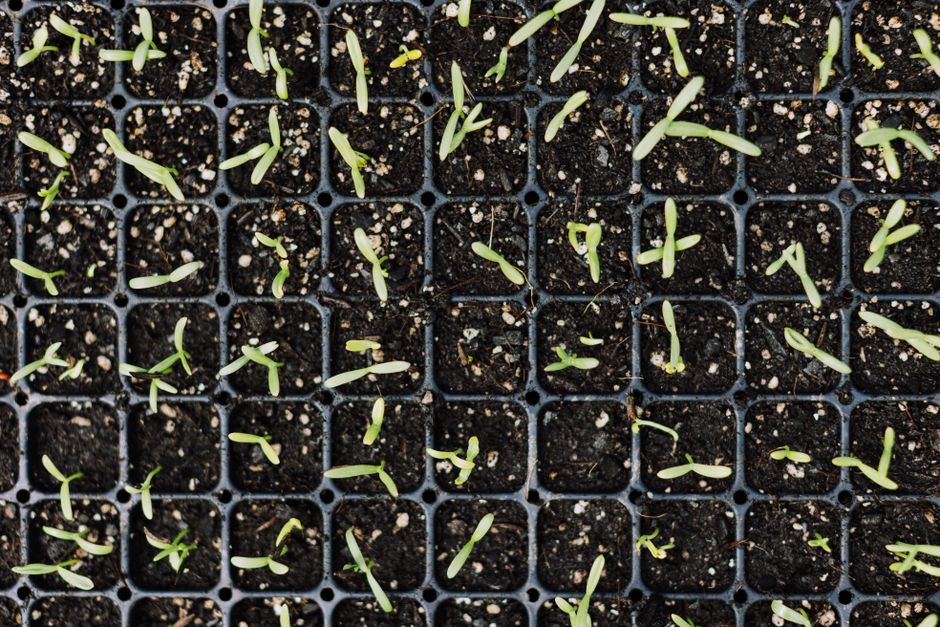
How to Start Seeds for Hydroponics: A Beginner's Guide
Discover the easy way to start seeds for your indoor hydroponic garden and enjoy fresh produce year-round.