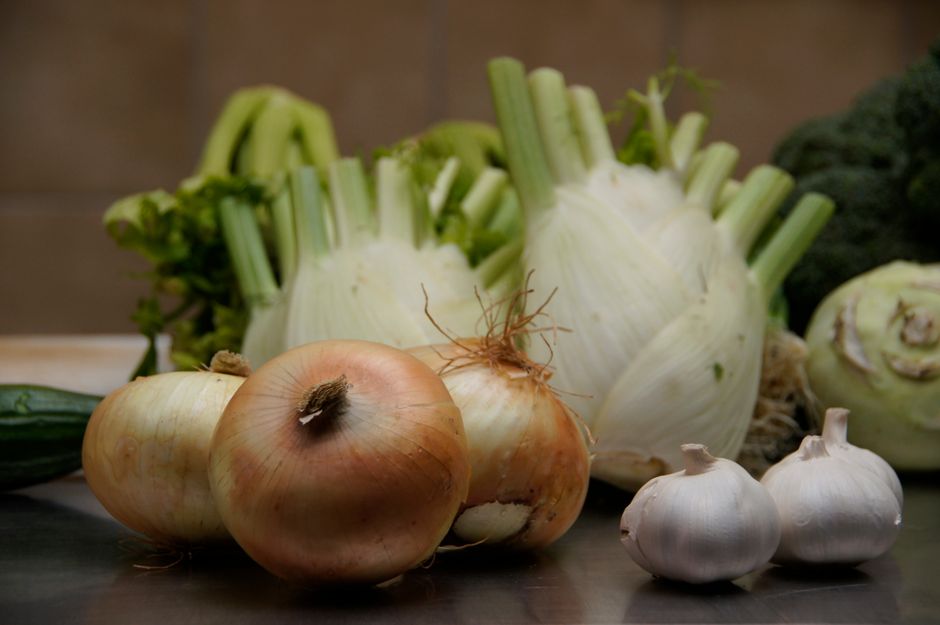
Cold-Tolerant Vegetables: Enhance Flavor, Extend Harvest
Most home gardeners associate cooler weather with the end of their harvest, but some plants actually thrive and taste better when exposed to a chill. These cold-tolerant vegetables develop sweeter, more complex flavors as temperatures drop, making them a secret weapon for extending your growing season, even indoors. You don't need a sprawling outdoor garden to experience this phenomenon. With smart indoor growing techniques, you can encourage these delicious changes right in your kitchen or on your balcony.
Why Do Some Vegetables Taste Better After Cold Exposure?
Certain vegetables develop enhanced flavors, often becoming sweeter, when they experience cooler temperatures because the plants respond by converting starches into sugars. This natural process acts as a kind of internal antifreeze, helping the plant protect its cells from freezing damage. These accumulated sugars change the vegetable's taste, giving it a milder, sweeter, and sometimes less bitter profile.
Beyond sugar conversion, some plants also produce more aromatic compounds under stress, contributing to a richer flavor. It's a survival mechanism that, for us home growers, results in a more delicious harvest. Think of it as nature's way of perfecting your produce.
For indoor and balcony gardeners, understanding this natural response means you can strategically manage your growing environment. You can achieve similar flavor benefits without waiting for a true outdoor frost. It's about giving your plants just the right amount of chill.
How Can Indoor Growers Mimic Cold Conditions Safely?
Indoor growers can mimic the beneficial effects of cooler temperatures by strategically managing their growing environment, especially by lowering ambient temperatures around their plants. While you won't experience a 'frost' indoors, a period of cooler air can encourage flavor development in many cold-tolerant vegetables.
For plants grown on a balcony or patio, the easiest way to achieve this is to leave them out during periods of light, non-freezing cold weather. Pay close attention to local forecasts. When temperatures dip but stay above freezing, typically between 35-50°F (1-10°C), these plants can benefit. Bring them indoors or protect them with covers if a hard freeze is predicted.
Inside, consider placing containers or hydroponic systems in cooler parts of your home. A basement, a spare room with slightly lower thermostat settings, or a spot near a window (especially at night) can provide that beneficial temperature drop. Just ensure your plants still receive adequate light from your grow lights during their 'day' cycle. You might even adjust your thermostat a few degrees cooler for a week or two before harvest, if practical for your household.
Always ensure electrical timers and pumps are safely away from any potential water spills when adjusting your setup or moving plants to cooler areas. Water and electricity are a dangerous mix, so exercise caution.
Which Cold-Tolerant Vegetables Benefit Most from a Chill?
Many common garden vegetables, perfectly suited for indoor or balcony growing, significantly improve in flavor after a period of cool temperatures. These cool-season crops are often already favorites for small-space gardening.
- Kale: This leafy green is incredibly adaptable for hydroponic systems and containers. Cooler temperatures make its leaves less bitter and sweeter. Harvest outer leaves regularly to encourage new growth, especially after a cool spell.
- Collard Greens: Similar to kale, collards become much milder and sweeter when exposed to a chill. They thrive in deep containers or larger hydroponic setups. Dwarf varieties are best for indoor spaces.
- Spinach: A staple for any indoor garden, spinach quickly develops a sweeter, richer taste in cooler conditions. It's ideal for continuous harvesting as microgreens or mature leaves.
- Swiss Chard: Its vibrant stems and earthy leaves benefit immensely from a temperature drop. Like spinach, it's easy to grow in containers or hydroponics. The colors often intensify with cooler weather too.
- Brussels Sprouts: While they need more space and time, dwarf varieties of Brussels sprouts can be grown in large containers. The tiny "sprouts" become notably sweeter after a period of cool temperatures. Ensure they get plenty of light from your grow lights.
- Cabbage: Smaller, early varieties of cabbage are suitable for large containers. A cool environment makes the heads firmer and sweeter. Harvest when the heads feel dense and solid.
- Broccoli: Focus on compact or sprouting broccoli varieties for indoor growing. Cooler temperatures can enhance the sweetness of the florets. Ensure consistent moisture and nutrients.
- Leeks: These mild members of the onion family do well in deep containers. A cool period before harvest improves their flavor, making them sweeter and less pungent.
- Carrots: Shorter, rounder carrot varieties are perfect for deep containers filled with a loose, well-draining medium like coco coir. Cold exposure concentrates their sugars, making them wonderfully sweet.
- Turnips: Similar to carrots, small turnip varieties can be grown for both their greens and their roots in deep containers. Cooler temperatures sweeten their roots and tenderize their greens.
Special Considerations for Container and Hydroponic Root Crops
Root vegetables like carrots and turnips grown indoors or on a balcony require specific conditions to mimic outdoor benefits. For container growing, choose pots that are at least 8-12 inches deep to allow for proper root development. A growing medium that is light and loose, such as a coco coir and perlite mix, will help roots grow straight and prevent deformities.
In hydroponics, root vegetables can thrive in deep water culture (DWC) or specific media-based systems that provide adequate depth. Use inert media like clay pebbles or rockwool to support the plant, ensuring the nutrient solution is perfectly balanced. Maintaining slightly cooler nutrient solution temperatures, if feasible and within safe ranges for your plants, can also contribute to their flavor development.
Optimal Harvest Times for Enhanced Flavor
To maximize the flavor benefits, harvest your cold-tolerant vegetables after they have experienced a consistent period of cooler temperatures, typically for at least a week or two. For indoor plants, this means after you've provided that intentional chill in a cooler room or near a window.
There aren't strict rules, so your best tools are observation and taste testing. Look for healthy, vibrant growth. For leafy greens, the leaves should feel crisp. For root crops, ensure they've reached a good size. Snip a small piece or harvest a single plant to taste the difference. You'll quickly learn the ideal timing for your specific setup and varieties.
Avoid harvesting during extreme cold snaps if your plants are outdoors on a balcony, as this can cause damage. Instead, aim for that sweet spot of consistent cool, but not freezing, weather. For indoor setups, maintaining a consistent lower temperature is often easier to control.
Extending Your Indoor Cool-Season Harvest
Extending your harvest of cold-tolerant vegetables indoors is entirely possible with smart planning, allowing you to enjoy enhanced flavors for longer. The key strategies involve staggered planting and thoughtful management of your growing environment.
Consider staggered planting, where you sow seeds or start new plants every few weeks instead of all at once. This ensures a continuous supply of young plants ready to mature and benefit from cooler conditions.
Managing light is also crucial. Even in cooler temperatures, these plants still need sufficient light for photosynthesis. Ensure your grow lights provide the right intensity and duration for the specific vegetables you're growing, typically 12-16 hours per day. Some cool-season crops can tolerate slightly lower light levels, which can be beneficial in cooler, naturally dimmer indoor environments.
By proactively managing planting schedules and environmental factors, you can effectively create a micro-climate where these plants thrive and offer their best flavor, even as the seasons change outside.
Final Thoughts
Don't let the thought of chilly weather signal the end of your gardening. Embracing cold-tolerant vegetables means you can enjoy an extended harvest of uniquely flavorful produce, right from your indoor garden. Experiment with different varieties and observe how a bit of cool exposure enhances their taste. Keep growing, keep learning, and enjoy the delicious rewards of your smart indoor garden efforts!
Frequently Asked Questions
Can all vegetables benefit from cold exposure for flavor?
No, only certain cold-tolerant vegetables, typically cool-season crops, develop enhanced flavor and sweetness after experiencing cooler temperatures.
What is the ideal temperature range for enhancing vegetable flavor indoors?
For most cold-tolerant vegetables, a consistent temperature range between 35-50°F (1-10°C) for about a week or two can encourage flavor development.
Do I need a special grow light for cold-tolerant plants?
While specific "cold-weather" grow lights aren't necessary, ensure your plants receive adequate light intensity and duration from your regular LED grow lights even in cooler indoor areas.
How can I tell if a cold-tolerant vegetable is ready to harvest after a chill?
Look for vibrant, healthy growth, and taste a small sample. For leafy greens, leaves should feel crisp, and for root crops, they should have reached a good size.
Explore More Plant Care Guides
 Plant Care
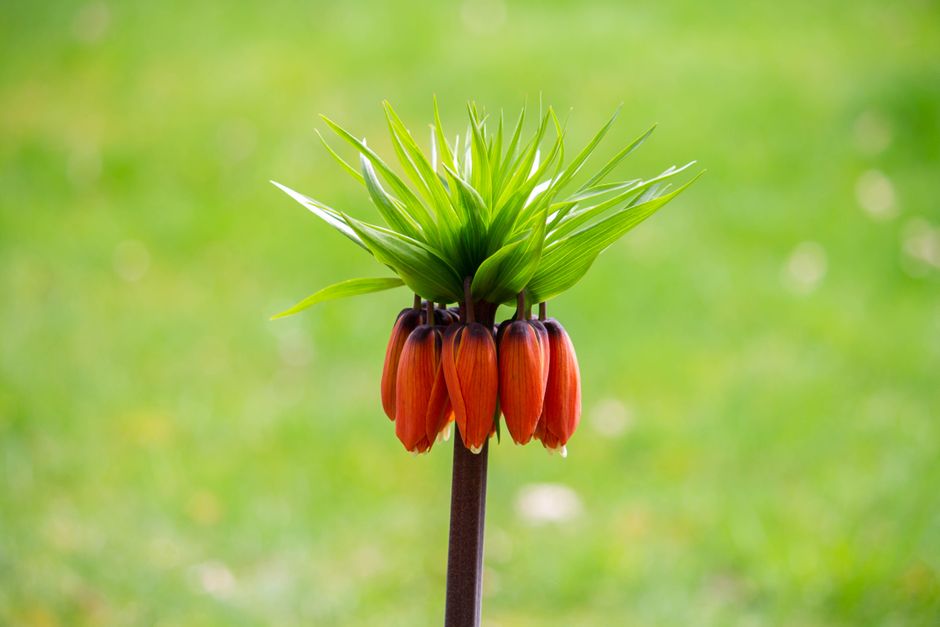
Crown Imperial Indoors: Can This Showstopper Thrive?
Learn if the magnificent Crown Imperial can truly thrive in your indoor container garden or on your balcony, and what challenges you might face.
 Plant Care
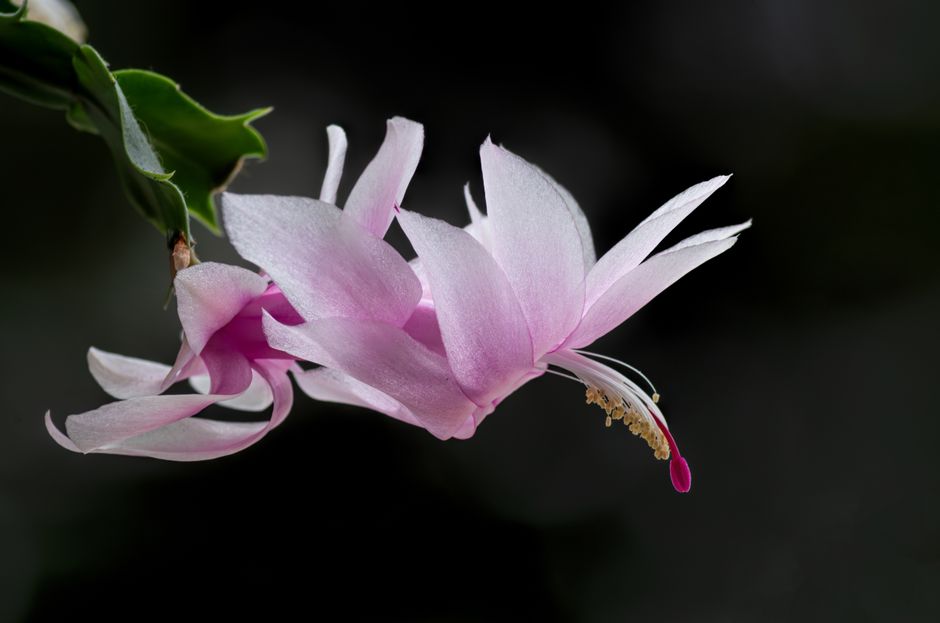
Christmas Cactus Bloom: 3 Secrets for Indoor Growers
Learn the simple, practical secrets to make your Christmas cactus bloom beautifully indoors, turning your home into a festive display.
 Plant Care
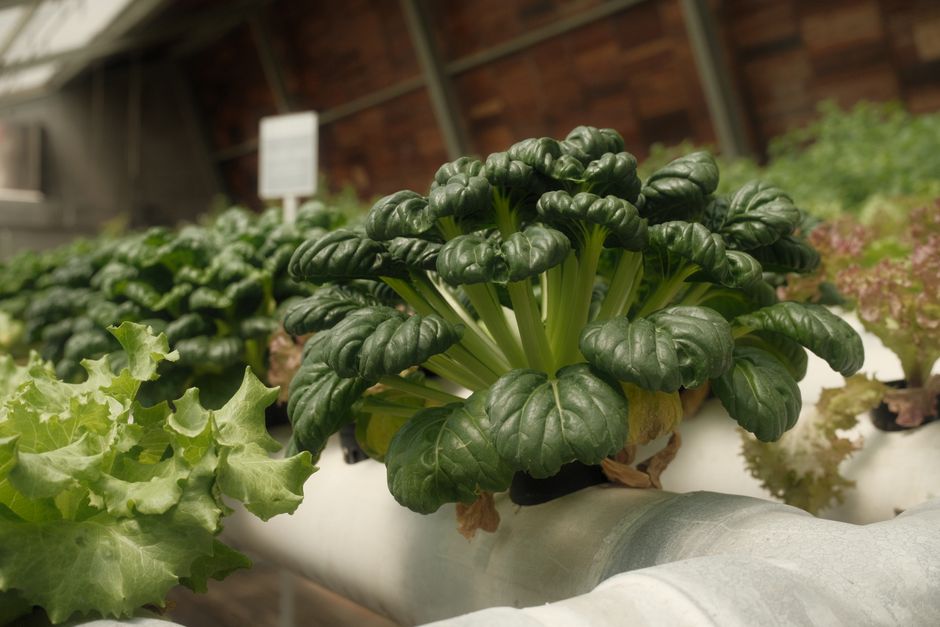
Prevent Algae in Hydroponics: Your Guide to Clean Systems
Discover simple, effective strategies to prevent algae in hydroponics and keep your indoor gardening system clean and your plants thriving.