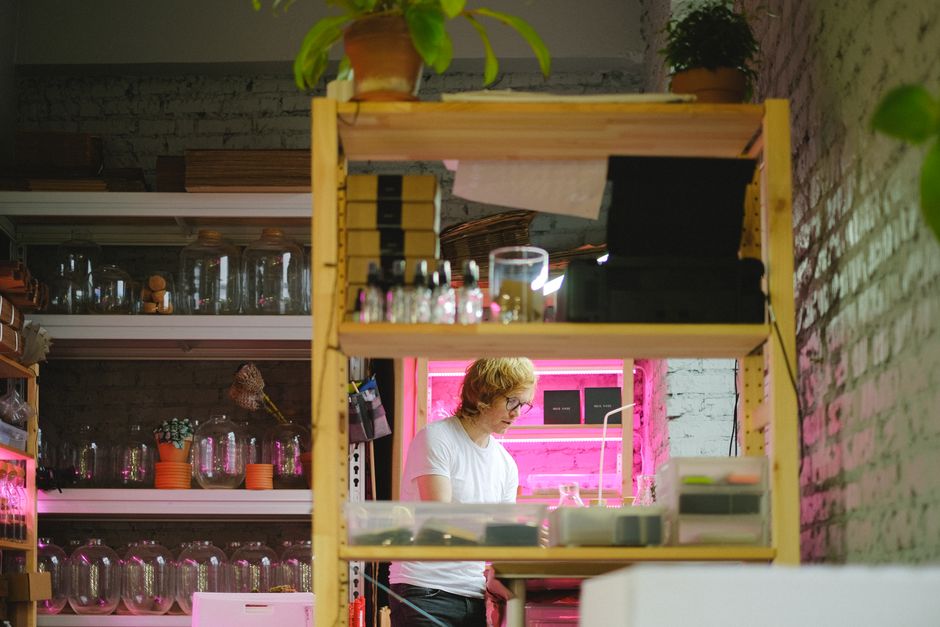
Build a DIY Indoor Grow Shelf: Easy & Budget-Friendly
Dreaming of fresh greens and herbs even if your space is tiny? A DIY indoor grow shelf is your answer to maximizing vertical space and bringing your garden indoors without breaking the bank. It's a custom-built, multi-tiered structure, often made from readily available materials, designed to hold plants and their essential grow lights in a compact footprint. This guide will walk you through creating your own, turning any corner of your home into a productive growing area.
Why Build a DIY Indoor Grow Shelf for Your Home?
Building your own indoor grow shelf offers incredible flexibility and cost savings compared to buying pre-made setups. You can tailor the shelf's size and design to fit your exact space, whether it's a tight apartment corner, a kitchen wall, or a utility closet. This DIY approach also allows you to choose materials that fit your budget, making indoor gardening accessible to everyone.
Having a dedicated grow shelf helps you organize your plants and lights efficiently. It creates a micro-environment where you can control light, temperature, and humidity more effectively. This setup is perfect for starting seedlings, growing microgreens, herbs, and even small fruiting plants year-round. It means fresh produce is always within reach, no matter the season or outdoor weather.
What Materials Do You Need for a Basic Grow Shelf?
A basic DIY indoor grow shelf requires a few key materials that are easy to find at most hardware stores or even around your home. The core components include shelving material, a frame, and grow lights. You'll also need some basic tools for assembly.
- Shelving Material: Opt for sturdy, moisture-resistant options like wire shelving, heavy-duty plastic shelves, or even reclaimed wood treated for moisture.
- Frame/Support: Consider inexpensive metal shelving units (like those for garages) as a ready-made frame, or build a custom frame using PVC pipes, lumber, or even sturdy crates.
- Grow Lights: LED grow lights are energy-efficient and ideal for small spaces. Choose full-spectrum options for healthy plant growth.
- Hardware: Zip ties, S-hooks, or small chains for hanging lights. Screws, bolts, or strong adhesive for assembly, depending on your frame material.
- Tools: Measuring tape, saw (if cutting materials), drill, screwdriver, safety glasses, and gloves.
- Optional: Reflective material (mylar or white paint) for walls to maximize light, a timer for lights, and small fans for air circulation.
Choosing Your Grow Lights
Selecting the right grow lights is crucial for your indoor grow shelf to succeed. LED grow lights are highly recommended because they are energy efficient, produce minimal heat, and come in various sizes suitable for compact setups. Look for full-spectrum lights, which mimic natural sunlight and support all stages of plant growth, from seedling to harvest.
When picking lights, consider the size of your shelves. You'll want lights that cover most of your growing area on each tier. Many strip lights or small panel lights work well for shelves. For a deeper dive into choosing the best options, check out our guide on Best Grow Lights for Small Spaces.
How Do You Assemble Your DIY Grow Shelf?
Assembling your DIY grow shelf is a straightforward process, especially if you start with a pre-made shelving unit. The key is to ensure stability and proper spacing for your plants and lights. Always work in a well-ventilated area and take appropriate safety precautions, like wearing eye protection when cutting or drilling.
Here are the general steps for assembly:
- Plan Your Layout: Measure your chosen space and decide on the number of shelves and the desired height between them. Remember to account for plant growth and light fixture depth.
- Build or Assemble the Frame: If using a pre-made metal or plastic shelving unit, follow the manufacturer's instructions to assemble the frame. If building from scratch with PVC or wood, cut your materials to size and secure them to create a stable, multi-tiered structure. Ensure all connections are tight and the shelf is level.
- Install the Shelves: Place your chosen shelving material onto the frame. If using wire shelving, clip it into place. For wooden shelves, secure them with screws or brackets. Make sure each shelf can hold the weight of your plants, growing medium, and water without bowing.
- Mount Your Grow Lights: Attach your grow lights to the underside of each shelf using zip ties, S-hooks, or chains. This allows the light to shine down on the plants on the shelf below. Ensure the lights are securely fastened and can be adjusted up or down as your plants grow. Always ensure electrical components, like timers and grow lights, are safely away from water spills to prevent hazards.
How to Set Up Your Plants and Lights on the Shelf?
Once your DIY indoor grow shelf is built, arranging your plants and lights effectively will ensure they thrive. Proper placement of both plants and lights directly impacts their growth and health. Remember that different plants have different light requirements.
Place your plants on the shelves, leaving enough room for air circulation around each one. Position your grow lights so they are directly above your plants. The ideal distance between the light and the top of your plants depends on the light's intensity and the plant's needs. A good starting point is often 6-12 inches, but always check your light manufacturer's recommendations or observe your plants for signs of stress (scorching or stretching).
Consider using a timer for your lights to provide a consistent light cycle, typically 12-16 hours of light per day for most plants. This consistency is vital for healthy growth. If you're growing different types of plants with varying light needs, try to group similar plants on the same shelf to optimize light exposure. For more ideas on what to grow, explore our guide on Grow Vegetables in a Small Apartment.
Tips for Maintaining Your Indoor Grow Shelf Garden
Maintaining your indoor grow shelf garden involves a few simple practices that will keep your plants healthy and your setup running smoothly. Regular attention to these details will prevent common issues and ensure a productive garden. Consistency is key to success.
- Watering and Feeding: Check your plants regularly for moisture needs. Water when the top inch of soil feels dry, or follow your hydroponic system's schedule. If using soil, feed with a balanced liquid nutrient solution according to the product's instructions.
- Monitor Light Distance: As plants grow, adjust your grow lights upward to maintain the optimal distance. Too close can burn leaves, too far can cause leggy growth.
- Air Circulation: Good airflow prevents mold and strengthens plant stems. If your space is enclosed, a small fan can help move air around your plants.
- Cleanliness: Keep your shelves and growing area clean. Remove any fallen leaves or debris promptly. Wipe down shelves regularly to prevent pest and disease buildup.
- Pest Checks: Inspect your plants weekly for any signs of pests. Catching issues early makes them much easier to manage.
Final Thoughts
Building a DIY indoor grow shelf is an empowering step toward year-round gardening, even in the smallest of spaces. With a little planning and effort, you can create a beautiful and productive growing area that provides fresh food and joy. Start small, learn as you go, and enjoy the fruits (and greens) of your labor. Ready to grow more? Explore our other MicroVeg guides for more indoor gardening tips and tricks!
Frequently Asked Questions
What kind of plants can I grow on a DIY indoor grow shelf?
You can grow a wide variety of plants like microgreens, herbs (basil, mint, cilantro), leafy greens (lettuce, spinach), and even small fruiting plants like strawberries or cherry tomatoes, depending on the shelf's size and light intensity.
How high should the shelves be spaced for plants?
Shelf spacing typically ranges from 12 to 24 inches to allow for plant growth and adequate room for grow lights. Consider the mature height of the plants you plan to grow when deciding on spacing.
Do I need a fan for my indoor grow shelf?
A small fan is highly recommended for an indoor grow shelf to improve air circulation, which helps prevent fungal diseases and strengthens plant stems. It's especially useful in enclosed or humid spaces.
Can I use regular household shelves for a grow shelf?
Yes, you can use regular household shelves, but ensure they are sturdy enough to support the weight of your plants and growing media. Wire shelving or industrial-style units often work well due to their durability and open design for light and air.
Explore More DIY Setups Guides
 DIY Setups
Build Your Vertical Indoor Garden: Small Space, Big Harvests
Learn how to create a vertical indoor garden and grow more fresh food in even the smallest spaces.
 DIY Setups
Kratky Hydroponics for Beginners: Easy No-Pump Setup
Discover Kratky hydroponics, a simple, passive method for growing fresh plants indoors without pumps or electricity, perfect for beginners.
 DIY Setups
Budget Grow Tent Alternatives: DIY Small Space Solutions
Explore smart, budget-friendly grow tent alternatives for your indoor plants, perfect for small spaces and home growers.