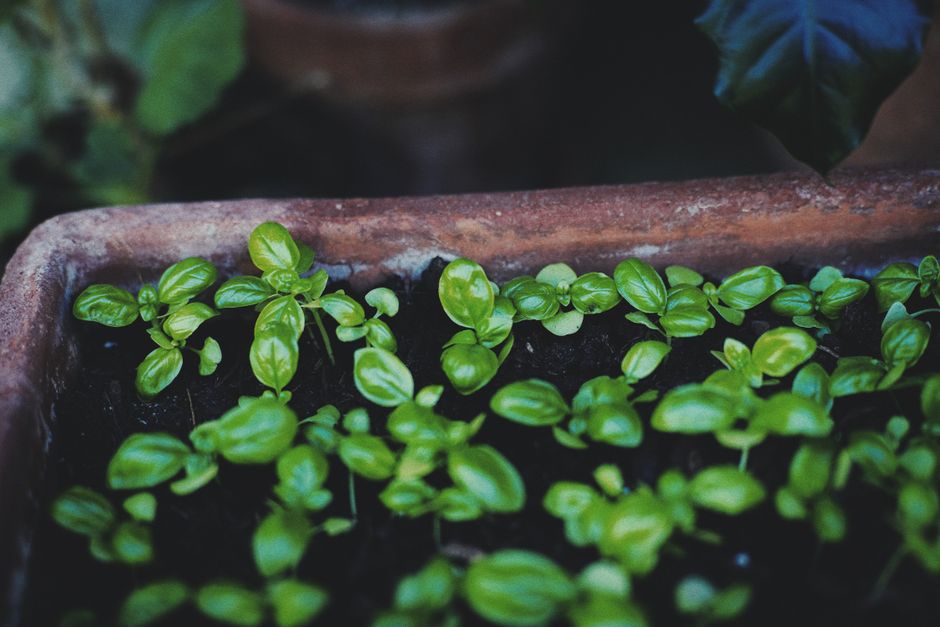
Best Grow Lights for Small Spaces: Your Compact Guide
Growing plants indoors, especially in tight spots like apartments, desks, or kitchen counters, brings a special kind of joy. But to truly thrive, your indoor plants need good light. Choosing the best grow lights for small spaces means finding units that fit your area, provide enough power for your plants, and don't break the bank or overheat your room. This guide will help you sort through the options and pick the perfect compact grow light for your home growing adventure.
Why Do Small Spaces Need Special Grow Lights?
Small spaces need special grow lights because traditional, large grow lights are often too big, too hot, or too powerful for confined areas. When you are gardening on a desk, a shelf, or a kitchen counter, you need a light that is compact, produces minimal heat, and fits seamlessly into your living environment without being an eyesore or a fire hazard.
The main challenges in small-space growing are limited vertical and horizontal room, proximity to people, and often a desire for quiet and low energy consumption. Regular grow lights designed for larger tents or commercial setups can overwhelm a small area with intense light, excessive heat, and sometimes fan noise. They might also draw too much power for a simple home setup. Compact grow lights are designed with these specific constraints in mind, offering efficiency and appropriate light levels in a smaller package.
What Features Should You Look For in Compact Grow Lights?
When selecting a grow light for a small space, you should look for features like a slim profile, low heat output, a full spectrum light, and adjustable intensity or height. These characteristics ensure your light fits well, keeps your plants healthy, and provides flexibility as your plants grow.
First, consider the physical size and form factor. Look for strip lights, small panels, or clip-on lights that can attach to shelves or desks. Second, heat output is crucial. Lights that generate a lot of heat can stress plants in enclosed spaces and raise room temperatures uncomfortably. Third, a full spectrum light is generally best for all stages of plant growth, from seedling to harvest. This means the light emits a balance of blue, red, and green wavelengths, mimicking natural sunlight.
Finally, adjustability can be a game-changer. Dimmable lights let you control intensity, which is useful for different plant stages or if you need to reduce brightness temporarily. Height adjustment is also important to maintain the ideal distance from your plants as they grow, preventing issues like leggy seedlings. (If you're noticing stretched-out stems, you might need to adjust your light. Learn more about why seedlings get leggy under grow lights.)
Understanding Grow Light Coverage for Small Areas
Grow light coverage refers to the area a light can effectively illuminate to support healthy plant growth, and it is especially important in small spaces to ensure even light distribution. You want to make sure the light spreads evenly over all your plants, without creating hot spots or dark corners.
For small setups like a single plant on a desk or a tray of microgreens, a narrow, focused light might be perfect. For a shelf of plants, a longer strip light or a small panel with good light spread would be better. Always check the manufacturer's recommended coverage area for the specific light you are considering. You want to avoid having the light intensity drop off sharply at the edges of your growing area, as this can lead to uneven growth.
Are LED Grow Lights Best for Apartments and Desks?
Yes, LED grow lights are generally the best choice for apartments and desks due to their energy efficiency, low heat production, long lifespan, and compact designs. They offer a powerful light source without the drawbacks of older lighting technologies.
LEDs consume significantly less electricity than fluorescent or incandescent bulbs, which saves you money on your energy bill. Their low heat output means you can place them closer to plants without fear of burning them, and they won't significantly warm up your living space. This also reduces the need for noisy cooling fans. Plus, LED lights often come in sleek, discreet designs that blend well into home decor, making them ideal for visible spots like kitchen counters or office desks. Always remember to keep electrical timers and pumps away from water spills to ensure safety in your indoor garden.
You can find LED grow lights in many forms suitable for small spaces:
- Strip Lights: Thin and long, perfect for shelves or under-cabinet mounting.
- Small Panels: Provide broader coverage for trays of microgreens or a few potted herbs.
- Clip-on Lights: Versatile and adjustable, great for single plants or temporary setups.
Many LED grow lights offer a "full spectrum" output, which means they provide the necessary wavelengths for all stages of plant growth. This versatility makes them excellent for beginners who might be growing different types of plants or starting seeds. Understanding how long to keep your LED grow lights on is also key to successful plant growth.
How Can You Find Budget-Friendly Grow Lights for Home Growing?
You can find budget-friendly grow lights for home growing by starting with smaller, simpler models, looking for sales, or even considering DIY options. There are many affordable choices that still deliver good performance for compact setups.
Don't feel pressured to buy the most expensive light right away. For microgreens or herbs, simple LED strip lights can be very effective and cost very little. You can often find these at hardware stores or online retailers. Keep an eye out for sales, especially around seasonal gardening times or major shopping events. Sometimes, buying a light that comes with a simple stand or timer can also be more cost-effective than buying components separately.
If you're handy, building a simple setup yourself can save money. While we have guides for more complex DIY projects, even a basic clamp light with an appropriate LED bulb can work for a single plant. The key is to match the light's power and size to what you're growing and the space you have available, rather than overspending on features you don't need.
Final Thoughts
Choosing the right grow light for your compact indoor garden is a crucial step towards successful home growing. By focusing on size, heat output, and light spectrum, you can find the best grow lights for small spaces that fit your lifestyle and help your plants thrive. With a little research, you'll be enjoying fresh greens and herbs from your own compact setup in no time. Explore more MicroVeg guides for tips on making your indoor garden flourish!
Frequently Asked Questions
What type of plants can I grow with compact grow lights?
Compact grow lights are perfect for growing microgreens, herbs, lettuce, and small fruiting plants like dwarf tomatoes or peppers, especially in limited spaces.
How close should a compact grow light be to plants?
The ideal distance depends on the light's power and the plant's needs, but generally, compact LED grow lights can be positioned 6-12 inches above most plants without causing damage.
Do I need a timer for my small space grow light?
Yes, using a timer is highly recommended for any grow light setup. It ensures your plants get a consistent light schedule, which is vital for healthy growth and prevents you from forgetting to turn lights on or off.
Can I use multiple small grow lights instead of one large one?
Yes, using multiple smaller grow lights can be a great strategy for small or oddly shaped spaces. This allows for more flexible placement and targeted lighting for different plants.
Explore More Grow Lights Guides
 Grow Lights
LED Grow Light Specs: What Home Growers Need to Know
Understanding LED grow light specs helps you pick the right light for healthy plants and a thriving indoor garden.
 Grow Lights
Set Your LED Grow Light Schedule for Happy Plants
Discover how to set the perfect LED grow light schedule for your indoor plants, ensuring they get just the right amount of light to thrive.
 Grow Lights
Plants Struggling Under Grow Lights? Fix It Fast!
If your indoor plants are struggling under grow lights, learn how to identify common problems and get them thriving again with our expert guide.