Fix Indoor Plant Root Rot: Save Your Potted Greens
Seeing your beloved indoor plants struggle is never fun, especially when the problem is hidden below the soil. One of the most common and damaging issues for potted plants is indoor plant root rot. It happens when roots don't get enough oxygen, leading to decay and preventing your plant from absorbing water and nutrients. But don't worry. With a little know-how, you can spot the signs, fix the problem, and keep your indoor garden thriving. This guide will show you how.
What is Indoor Plant Root Rot? (And Why Does It Happen?)
Root rot is a common plant disease that causes roots to decay, ultimately leading to your plant's decline if not addressed. This condition isn't caused by a single bug or pathogen. Instead, it's usually a symptom of an unhealthy environment around your plant's roots, most often too much moisture.
When soil stays wet for too long, the oxygen supply to the roots gets cut off. Roots need oxygen to breathe, just like we do. Without it, they start to suffocate and die. This soggy, airless environment also creates the perfect breeding ground for harmful fungi and bacteria. These tiny organisms attack the weakened roots, accelerating the decay process. That's why preventing root rot is all about managing moisture and ensuring good air circulation in the soil.
How Can You Spot Root Rot in Your Indoor Plants? (Symptoms to Watch For)
You can spot root rot by looking for changes in your plant's leaves, stems, and the overall health of the plant, as well as by examining the roots themselves. Since the problem starts underground, early detection can be tricky. However, your plant will give you clues above the soil.
Above-ground symptoms often mimic other issues like underwatering, which can be confusing. You might see yellowing leaves, wilting, stunted growth, or leaves dropping off suddenly. The plant may look generally unhealthy or simply stop growing. Sometimes, the stems might feel mushy at the soil line. These signs tell you something is wrong, even if they don't scream "root rot" specifically.
To confirm root rot, you need to look at the roots. Healthy roots are usually white or light-colored, firm, and may have a fresh, earthy smell. Roots suffering from root rot will look dark brown or black, feel mushy or slimy to the touch, and often smell foul, like rotten eggs or sewage. The darker the roots and the stronger the smell, the more advanced the root rot likely is.
Checking Your Plant's Roots
To inspect your plant's roots, gently remove the plant from its pot. You can do this by tipping the pot on its side, holding the plant by the base of its stem, and carefully sliding it out. Try not to pull on the stem too hard. Once the plant is out, shake off some of the excess soil so you can clearly see the root ball. Take a good look and a sniff. This direct inspection is the best way to diagnose indoor plant root rot definitively.
Step-by-Step: How to Fix Root Rot and Save Your Plant
The main steps to fix root rot involve carefully repotting your plant with fresh soil after trimming away the damaged roots and then adjusting its watering habits. Acting quickly can often save your plant, even if it looks pretty bad.
Here’s what you need to do:
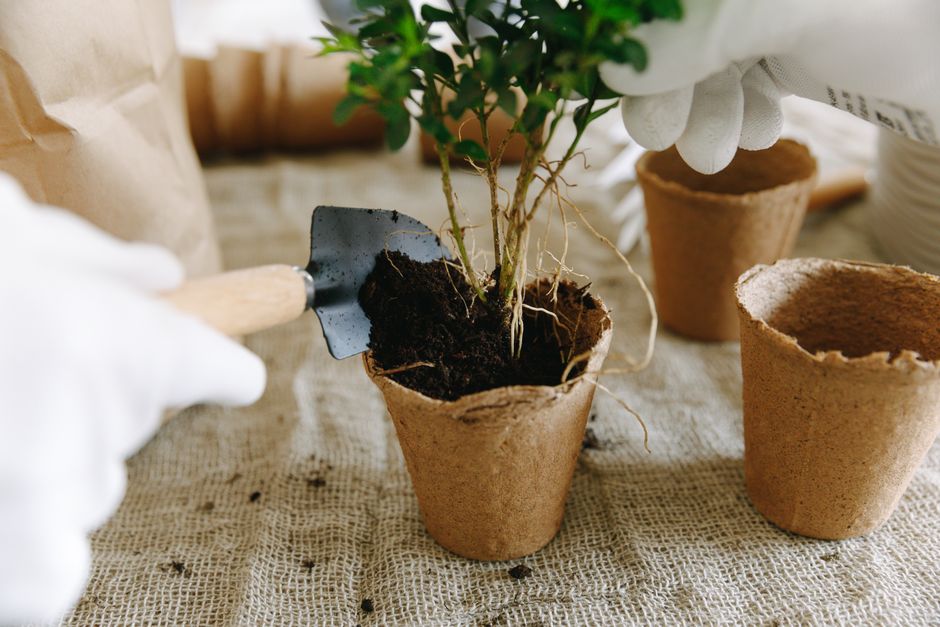
- Carefully Remove Your Plant: Gently take the plant out of its current pot. Try to keep the root ball as intact as possible while you do this.
- Rinse the Roots: Take your plant to a sink and gently rinse the soil from its roots under lukewarm water. This helps you see the roots clearly and washes away any remaining infected soil.
- Trim Affected Roots: Using clean, sharp scissors or pruners, cut away all the roots that look dark, mushy, or slimy. Make sure you cut back to healthy, firm, light-colored root tissue. It’s important to sterilize your tools with rubbing alcohol before and after this step to prevent spreading disease.
- Repot with Fresh Soil: Choose a new pot or thoroughly clean the old one with a bleach solution to kill any lingering pathogens. Then, repot your plant in fresh, well-draining potting mix. A good mix will have ingredients like perlite or coco coir to improve aeration. Choosing the best seed starting mix for indoor plants can make a big difference for root health. This is also a good time to consider if your current pot is too large, as a smaller pot might be better for a reduced root system.
- Water Sparingly: After repotting, give your plant a light watering. Do not soak the soil. Allow the top inch or two of soil to dry out completely before you water again. This encourages new, healthy root growth. Place your plant in a spot with good indirect light to help it recover. Remember to keep electrical timers and pumps away from water spills to prevent hazards.
How to Prevent Root Rot in Your Indoor Garden
Preventing root rot comes down to proper watering, ensuring good drainage, and using suitable potting materials. It’s much easier to prevent this issue than to fix it once it starts.
Here are key strategies to keep your plant roots happy:
- Master Your Watering Habits: Overwatering is the number one cause of root rot. Always check the soil moisture before watering. Stick your finger about two inches into the soil. If it feels wet, wait. Only water when the top layer of soil is dry. Adjust your watering frequency with the seasons, as plants need less water in cooler, darker months.
- Ensure Excellent Drainage: Your pots must have drainage holes. Water needs to escape the bottom of the pot. Never let your plant sit in standing water. If you use a decorative cachepot, make sure to empty any collected water from it within 30 minutes of watering.
- Use the Right Potting Mix: Heavy, dense soil holds too much water and doesn't allow for enough air circulation. Use a high-quality, airy potting mix designed for indoor plants, or amend your current mix with perlite, vermiculite, or coco coir to improve drainage. This creates a healthy environment where roots can breathe.
- Choose the Correct Pot Size: A pot that is too large for your plant can hold excess moisture, making it prone to root rot. When repotting, choose a pot that is only slightly larger than the root ball. If you had to trim away a lot of roots, you might even need to downsize the pot temporarily.
- Avoid Over-Fertilizing: Too much fertilizer can burn roots and make them more susceptible to disease. Follow the dosage instructions on your nutrient bottle carefully.
Final Thoughts
Dealing with indoor plant root rot can feel daunting, but with the right approach, you can often save your plant and enjoy a healthier indoor garden. Remember to pay close attention to your plant's signals, especially concerning watering. Healthy roots are the foundation of a happy plant. Explore more MicroVeg guides to keep your indoor plants thriving.
Frequently Asked Questions
Can root rot spread to other plants?
Yes, root rot can spread. The fungal pathogens causing root rot can travel through shared water or contaminated tools, so isolate affected plants and sanitize equipment.
How long does it take for a plant to recover from root rot?
Plant recovery time varies greatly depending on the severity of the root rot and the plant type. You might see new growth within a few weeks, but full recovery can take months.
Can I use hydrogen peroxide to treat root rot?
Some growers use diluted hydrogen peroxide to kill pathogens and add oxygen to the soil, but it must be used carefully to avoid harming healthy roots. Use it sparingly and follow dilution guidelines.
Should I water my plant after repotting for root rot?
After repotting a plant with root rot, give it only a very light watering. The goal is to encourage new root growth in slightly moist, not saturated, soil.
Explore More Plant Care Guides
 Plant Care
Pruning Chrysanthemums for Longer Indoor Blooms
Discover effective pruning techniques for chrysanthemums to ensure more vibrant and continuous blooms in your indoor garden.
 Plant Care
How to Grow Spinach Indoors: Fresh Leaves Year-Round
Learn how to grow fresh spinach indoors all year long, perfect for small spaces and a continuous harvest.
 Plant Care
Indoor Chrysanthemum Care: Avoid This Common Mistake
Bringing chrysanthemums indoors for fall decor is popular, but many home growers make a key mistake that causes these vibrant plants to quickly decline.