Fix Leggy Seedlings: Grow Strong, Stocky Indoor Plants
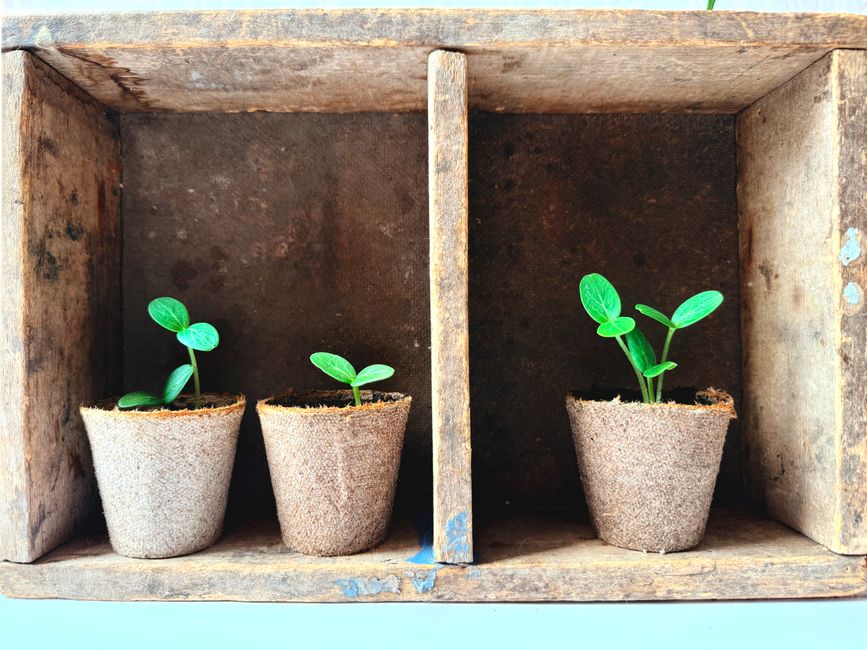
Starting seeds indoors is a rewarding step toward a bountiful harvest, but sometimes our tiny plant babies don't quite grow as expected. One common issue home growers face is leggy seedlings. Leggy seedlings are those that grow tall and stretched out with thin, weak stems, often struggling to support their own weight. This happens when young plants desperately reach for light, and it can significantly impact their future health and productivity. Don't worry, it's a fixable problem, and with a few simple adjustments, you can guide your seedlings toward strong, healthy growth.
What Are Leggy Seedlings and Why Do They Happen?
Leggy seedlings are characterized by unusually long, thin stems and small, pale leaves, occurring primarily because they are not receiving enough light intensity. This stretching phenomenon is a plant's desperate attempt to find a stronger light source, often resulting in weak, etiolated growth.
The main culprit behind legginess is insufficient light. Seedlings need bright, direct light for many hours a day to develop strong stems and vibrant leaves. A dim windowsill, indirect sunlight, or a grow light positioned too far away will cause them to stretch.
Other factors can contribute too. Overcrowding in seed trays means plants compete for the available light, leading to stretching. High temperatures combined with low light can also exacerbate the problem, encouraging rapid, weak growth. Lack of air circulation might also play a minor role, as gentle breezes encourage stronger stem development.
How to Fix Leggy Seedlings That Are Already Stretched
You can often save leggy seedlings by giving them more light, increasing air circulation, and carefully adjusting their planting depth. While you can't make a stretched stem shorter, you can help the plant grow stronger from that point forward and prevent further stretching.
Adjusting Light for Stretched Seedlings
The most immediate and effective way to help leggy seedlings is to increase their light exposure. Move your seedlings to a brighter location, ideally under a dedicated grow light.
- Lower Your Grow Light: If you're using an LED grow light, bring it closer to your seedlings. Check your light manufacturer's recommendations for seedling distance, but typically, this is much closer than you might think. Make sure to monitor your plants for any signs of stress, like bleached leaves, which can indicate too much light. You can learn more about adjusting LED grow lights for maximum growth.
- Increase Duration: Provide 14-16 hours of light per day for most seedlings. Use a timer to ensure consistency.
- Rotate Plants: If using a natural light source, rotate your trays daily to ensure all sides of the seedlings receive light, preventing them from leaning too heavily in one direction.
Remember to keep electrical timers and pumps away from water spills to prevent hazards in your indoor garden setup.
Potting Up and Burying Stems
For many types of plants, especially tomatoes, peppers, and most leafy greens, you can bury a portion of the stretched stem when potting them up. This encourages new roots to form along the buried stem, leading to a sturdier plant.
When you move your seedlings to a larger container, gently separate them and plant each one deeper than it was before, ensuring at least half of the stretched stem is covered with fresh, light seed-starting mix. This provides immediate stability and promotes stronger root development.
Improving Air Circulation
A gentle breeze encourages seedlings to develop thicker, stronger stems. You can achieve this by using a small oscillating fan on a low setting, positioned to gently move air around your seedlings for a few hours each day. The subtle movement helps condition the stems, making them more resilient.
Prevent Leggy Seedlings: Best Practices for Strong Growth
The best way to deal with leggy seedlings is to prevent them from stretching in the first place. By providing optimal conditions from day one, you'll grow robust, healthy plants.
- Provide Ample Light: This is the most crucial step. Use a high-quality grow light designed for seedlings. Position it at the correct distance according to the manufacturer's guidelines, often just a few inches above the plant tops. Ensure your LED grow light schedule provides adequate hours of light.
- Control Temperature: Keep your seedling area at a moderate temperature. Cooler temperatures (but not cold) can slow down growth slightly, preventing excessive stretching, especially when light might be less intense.
- Proper Spacing: Give your seedlings enough room to grow without competing for light. Thin them as needed, removing the weaker plants to give the stronger ones space.
- Gentle Airflow: Introduce a gentle fan from the beginning. Even a few hours a day of light air movement will help strengthen stems.
- Nutrient Management: While seedlings don't need heavy feeding initially, once true leaves appear, a very diluted, balanced liquid nutrient solution can support healthy growth. Follow the dosage on your nutrient bottle carefully, as too much fertilizer can sometimes promote rapid, weak growth.
Choosing the Right Grow Light to Avoid Legginess
Selecting and using the correct grow light is paramount to preventing leggy seedlings. Not all lights are created equal, and understanding your options will make a significant difference.
Fluorescent T5 or T8 lights were traditionally popular for seedlings, offering good light intensity without too much heat. However, modern LED grow lights are often a more energy-efficient and versatile choice for home growers, providing a full spectrum of light that benefits young plants.
When choosing an LED grow light, look for models specifically designed for seedlings or full-cycle growth. Pay attention to the light's intensity and coverage area. Position the light so it provides even coverage over your entire seedling tray, and always keep it at the recommended distance from the plant tops. Remember to check for signs of overlighting if your light is very powerful and close.
Other Tips for Robust Seedling Development
Beyond light, a few other practices can contribute to healthy, stocky seedlings that resist legginess. These elements work together to create an optimal growing environment.
Use a good quality, fine-textured seed-starting mix. This provides the ideal structure for tiny roots to establish without becoming waterlogged. Ensure your seed trays or pots have drainage holes to prevent soggy conditions.
Water your seedlings from the bottom whenever possible. This encourages roots to grow downwards in search of moisture, strengthens the plant, and avoids disturbing delicate young plants. Be careful not to overwater, as consistently wet soil can also weaken stems and lead to damping-off disease.
Consider 'potting up' your seedlings when they develop their first set of true leaves. This means moving them from their initial small cells into slightly larger containers, giving their roots more room to spread and stems more space to thicken before their final destination, whether that's an outdoor garden or a larger indoor hydroponic system.
Final Thoughts
Dealing with leggy seedlings can be frustrating, but with the right adjustments to light, air circulation, and care, you can help your plants recover and thrive. Focusing on prevention through proper lighting and environmental control will set your indoor garden up for success from the very first sprout. Keep experimenting and observing your plants, and soon you'll be growing strong, stocky seedlings like a pro. Explore more MicroVeg guides for your indoor growing journey!
Frequently Asked Questions
Can leggy seedlings fully recover?
Yes, leggy seedlings can often recover and develop into healthy plants, especially if you address the underlying issues like insufficient light and provide proper support and care early on.
What's the ideal temperature for seedlings?
Most seedlings prefer a moderate temperature, generally in the range where you are comfortable, which helps promote steady growth without encouraging excessive stretching.
How often should I water leggy seedlings?
Water leggy seedlings when the top inch of their growing medium feels dry to the touch, ensuring the soil is moist but not waterlogged to prevent further weakening of the stems.
Do leggy seedlings produce less harvest?
Leggy seedlings, due to their weak stems and underdeveloped root systems, often struggle to support heavy growth and may produce a smaller or less robust harvest compared to strong, stocky plants.
Explore More Plant Care Guides
 Plant Care
Crown Imperial Indoors: Can This Showstopper Thrive?
Learn if the magnificent Crown Imperial can truly thrive in your indoor container garden or on your balcony, and what challenges you might face.
 Plant Care
Christmas Cactus Bloom: 3 Secrets for Indoor Growers
Learn the simple, practical secrets to make your Christmas cactus bloom beautifully indoors, turning your home into a festive display.
 Plant Care
Prevent Algae in Hydroponics: Your Guide to Clean Systems
Discover simple, effective strategies to prevent algae in hydroponics and keep your indoor gardening system clean and your plants thriving.